
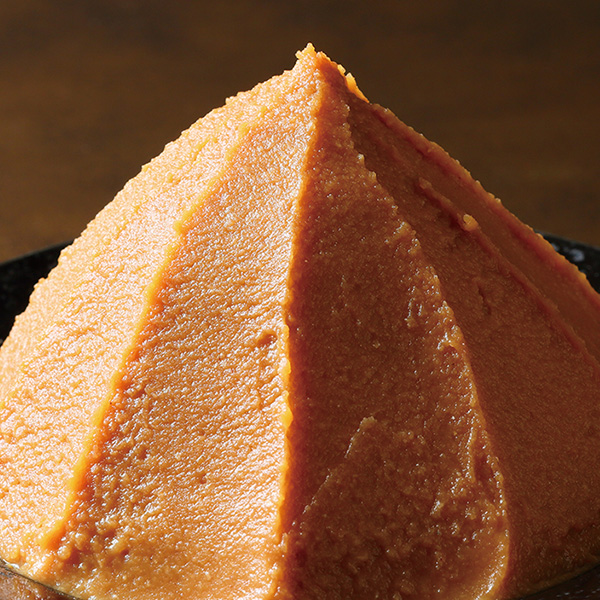
Miso
Miso is a traditional Japanese seasoning and health food that has been an integral ingredient in Japanese cooking for centuries. This thick, savory fermented soybean paste has protein, is rich in umami, and incredibly versatile.
Miso exemplifies the many health benefits of fermented foods, being rich with enzymes, vitamins, minerals, anti-oxidants, and essential amino acids. Traditional miso is fermented for long periods in large wooden casks, which provide an ideal environment for bacterial cultures to thrive. This serves not only to develop the aroma, flavor, and color, but also to impart the miso with its high nutritional value. During the fermentation process, the koji generates active enzymes, which aid digestion and support immune system health. Unpasteurized miso is thought to contain more of these beneficial enzymes than pasteurized miso.
-
Read more
Where did miso come from?
Japanese people have valued miso since ancient times, at first as a seasoning with excellent preservative qualities, and increasingly because of its intense, umami-rich taste, and appetizing aroma.
Miso is believed to have developed from a group of fermented foods which originated in China. It was introduced to Japan in the 7th century from either China or the Korean Peninsula. At first, it was a delicacy that was limited strictly to Imperial courtiers and Buddhist monks. But over time consumption of miso spread, and by the sixteenth century miso and miso soup were being enjoyed by the samurai class and by commoners. The increasing popularity of miso led to the development of various grades and types. In this way, miso, alongside shoyu, became integral to the development of Japanese cuisine.What is special about Mitoku’s miso?
The introduction of modern machinery has had a significant impact on miso production in Japan. Machinery was introduced to enhance efficiency and productivity in the miso manufacturing process, leading to increased production volumes and lower cost. Large manufacturers prospered, overwhelming smaller miso producers. As a result, small producers still using traditional methods inherited from previous generations have become a rarity.
Today, miso is well-established as a delicious and versatile superfood and its global popularity continues to increase. At Mitoku, we work closely with long-established producers in order to deliver high-grade miso full of the beneficial qualities which only come from traditional practices and long fermentation. Our miso range is organic and free from GMO and chemical additives. This commitment to authenticity is what makes our miso so different from mass market products, which are made in high volumes using artificial maturation processes and additives.How many varieties are there?
The process of making miso is seemingly very simple: soybeans, salt, and koji are mixed and left to ferment. In practice, however, there is rich variety in miso, created by changes in the length of fermentation and aging, the ingredients of the koji, the ratio of the ingredients, the quality of the water, and the climate in which the miso is made. In fact, there are believed to be more than 1,300 varieties in Japan today. Each variety of miso represents a unique blend of the five tastes, umami, saltiness, sweetness, sourness, and bitterness, harmonized together by the fermentation process.
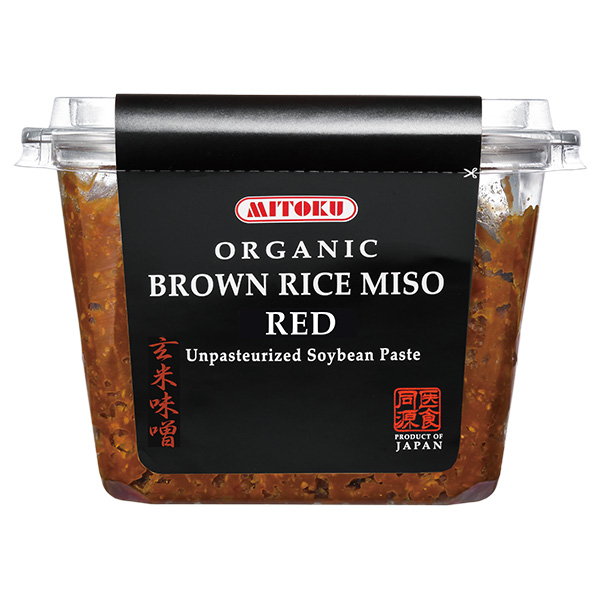
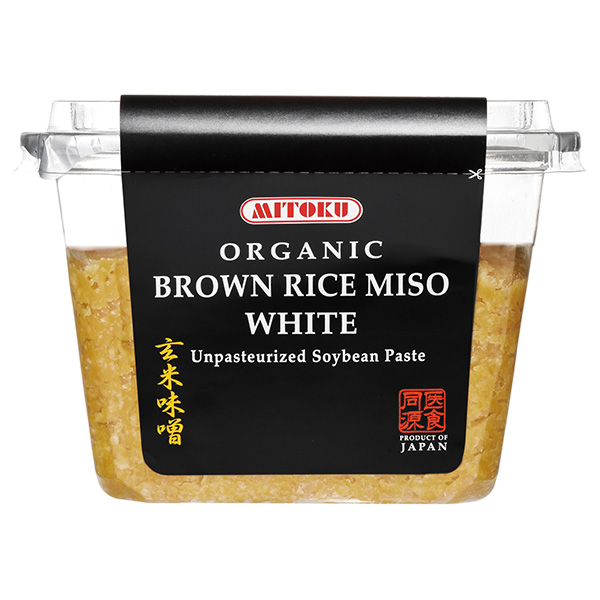
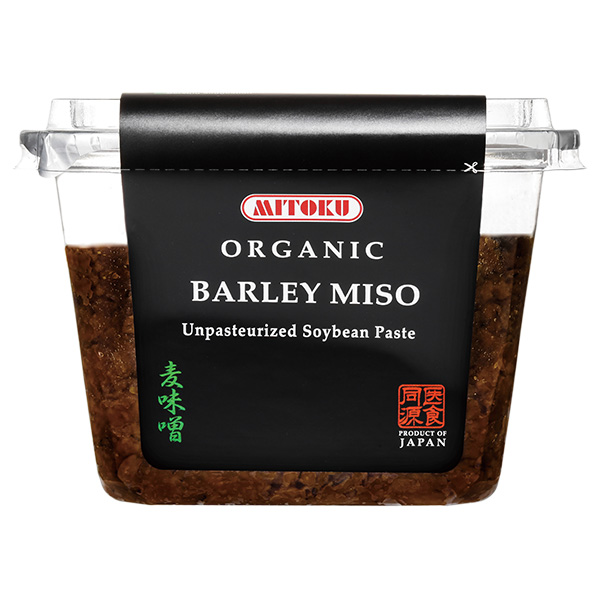
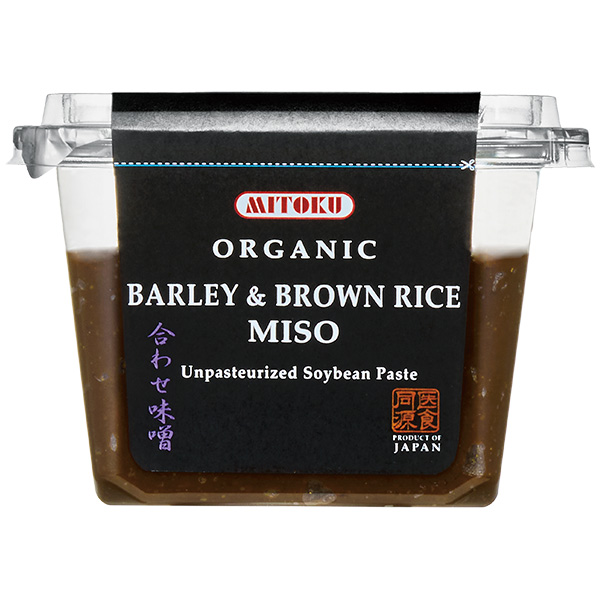
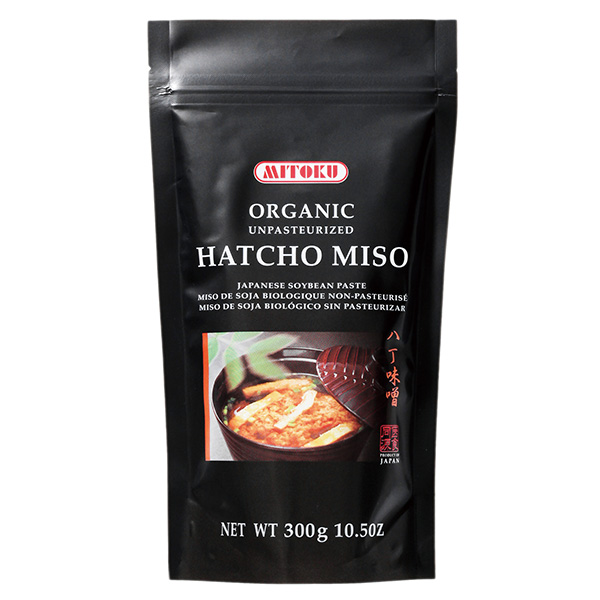
Miso varieties which are dark chocolate-brown or reddish-brown in color tend to be rich, deep, and hearty in flavor. Paler miso usually tastes sweet and creamy, although there are some saltier varieties. In general, miso can be divided into three main categories, according to the grain used to cultivate the koji: rice miso, barley miso, and soy miso.At Mitoku, we have an extensive selection including Hatcho Miso, which is aged for over two years and still made using a method almost unchanged since the fifteenth century. We also supply brown rice miso, barley miso, sweet white miso, instant miso soups and freeze-dried miso powder.
Traditional Miso
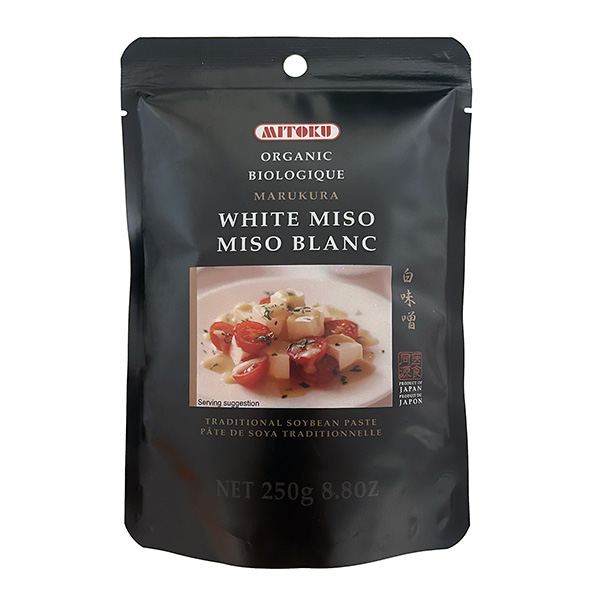
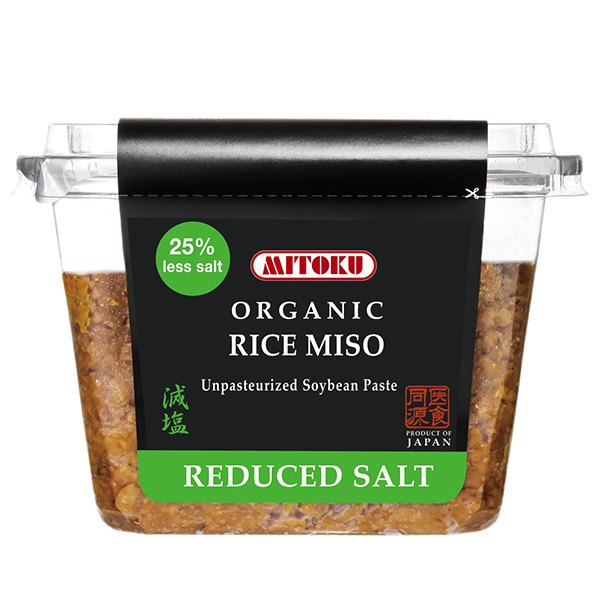
A main characteristic of our traditional miso is its complexity and richness of flavor derived from the fermentation that is fundamental to traditional production. This is what sets our miso apart from mass-produced, quick-fermented products.
Other Miso products
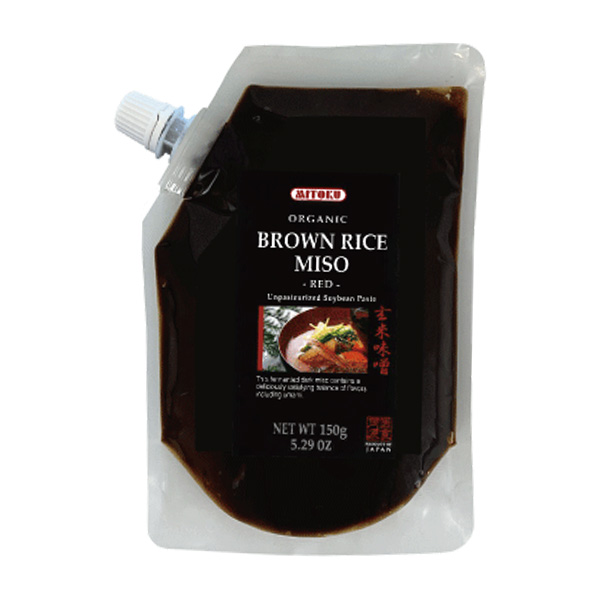
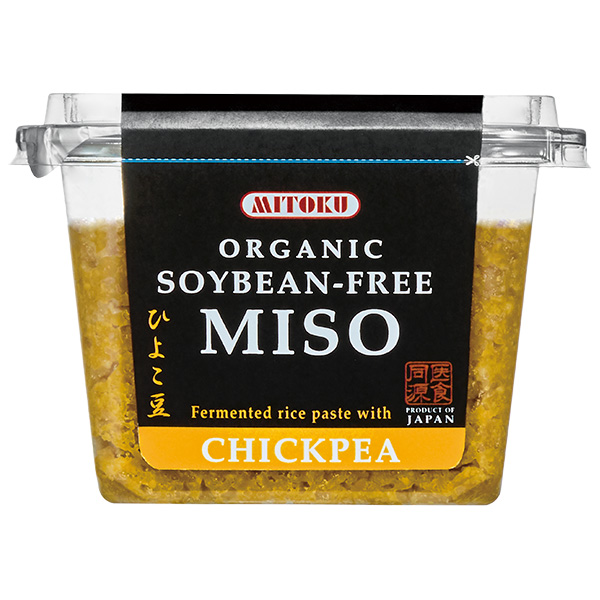
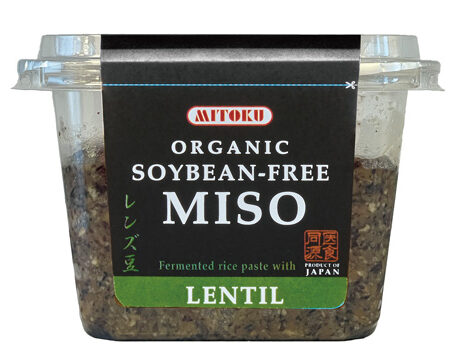
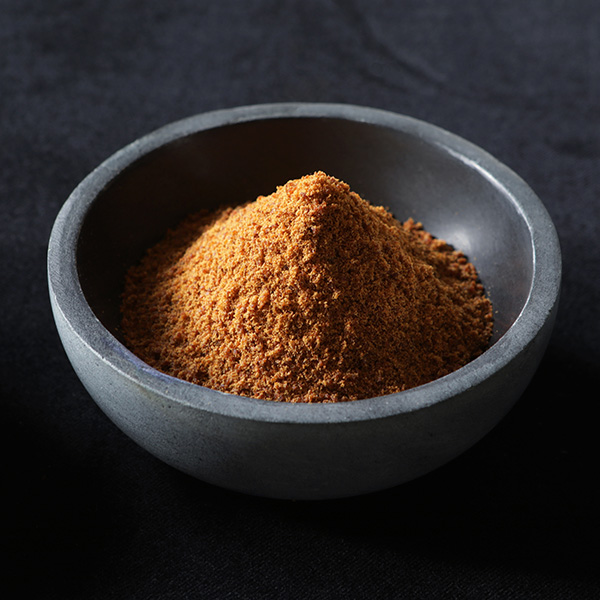
While respecting tradition, Mitoku seeks to innovate and adapt to changing times, and this is reflected in products such as our no soybean miso and freeze-dried versions.
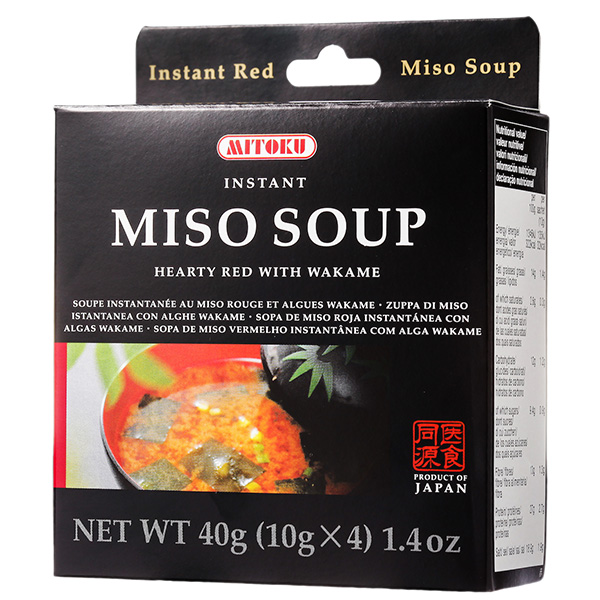
Instant Miso Soup
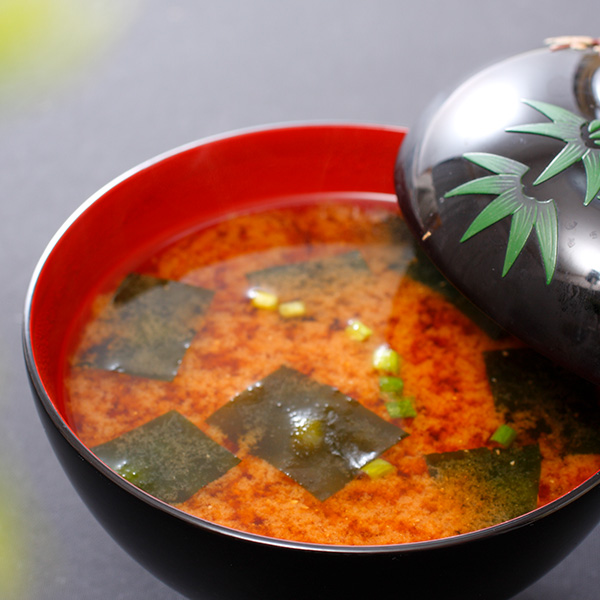
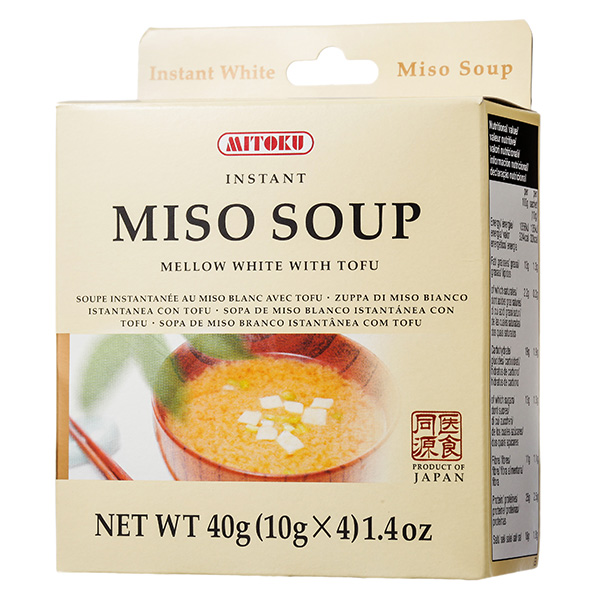
We believe that a regular intake of miso is good for your well-being. Mitoku offers a range of convenient miso products designed to help you get miso into your daily diet.
Soy Sauce
Shoyu, Japanese soy sauce, is Japan’s most quintessential seasoning. Not only does it have a rich flavor, well-rounded aroma, beautiful color, and a wonderfully appetizing fragrance, shoyu also has a superb balance of the five basic tastes: sweet, salty, sour, bitter, and umami.
-
Read more
In Japan, shoyu is the most quintessential of all seasonings. Its irresistible charm lies in its rich flavor, well-rounded aroma, and beautiful color. Shoyu has a superb balance of the five basic tastes – sweet, salty, sour, bitter, and umami – and gives off a wonderfully appetizing fragrance when heated. This is a truly magical seasoning, able to bring out the best of every ingredient. It is this quality that prompts the Japanese cook to reach for the shoyu whenever a dish is lacking in flavor.
What are the origins of soy sauce?
The origins of soy sauce can be traced back to China, where references to a soy sauce-like condiment were first recorded around 800 BCE. By the beginning of the seventh century, a similar condiment appeared in Japanese records. However, shoyu is very much a Japanese food. After its introduction from China, soy sauce underwent a long period of development, eventually becoming the shoyu we know today, a condiment used to enhance the flavor of other ingredients.The key period in this development was the Edo period (1603-1868). During this time, Edo (now Tokyo) grew dramatically, bringing with it great social change and new economic demands. This also prompted innovation: new varieties of shoyu were developed to meet the tastes of Edoites. Shoyu became an indispensable accompaniment to many of the dishes perfected during this period and which today are considered quintessentially Japanese, including tempura and sushi.
When did soy sauce become known overseas?
The Edo period also saw the first exports of shoyu to the rest of the world. Shoyu was shipped overseas on Dutch boats sailing from the Dejima trading post, bound for countries across Asia and Europe. One destination was the court of Louis XIV, who ruled France from 1643 to 1715. The Sun King and his courtiers were delighted with this exotic new ingredient, made in a far-off land and sweet, salty, and savory all at once.Exports of shoyu have continued to grow, especially as the reputation of Japanese cuisine as healthy and balanced has grown. Shoyu in particular has established itself as a versatile product with applications beyond Japanese cooking. Today, it is popular across the world with cooks working in a wide variety of different cuisines.
What kinds of soy sauce are there?
In Japan, soy sauce is divided into a number of categories, but most of the soy sauce available outside of Japan is either shoyu or tamari. The main difference between the two types is the ingredients used. Shoyu is made from soybeans, wheat, water, and salt, while tamari contains little to no wheat. Mitoku’s tamari is free from wheat and gluten. Our soy sauces are the finest quality available, manufactured by our artisan producers using traditional recipes passed down for generations and top quality non-GMO soybeans.
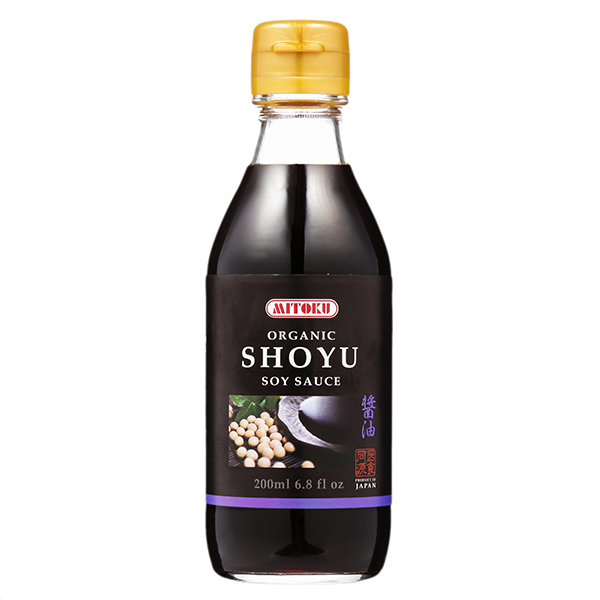
Shoyu Soy Sauce
Our soy sauces are the finest quality available, manufactured by our artisan producers using traditional recipes passed down for generations. Find out our Shoyu soy sauce and their salt-reduced versions.

Tamari Soy Sauce
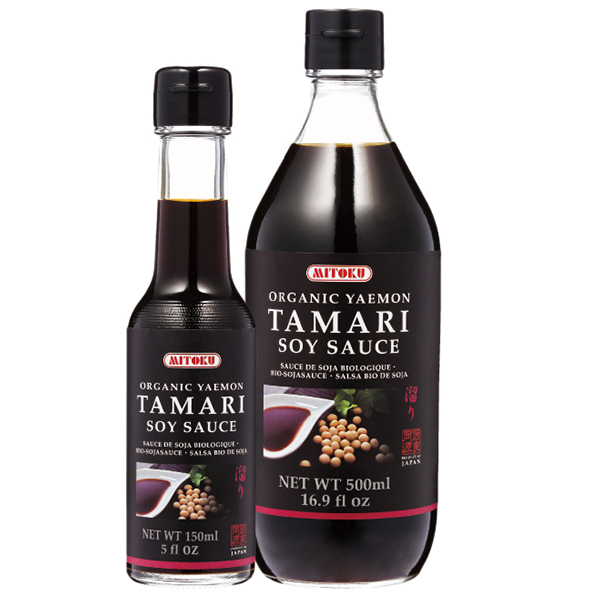
While regular soy sauce is made with a 50:50 ratio of soybeans to wheat, another variety of our Japanese soy sauce, called tamari, is made without wheat. Find out our artisan double concentrated, umami-rich tamari and less-salt variety.

Seasoning
Most quintessentially Japanese seasonings are fermented products, and they have their emphasis on umami, balance, and subtle enhancement to highlight the natural flavors of ingredients, rather than overpowering them as the following products.
Mirin
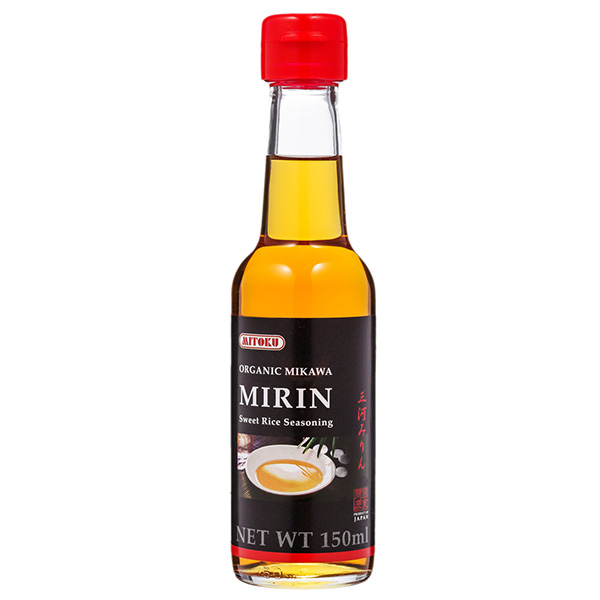
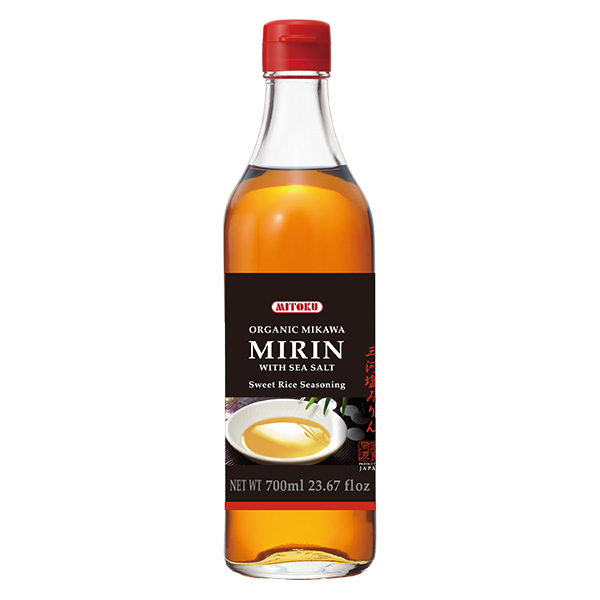
Mirin has been part of Japanese cuisine for centuries. It was first consumed as a drink, like sake. Later, it came to be used as a seasoning, on discovery that this sweet rice wine could enhance the flavor of sauces and cooked dishes. Today, mirin is essential to any Japanese chef, whether cooking everyday dishes or haute cuisine. Mitoku supplies Mikawa Mirin, Japan’s finest traditional mirin, made from just three ingredients: glutinous rice, rice koji, and distilled rice spirit. It is produced by the Sumiya family using labor-intensive fermentation methods rooted in tradition. The result is a superbly versatile mirin that is particularly suited to sauces and stir-fried dishes, and also works well as a sweetener.
-
Mikawa Mirin's Unrivalled Quality
More than one product is referred to as “mirin”, due to such factors as a historical shortage of rice. Broadly speaking there are three types of “mirin”. The first is mirin produced using traditional techniques, as exemplified by Mikawa Mirin. High-quality glutinous rice is used to make the mirin moromi (mash), which then undergoes a one year period of fermentation and maturation, during which time the starch turns slowly into sugar. The second is general mirin. Unlike traditionally produced mirin, the alcohol and water are added during a two to three month production period, and flavorings are added to round off the taste. Finally, there is a mirin-style condiment made by mixing chemical seasonings, liquid amino acids, and flavorings. This pale-colored seasoning is produced in just one day.

Vinegar
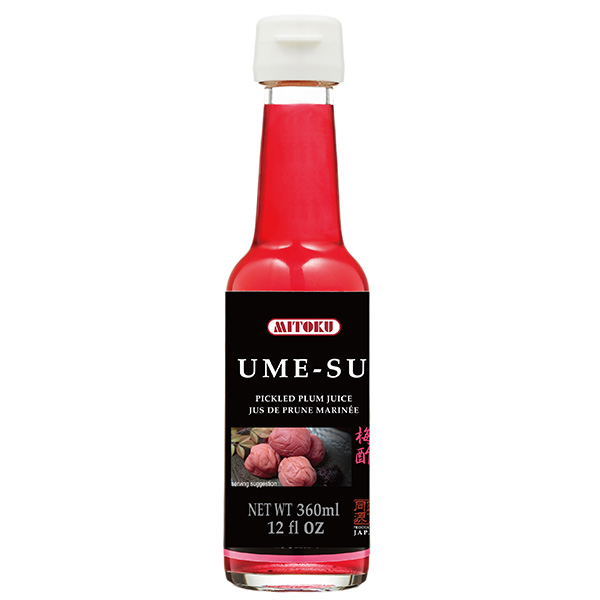
Our vinegars are all exquisite seasonings. Their quality comes from using brown rice and from traditional methods of slow fermentation. Our ume-su is delectably tangy juice from the process of Umeboshi making.
Spices
The secret element behind the complex taste of Japanese cuisine can be found in its use of unique spices. Japan has a wide array of fragrant and flavorsome spices that add unmistakable accent and depth, playing an important role in enhancing the country’s food culture.
Mitoku offers an extensive selection of the most popular organic Japanese spices, including wasabi, yuzu, Japanese chili peppers – each vibrant and highly aromatic, with its own characteristic flavor. Experience a new range of taste sensations with our organic spice range, introduced here.
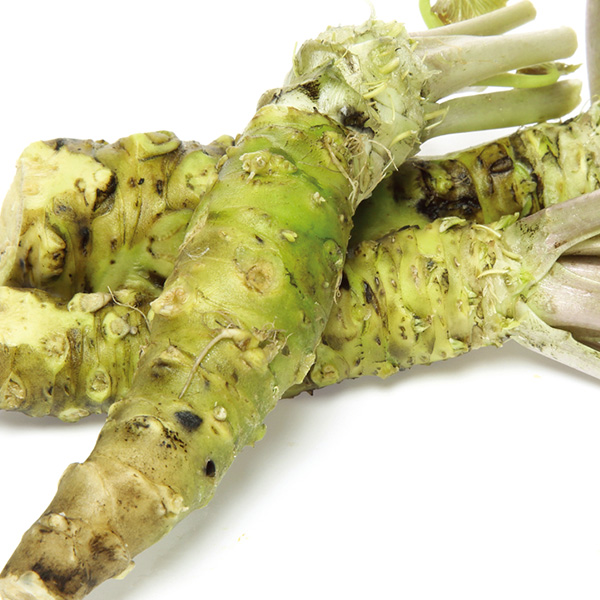
Wasabi
Wasabi is a pungent condiment made from the wasabi plant (wasabia japonica). It gives you a sharp and spicy sensation through sinuses, and it quickly dissipates without leaving a lingering burn like chili. Wasabi is indispensable for Japanese dishes such as Sushi. However, it is extremely versatile and complements any type of dishes.


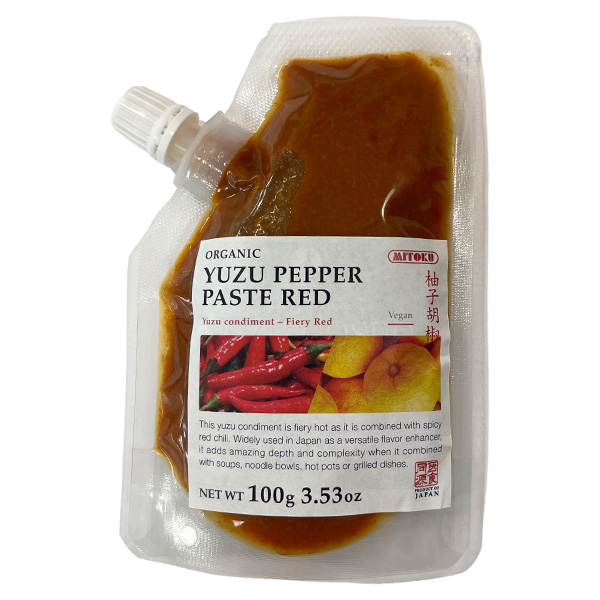
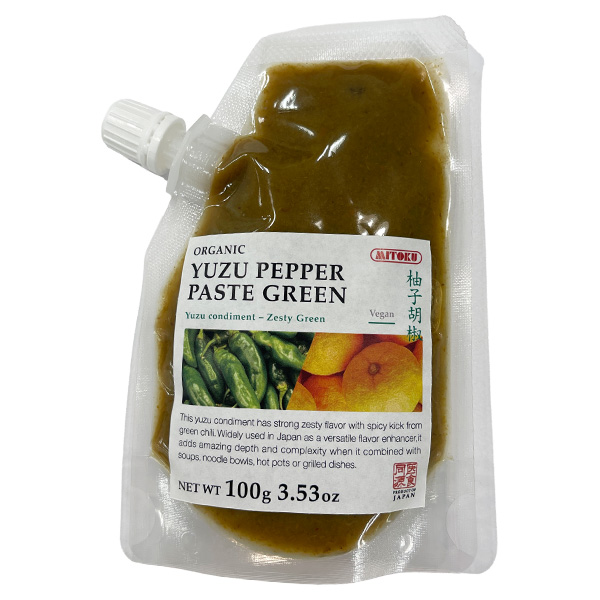
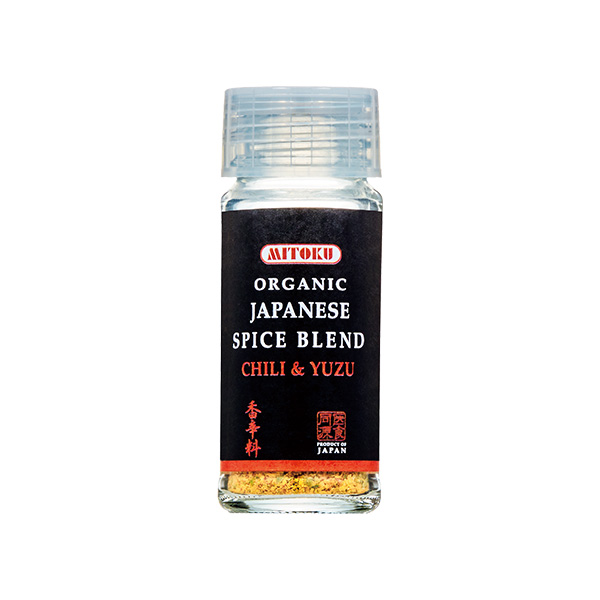
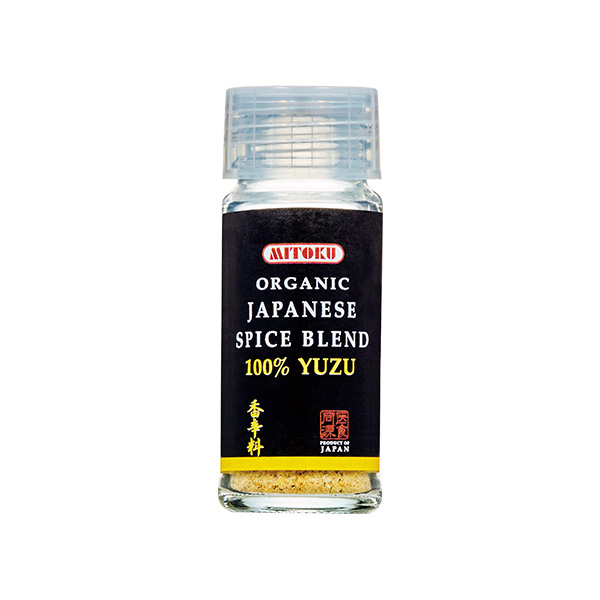
Spices with Yuzu
Yuzu is a highly fragrant Japanese citrus, with a tart flavor reminiscent of grapefruit with hints of orange blossom. The zest and juice of this versatile fruit are used in our spice varieties. The products give plenty of hot and spicy but they also offer an exquisite balance of sharpness and a refreshing fragrance that complements the flavor of dishes.
Tea
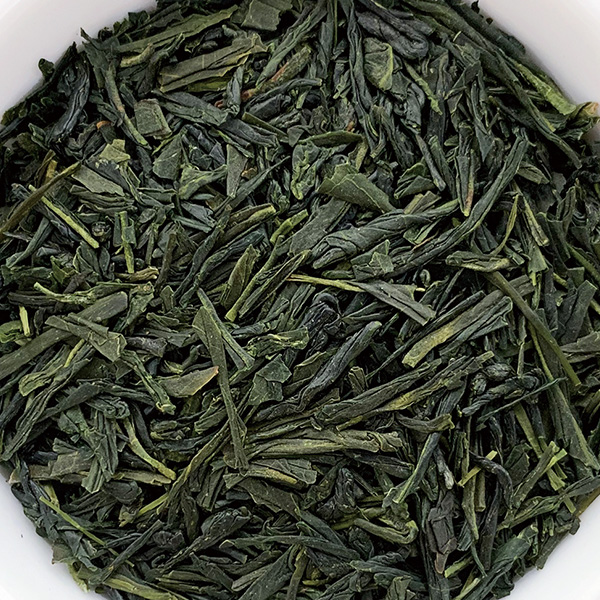
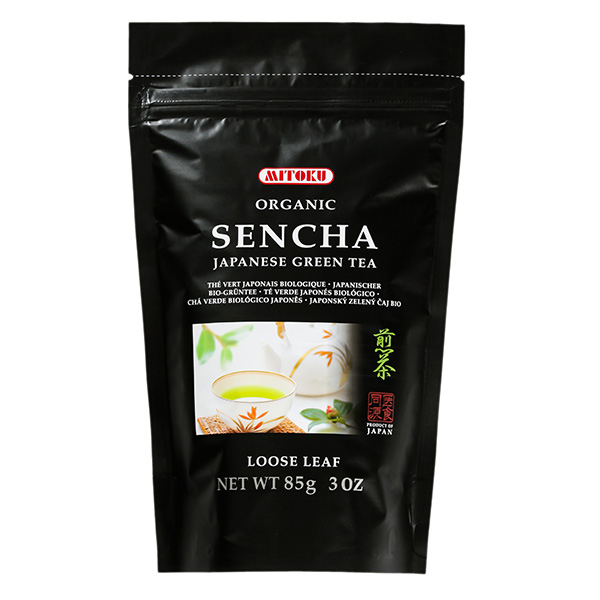
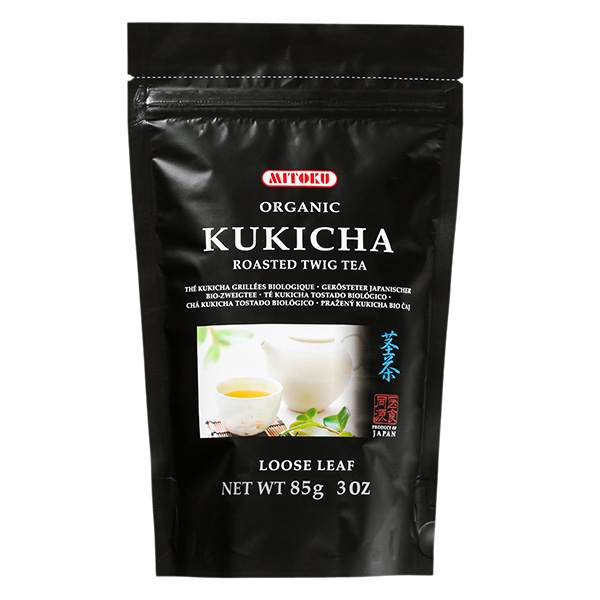
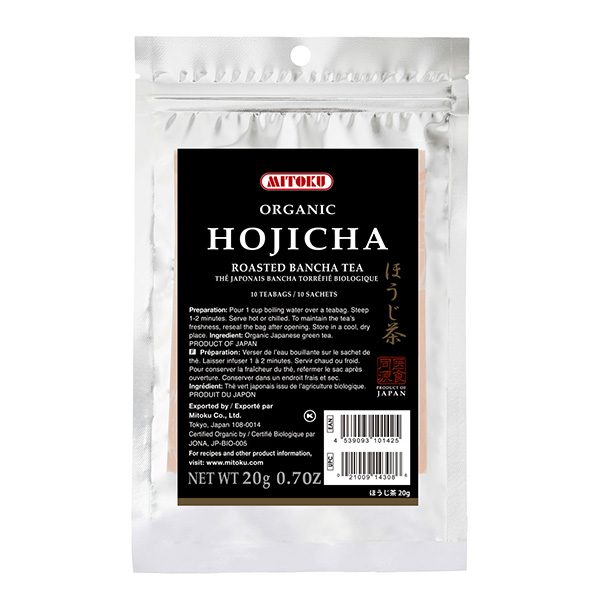
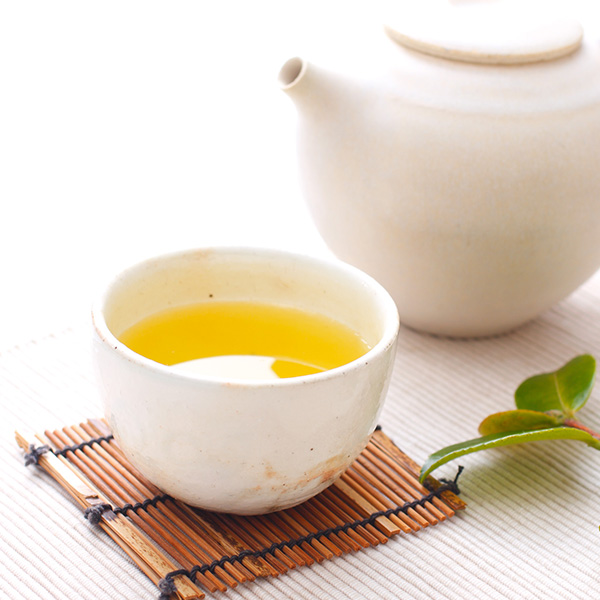
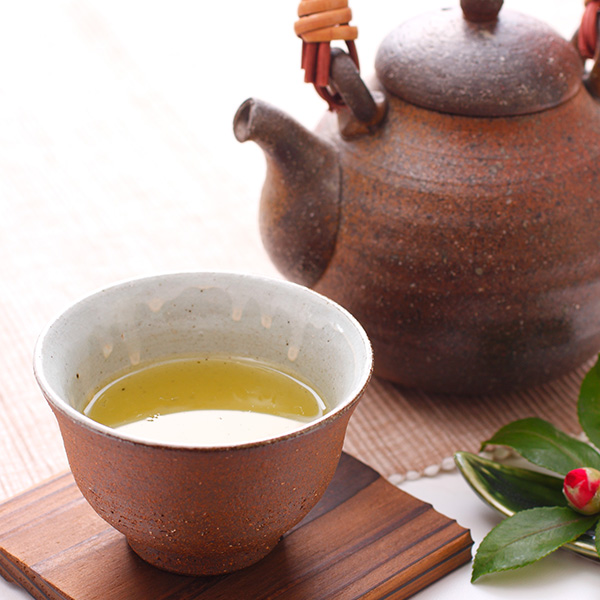
Japanese green tea is characterized by its bright green color, unique aroma, and delicate balance of umami, sweetness, astringency, and bitterness. Green tea comes from the same plant, Camellia sinensis, as black and oolong teas. However, the processing of the leaf, in particular the steaming process unique to Japanese green tea, allows the tea to retain both its beautiful color and beneficial health properties. Besides, we have a caffeine-free Japanese mulberry tea range to offer.
Japanese Green Tea
The delicious, soothing taste and the myriad health benefits of Japanese tea have contributed to its recent popularity overseas. Mitoku is contributing to this rise in popularity by offering the wonderful, authentic taste of the finest Japanese tea, grown in selected tea fields by traditional tea makers.
-
A history of Japanese tea
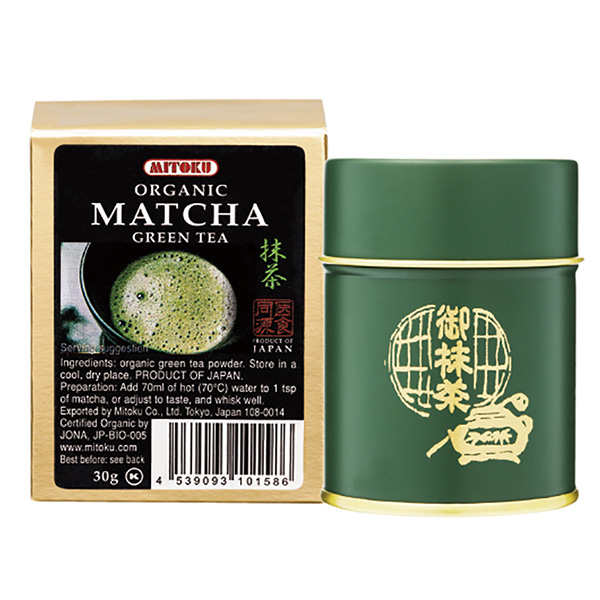
The origins of Japanese green tea date back roughly 1,000 years ago to when monks first brought over tea from China. 500 years later, a cultivation technique by which the tea plants were shaded before harvesting was developed in order to produce tea with a more vivid color and richer umami. This resulted in the development of matcha green tea, perhaps the most highly renowned of all Japanese green teas.
From the late 15th century to the late 16th century, tea masters such as Sen no Rikyu (1522-1591) developed a new kind of tea ceremony known as wabicha. This style of tea ceremony gained a strong following among the samurai and wealthy classes, and is the origin of the tea ceremony practiced today. Japanese green tea is closely intertwined with Japanese culture as a whole, and the tea ceremony is frequently held up as the most refined expression of Japan’s traditions and spirit of hospitality. When the host serves tea, they cherish the encounter with each of their guests. To demonstrate this, the tea is brewed with the greatest of care according to strict rules of etiquette, so that the guests may enjoy their fine tea in an atmosphere of serene relaxation.
In recent years, Japanese green tea has become extremely popular internationally. Both the delicious taste and the myriad health benefits of Japanese tea have contributed to this rapid increase in consumption overseas. Green tea is now becoming firmly established as a healthy alternative to coffee and black tea. Mitoku is contributing to this rise in popularity by offering the wonderful, authentic taste of the finest Japanese tea, grown in selected tea fields by traditional tea makers, to the discerning international market.
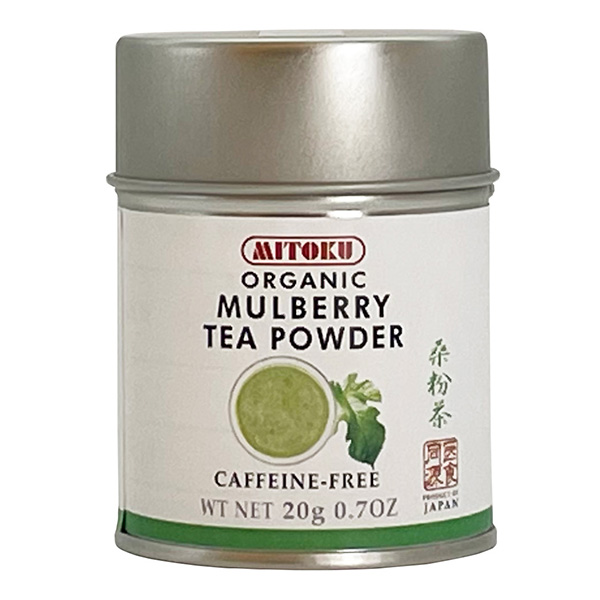
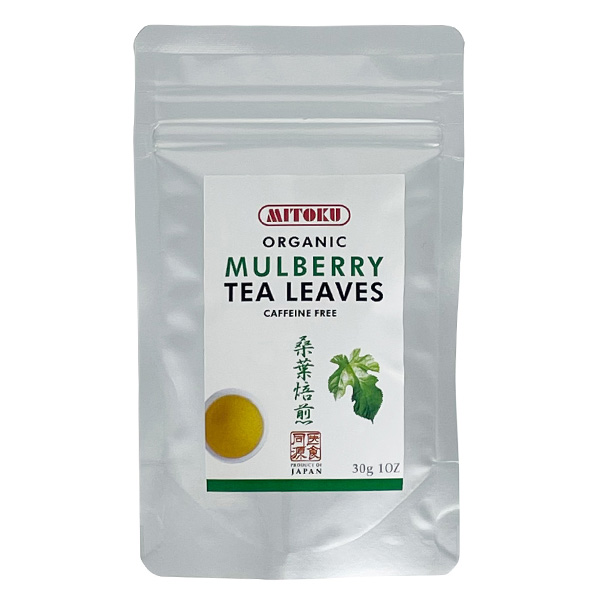
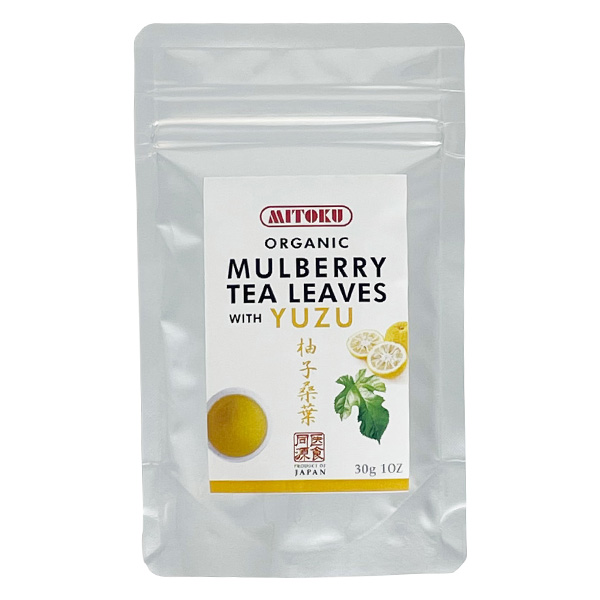
Mulberry tea
Mulberry leaves have a pleasant, mellow flavor and are naturally caffeine-free and rich in minerals, especially calcium. These wholesome herbs have been renowned since ancient times for their therapeutic properties and have long been used in Oriental medicine.
More recently, modern science has provided evidence to support this traditional wisdom. Research conducted by the Shimane Institute for Industrial Technology and the Faculty of Medicine of Shimane University, for instance, has shown that mulberry leaves contain Q3MG (Quercetin 3-(6-malonylglucoside)), which is said to be effective in preventing arteriosclerosis and oxidation of LDL-cholesterol (1). Additional research has suggested that another component present in mulberry leaf, 1-Deoxynojirimycin (DNJ), is effective in reducing blood sugar levels and preventing diabetes by inhibiting α-glucosidase activity (2).
Mitoku’s mulberry teas are produced in Shimane, the second least populated prefecture in Japan, far from urban pollution in an environment ideally suited to organic agriculture. Here, our producer works without the use of any chemical fertilizers or pesticides to produce organic mulberry tea of the highest quality. Organic Mulberry Tea is available in teabag, loose leaf, and powder form.
Noodles
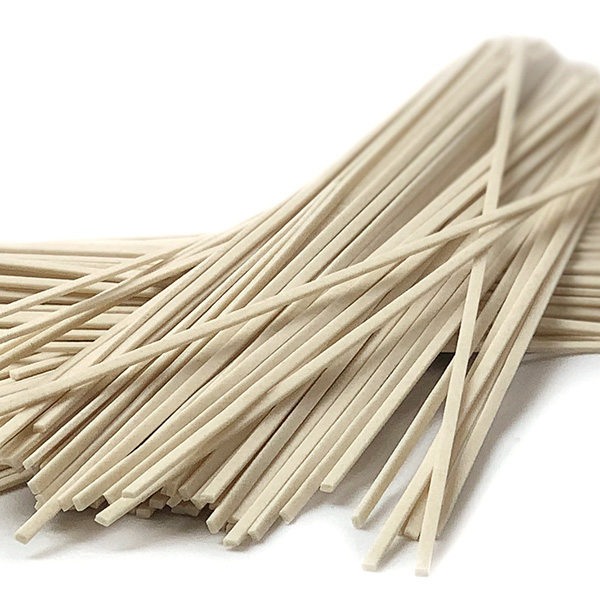
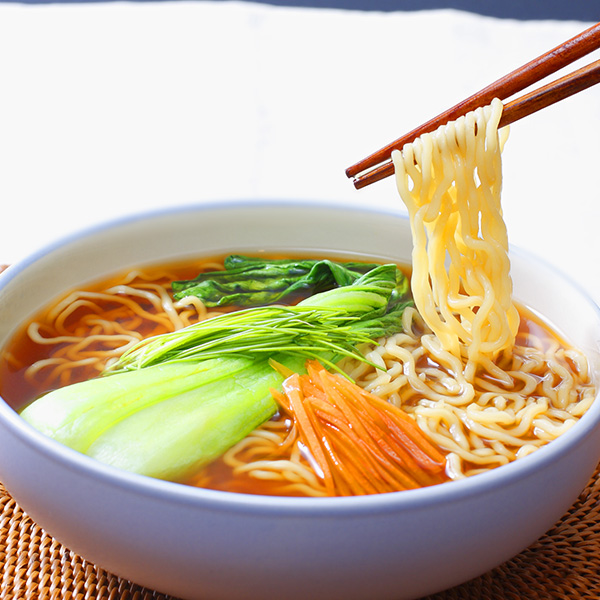
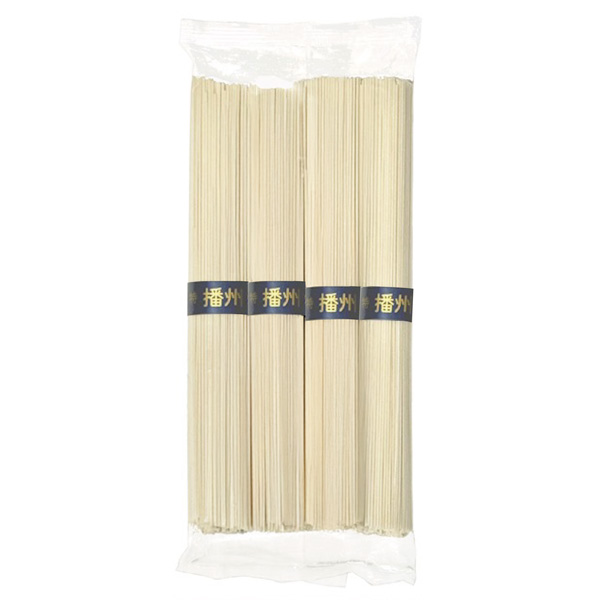
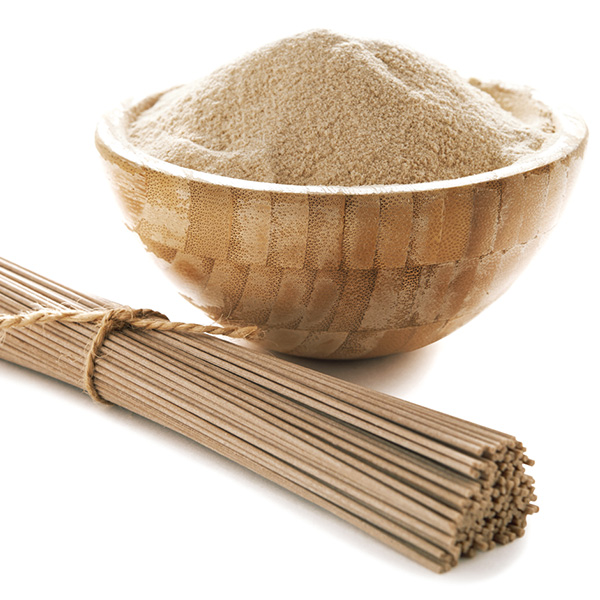
There are a wide variety of Japanese noodles, including those made from wheat (udon and somen) and buckwheat (soba). Made without using eggs, they are light and easy to digest, as well as being quick and easy to prepare, delicious, and satisfying.
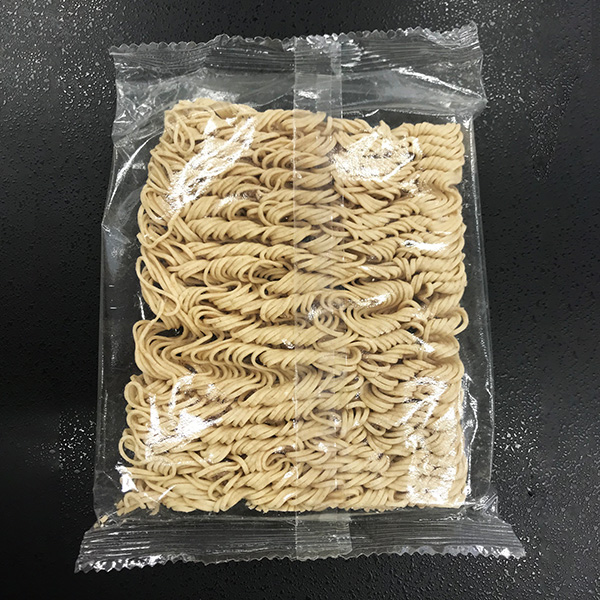
In addition to these traditional Japanese noodles, Mitoku now offers handy and wholesome ramen noodles and healthy shirataki noodles, in response to their global popularity.
Dried Noodles
All Japanese noodles are traditionally hand-made and the taste and texture of fresh hand-made noodles is hard to beat. Taking inspiration from these traditional methods, Mitoku’s noodle makers are small scale operations that aim to replicate the simple and uncomplicated process of hand making noodles as closely as possible.
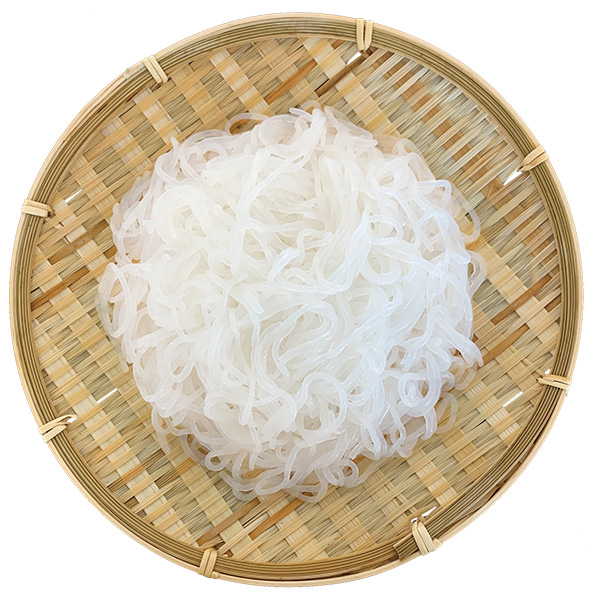
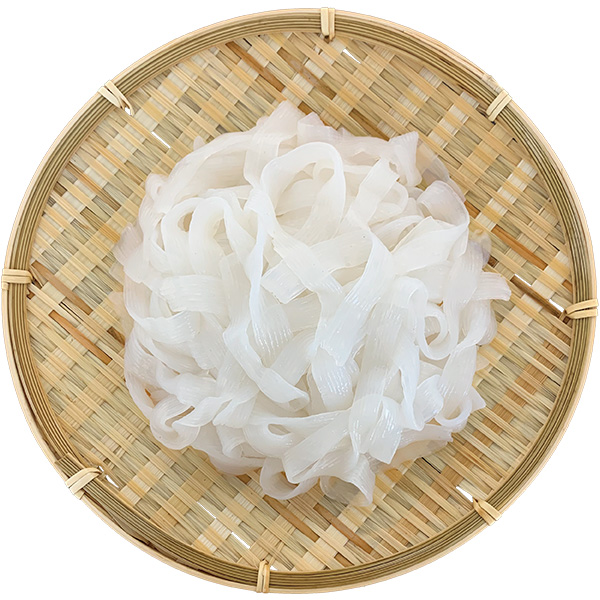
Shirataki Noodles
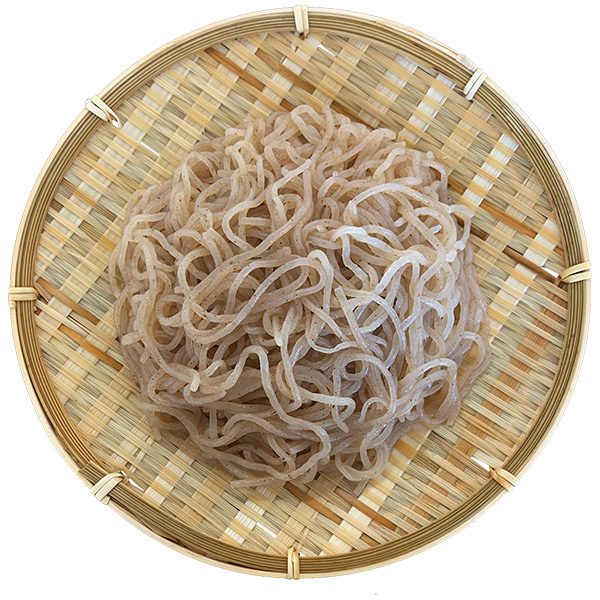
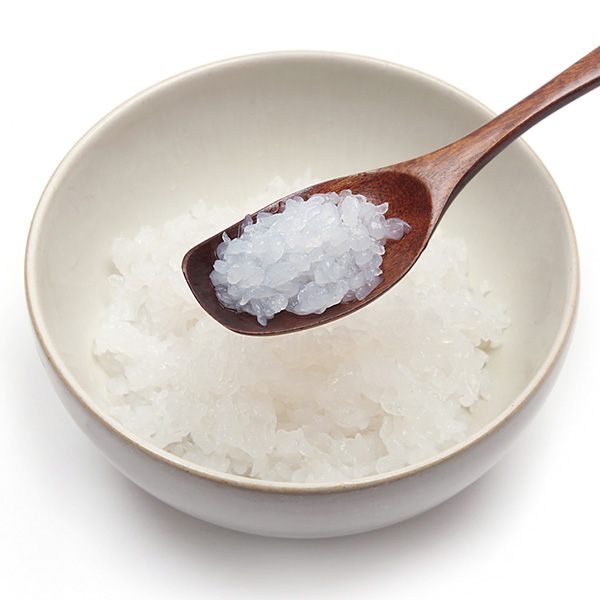
Shirataki is a type of Japanese noodle made from fiber derived from the tuberous root of the konjac plant. These noodles, which are typically long and thin with a translucent white or brown color, have long been a feature of Japanese cuisine. More recently, shirataki noodles have gained in popularity as a replacement for other types of noodle such as spaghetti. This is because these noodles tick all the boxes when it comes to healthy eating, being fat-free, low-carb, and low in calories. In addition, shirataki noodles are great at absorbing flavors and add a unique texture to dishes, making them a great addition to any cook’s repertoire.
*Mitoku’s Organic Shirataki comes in packets containing a watery liquid that needs to be drained and rinsed off before the noodles are used.
Sea Vegetables
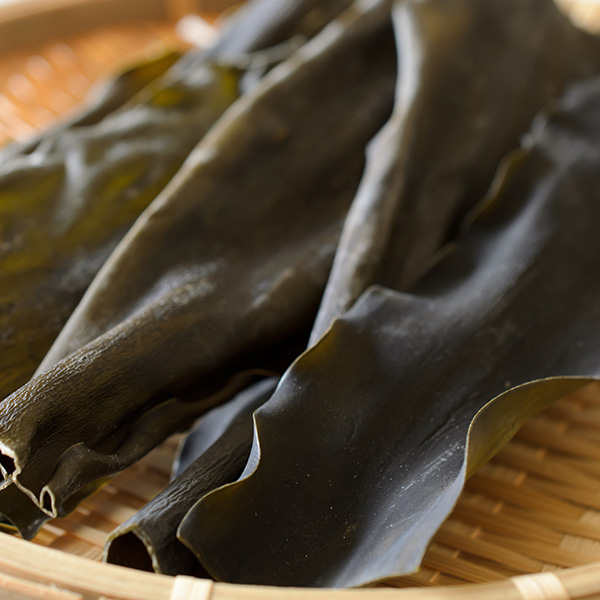
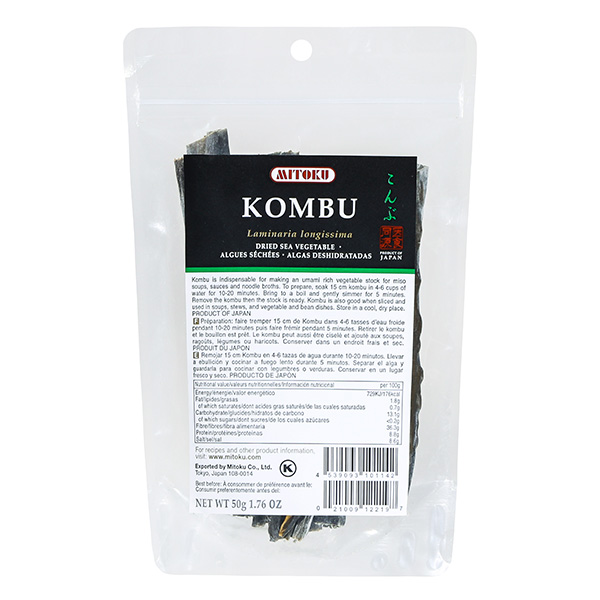
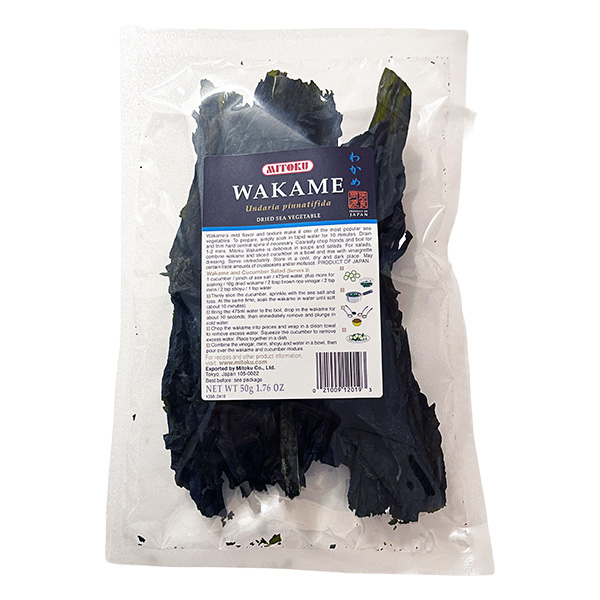
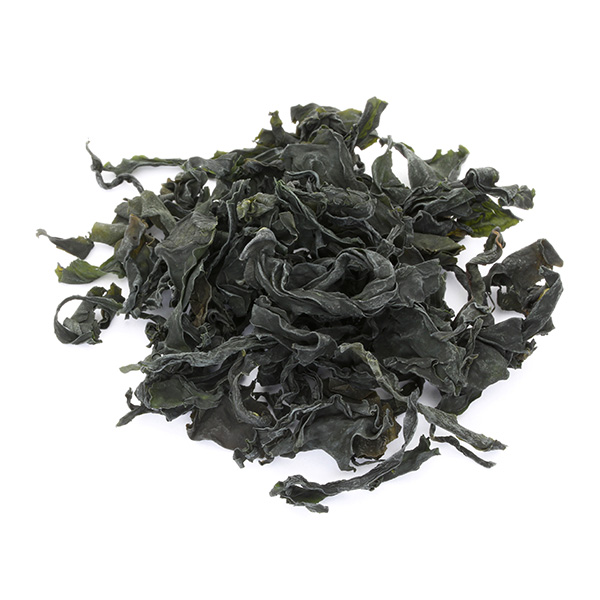
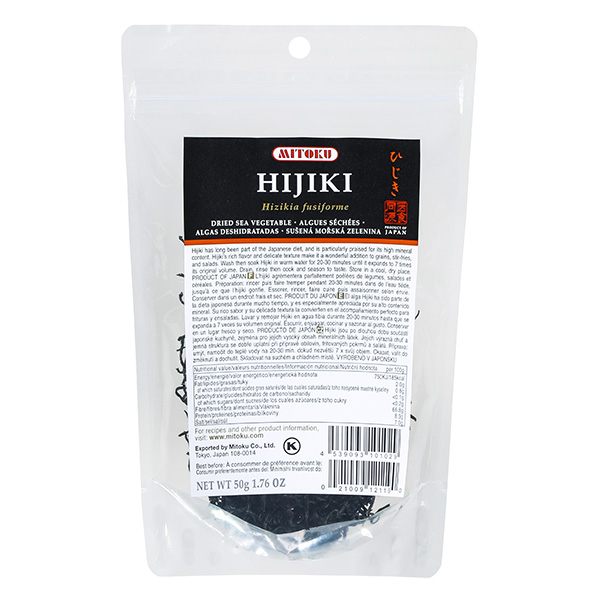
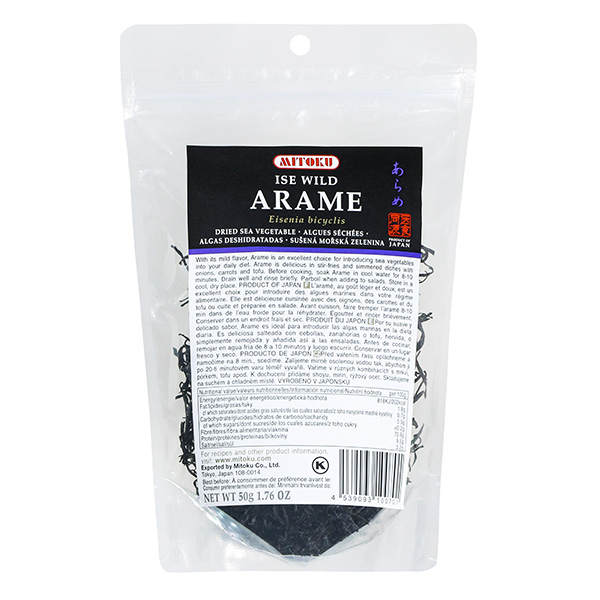
Sea vegetables are rich in nutritional content thanks to tidal currents, which help them to accumulate essential minerals such as calcium, potassium, iron, and zinc. Nutritional value aside, in East Asia sea vegetables are also thought to contribute to general well-being. Mitoku offers a wide range of high-quality sea vegetables with a rich diversity of flavors, colors, and textures. Our sea vegetables are sourced exclusively from small, traditional suppliers, for whom harvesting the bounty of the sea is a way of life, and who pick wild sea vegetables when they are at their peak. Our sea vegetables are grown in the beautiful, emerald waters of Hokkaido, Ise, and other coastal regions famous for high-quality marine produce.
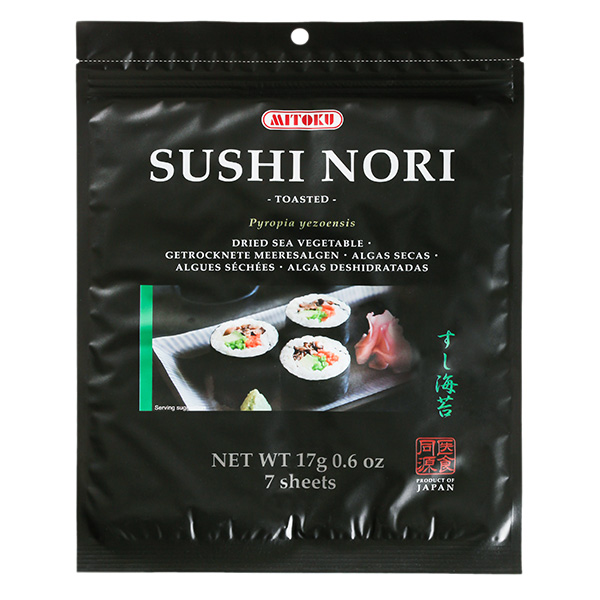
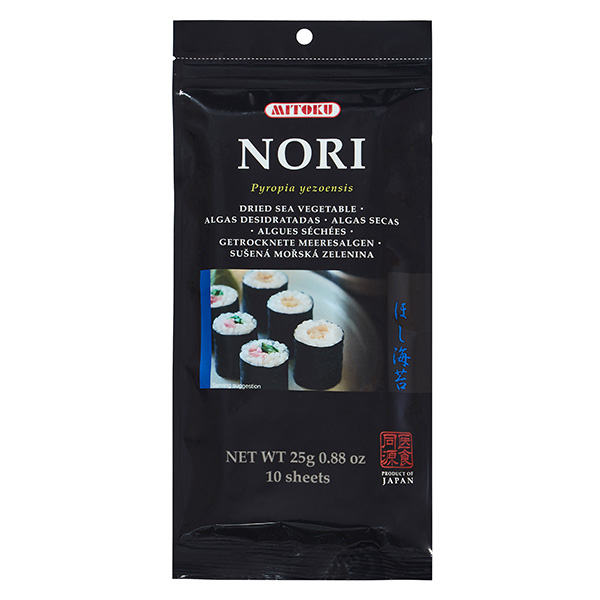
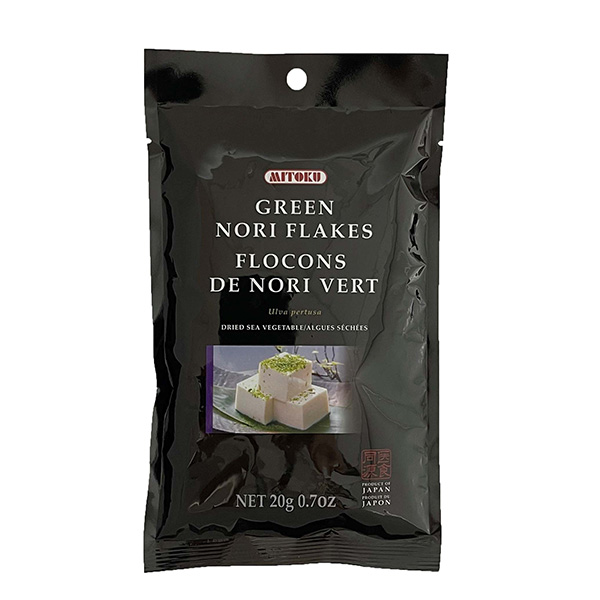
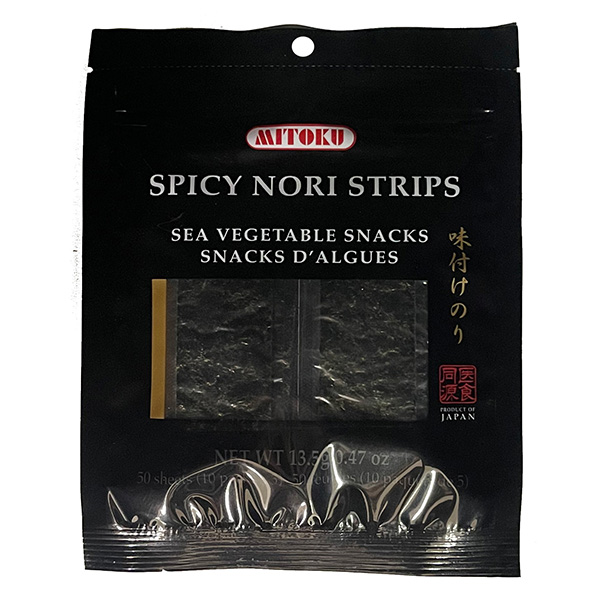
Nori
Famous worldwide thanks to its use in sushi, nori is versatile and easy to prepare.
Nori has been cultivated in Japan for over 300 years, traditionally by suspending woven net ropes between bamboo poles set in quiet bays. The nori grows over the nets throughout the winter and is then harvested at the beginning of the new year, when it is taken ashore to be washed and slowly air-dried. Mitoku’s nori is the highest grade available, notable for its fine, even texture and deep-green color.
Other Sea Vegetables
Mitoku also offers high-quality sea vegetables as follows.
Ume and Pickles
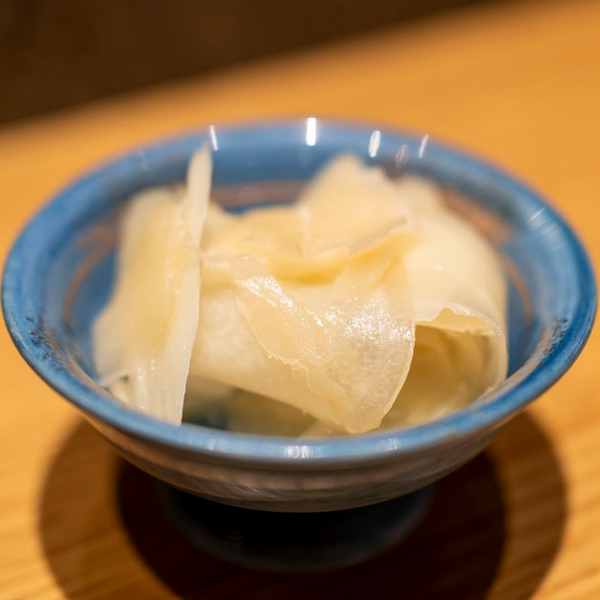
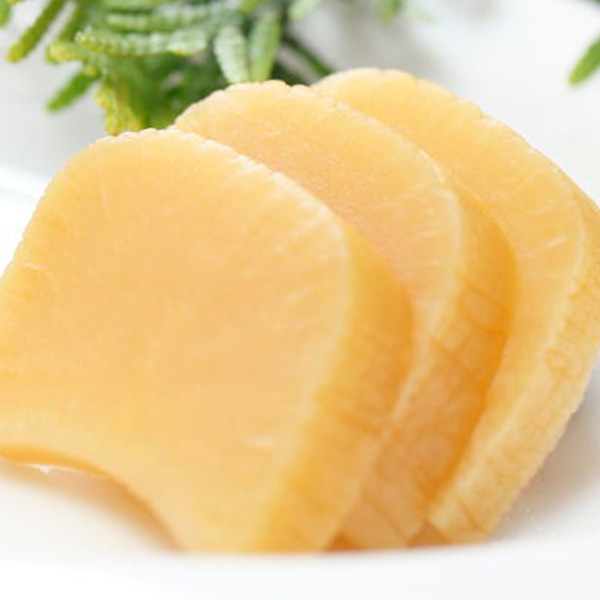
Pickled foods or tsukemono are an integral part of the Japanese diet. Originally developed out of necessity as way to preserve food before the advent of refrigeration, Japanese pickles now exist in wide variety of forms, with many regional specialties boasting their own unique and subtle variations in flavor.
Mitoku works with producers that create naturally delicious pickles according to the time-honored methods of one-form pickling that have been developed over centuries. Our products are made using a wide variety of pickling techniques and media, including bran, salt, vinegar, miso, shoyu, and the residue from sake production, but common to all our traditional pickles is the absence of refined sugar, commercial salt, synthetic vinegar or soy sauce, and preservatives.
Ume Products
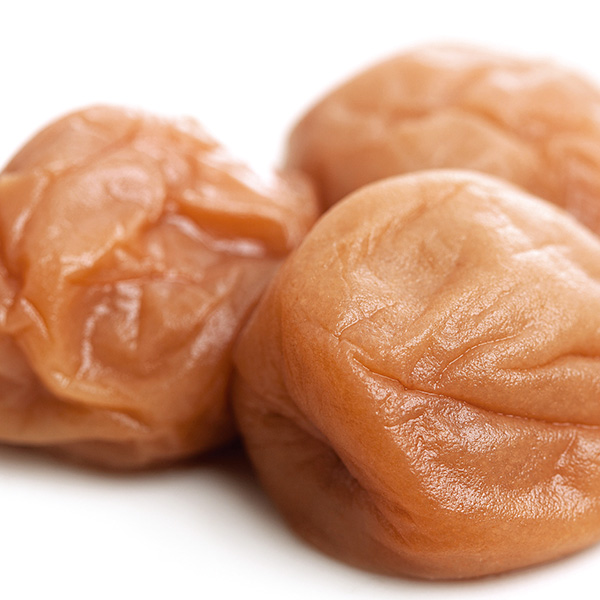
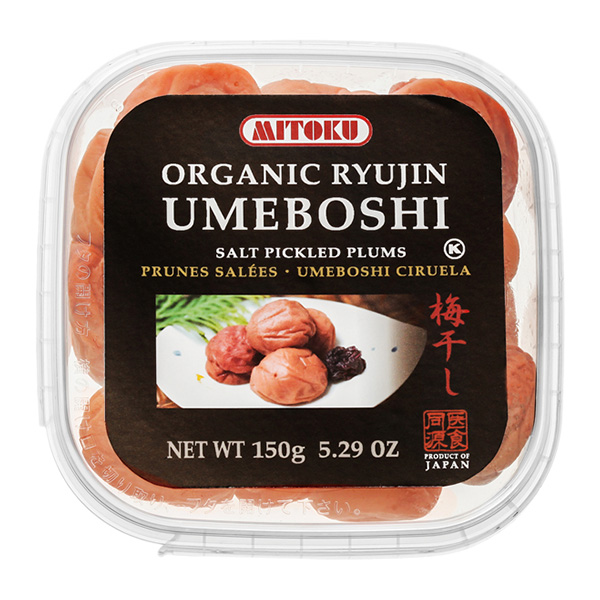
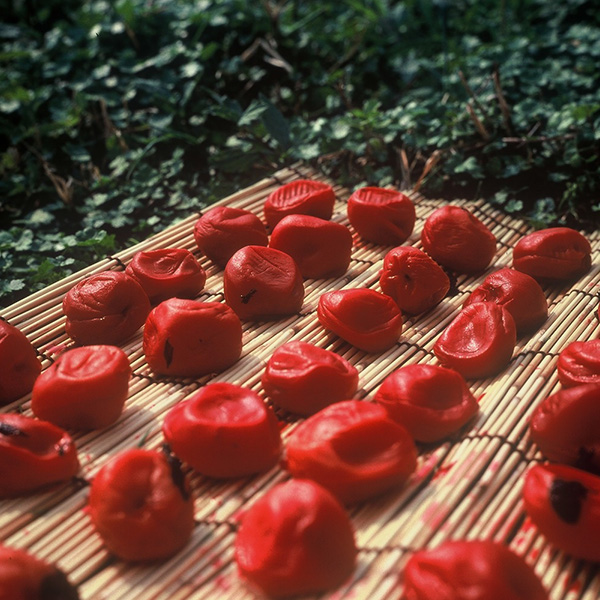
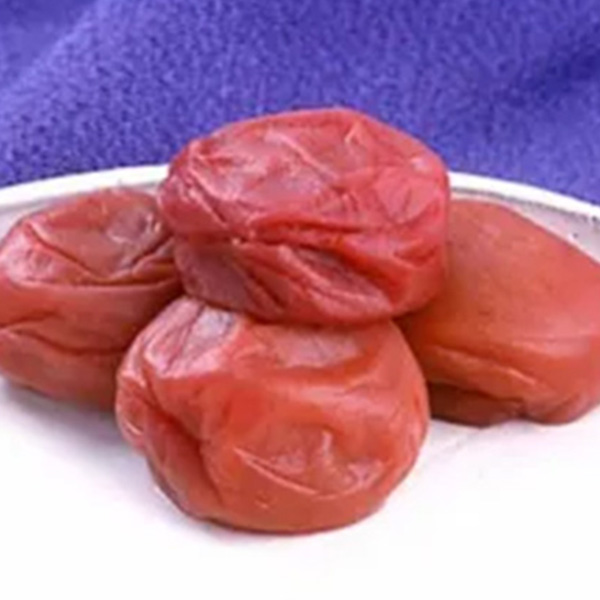
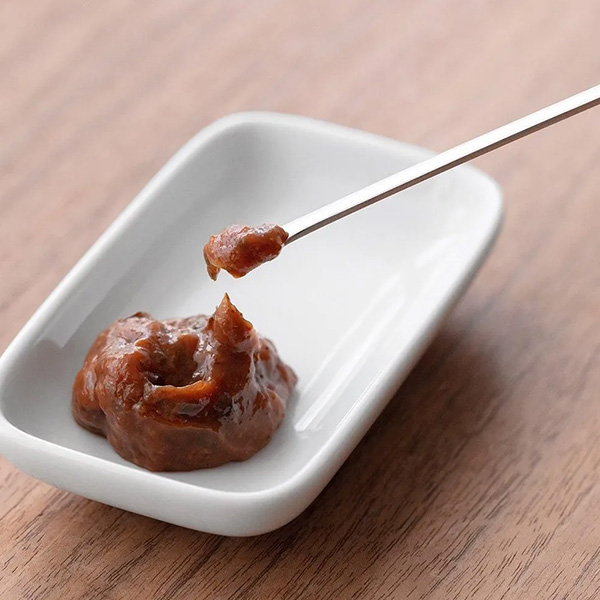
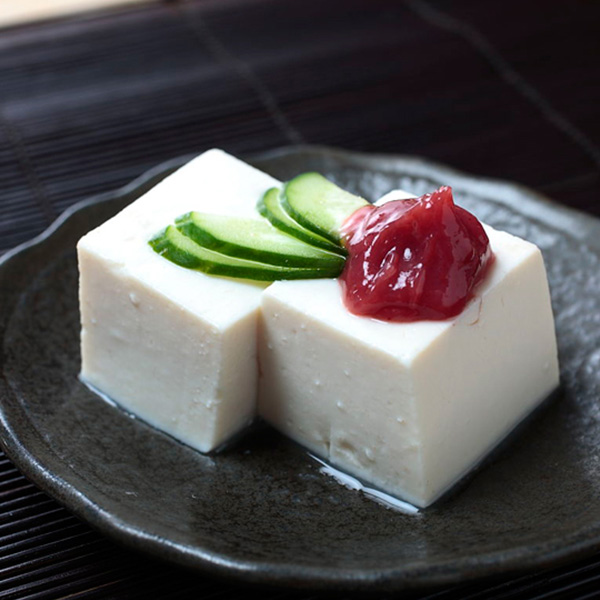
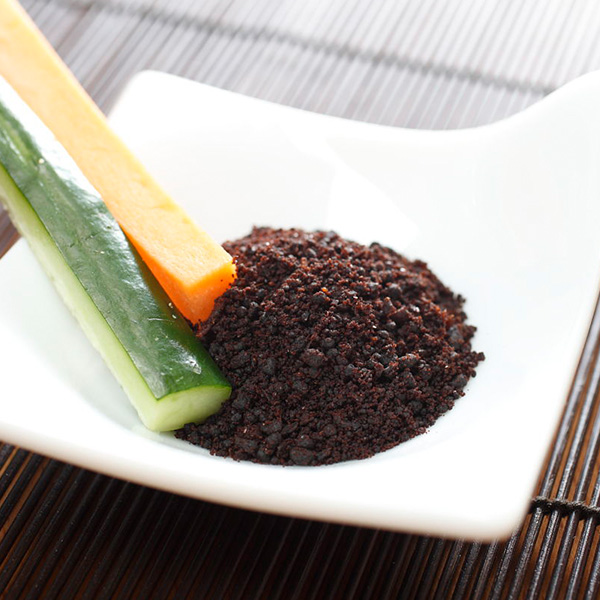
Umeboshi, or Japanese pickled plums, are the jewels in the crown of Japan’s pickling tradition. They have been consumed for over a thousand years, first as a medicine, thought to prevent fatigue, purify water, and purge toxins, and later as a flavorful condiment. Mitoku’s umeboshi are made following an ancient, all-natural process, refined over centuries in the villages of Wakayama prefecture.
These organically grown Japanese plums are salt pickled, one of the simplest and most common methods of food preservation. This means no refined sugar, synthetic ingredients, or preservatives are used whatsoever. The plums are then soaked with zesty shiso leaf to impart color, flavor, and aroma, as well as the antibacterial and preservative qualities traditionally associated with the herb.
The resulting umeboshi have all the eye-opening tang and tartness you might expect, but are balanced with a mellowness derived from the slow and careful production process. The acidity of the umeboshi comes from naturally occurring citric and malic acids, which have been said to possess therapeutic properties since ancient times.

Other Pickles
Mitoku works with producers that create naturally delicious pickles according to the time-honored methods of one-form pickling that have been developed over centuries. Our products are made using a wide variety of pickling techniques,
but common to all is the absence of refined sugars, colorings, synthetic vinegar, and artificial preservatives.
Cooking Aid Kuzu / Agar
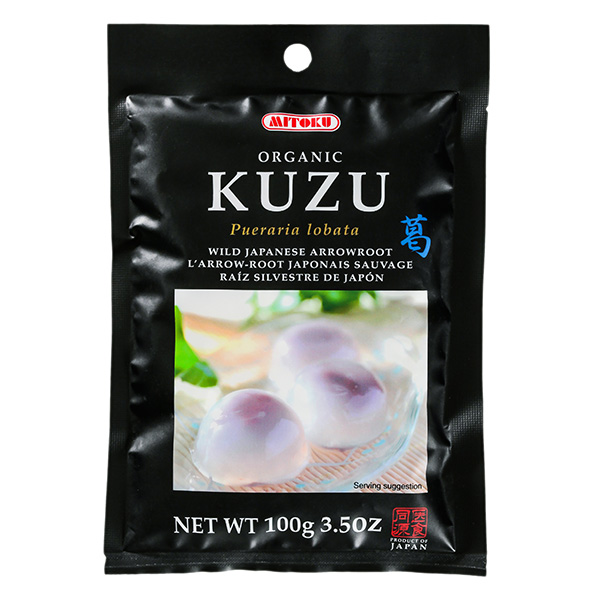
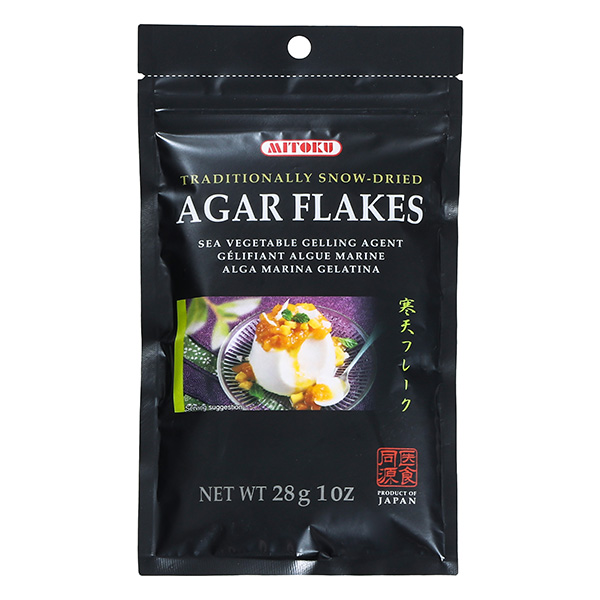
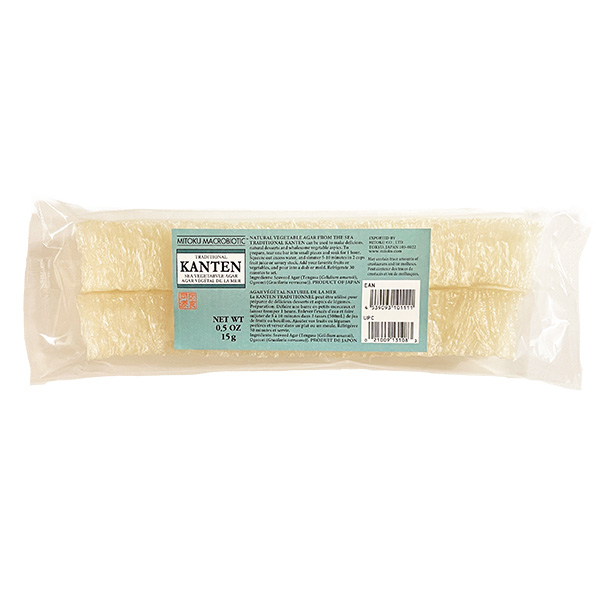
Kuzu and kanten (agar) are both plant-based Japanese traditional ingredients used primarily as gelling and thickening agents in a wide variety of dishes ranging from sweets to savory dishes such as soups. Kuzu is derived from the root of the kuzu plant (Pueraria lobata), while kanten (agar) is made from sea vegetables.
Kuzu
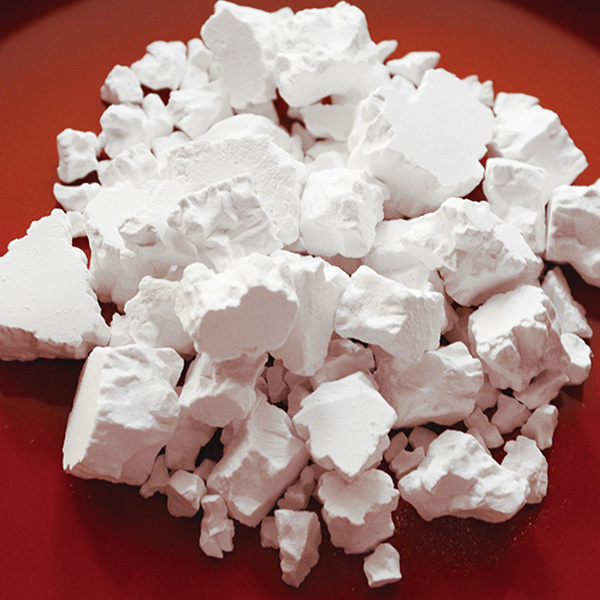
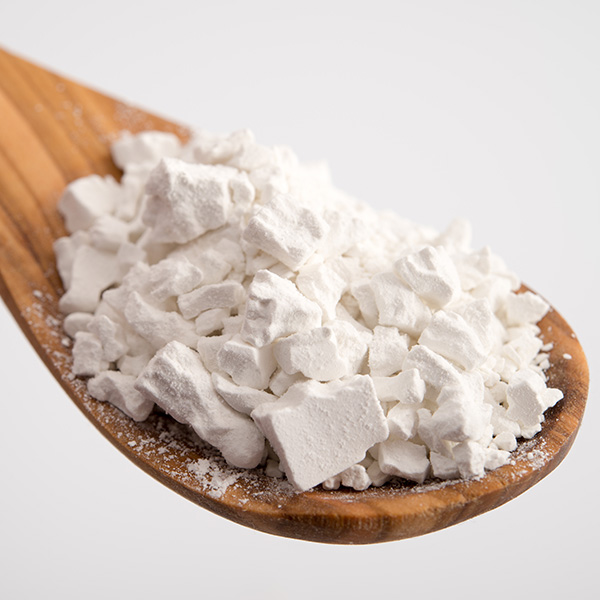
Kuzu powder, also known as “white gold”, is a traditional gelling agent made by extracting starch from the large, bulbous root of the kuzu plant. This fine, white powder is highly prized for its silky soft texture quite distinct from the coarseness of industrial starches such as corn or potato. It can be used as a thickener for a wide variety of dishes, both sweet and savory, including desserts, soups, stews, sauces, and glazes. To use kuzu, simply dissolve in cold water and add to your cooking pot. Heat the mixture, stirring continuously, until it has thickened.
Agar
Today, almost all agar is made using modern techniques. However, a few small producers, such as the Mizoguchi family in the mountains of Nagano, still use the old labor intensive methods. To make this traditional gelling agent, various red sea vegetables are naturally snow-dried over a period of months by the cold winter climate. The resulting agar has excellent natural gelling ability, a mild flavor, is free of calories, and can be used to seal in the natural flavor and sweetness of other ingredients. Agar begins to set at around 35°C without refrigeration. This versatile gelling agent can be used with savory ingredients or in desserts.
Dashi
Dashi is a simple broth used as a base in most Japanese cooking, such as miso soup, noodle soups, tempura dipping sauce and more. Dashi is full of umami components that increase depth, richness, and complexity in flavor of dishes. This subtle flavor of umami-rich dashi enhances the natural taste of other ingredients and serves to transform the flavor.
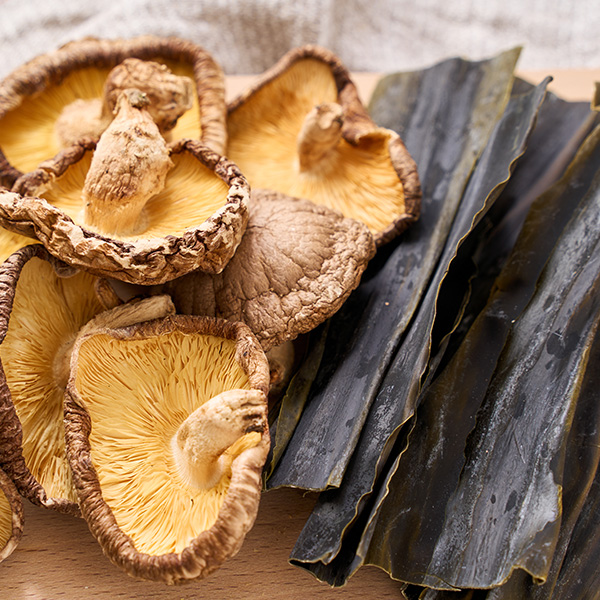
Dashi is commonly made using kombu (kelp), katsuobushi (dried bonito flakes), and shiitake mushrooms. There is also a vegan broth, which is associated with traditional Japanese Buddhist cooking. This broth is mainly made using Shiitake and Kombu. Here are some ingredients.
Kombu
Dashi made only from kombu (kelp) is called Kombu dashi. It is characterized by its elegant taste and richness of umami. There are other types of dashi combining with kombu such as vegan broth which is prepared with both kombu and shiitake.
Kombu, which grows off the northern island of Japan, Hokkaido, is harvested and dried before use. We offer Please see our kombu products in sea vegetable page.
Shiitake
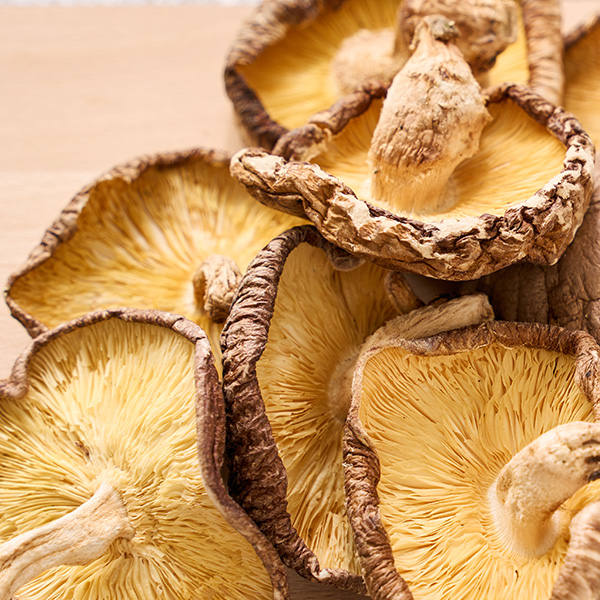
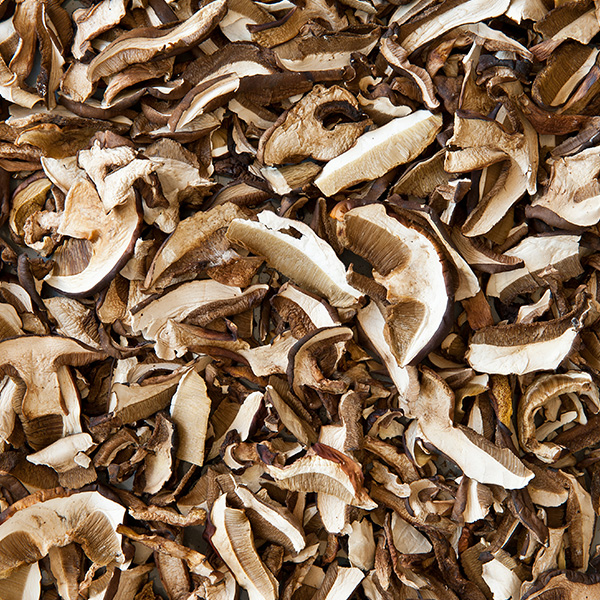
Shiitake dashi is made from dried shiitake mushrooms. It is characterized by its robust earthy flavor. Shiitake mushrooms contain a different umami component, guanylic acid, from kombu. Combining different umami components creates a synergistic effect of umami and it dramatically enhances the taste of dishes. They are particularly rich in vitamin D.
Mitoku offers fine dried Shiitake from Japan’s Southern island Kyushu, where the most cultivation of and highest production volume of dried shiitake is made.
Specialties
In addition to our main product categories, Mitoku offers an extensive range of carefully curated specialty products, with a focus on traditional and organic foods beneficial to those following a macrobiotic or vegan diet. All of these products share the same core qualities that are central to the Mitoku ethos: superlative taste, exceptional quality, and the promotion of well-being.
Rice Products
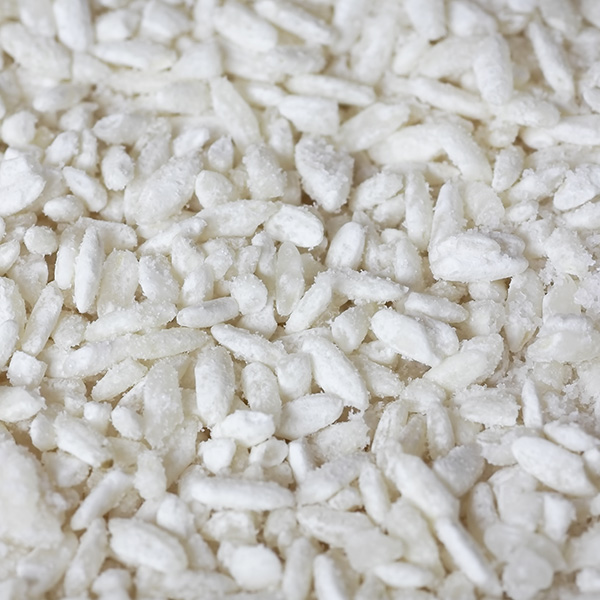
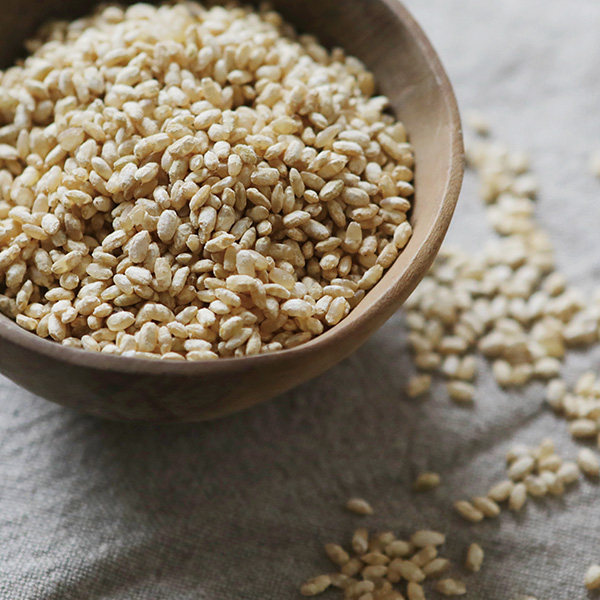
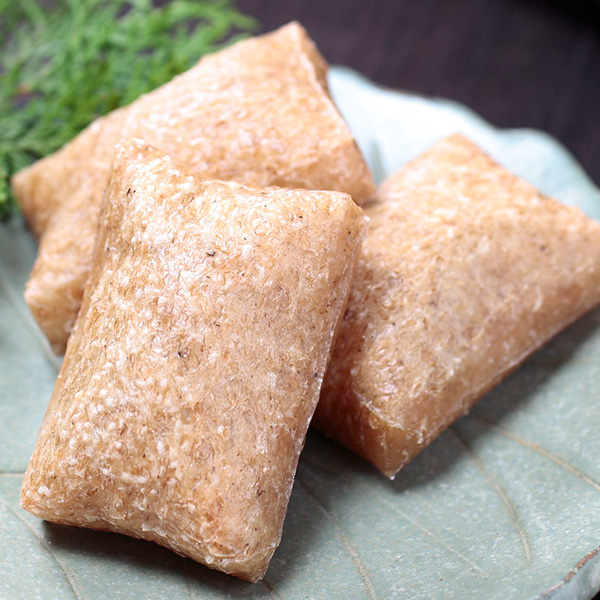
For the Japanese, rice is more than just a staple food. It is an energy source and a culture and faith. Rice is well suited to Japan’s climate and is at the heart of Japanese food culture, serving as the raw material for a variety of foods, including sake, miso, mirin, vinegar and mochi (rice cakes). Mitoku has an extensive array of rice products as follows.
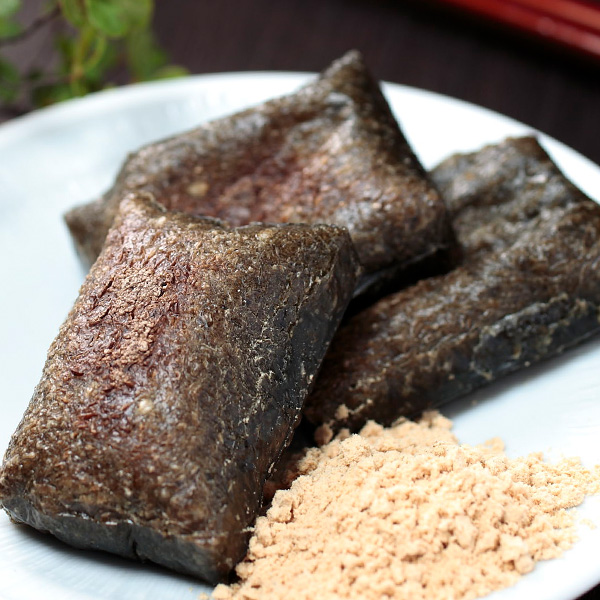

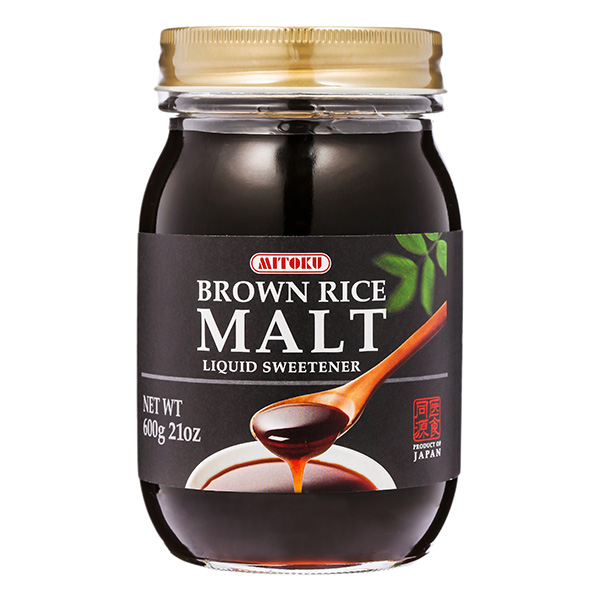
Other Specialities
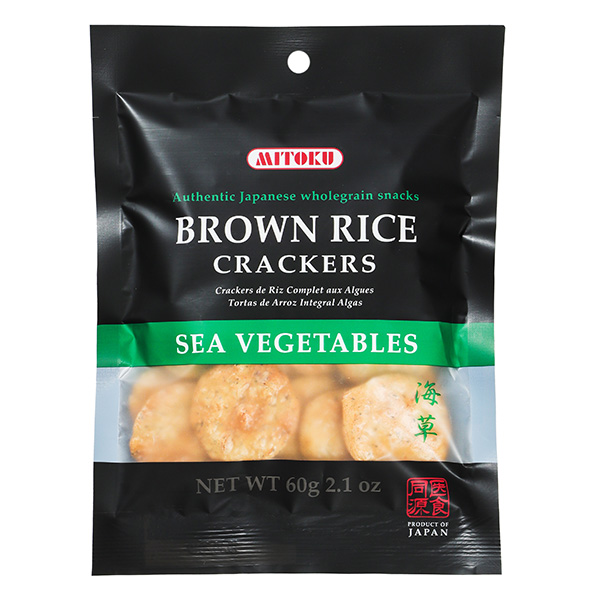
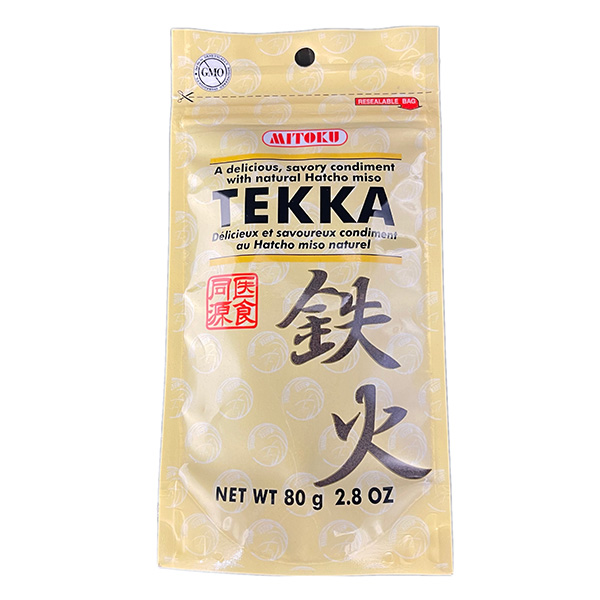
There are more specialty products, and here are a few of the items.
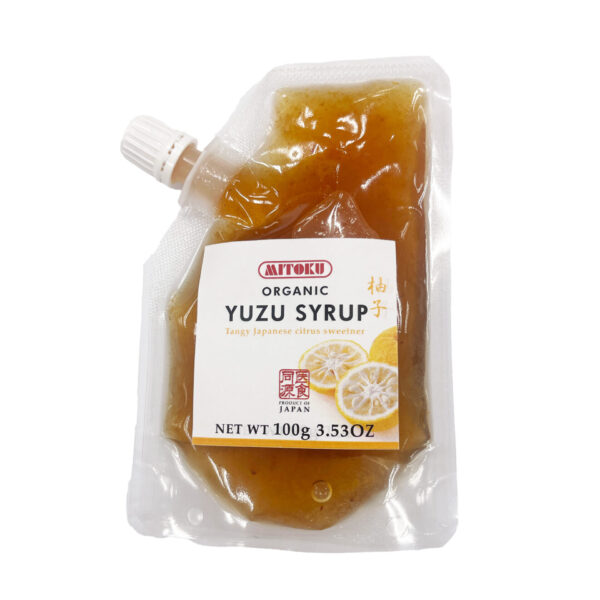
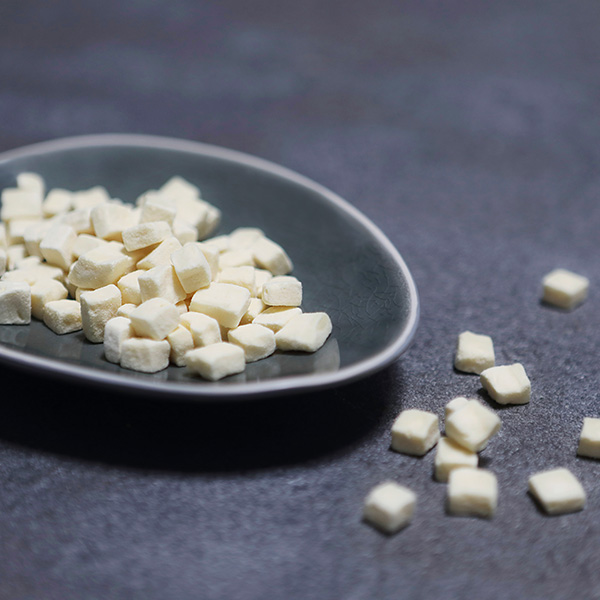

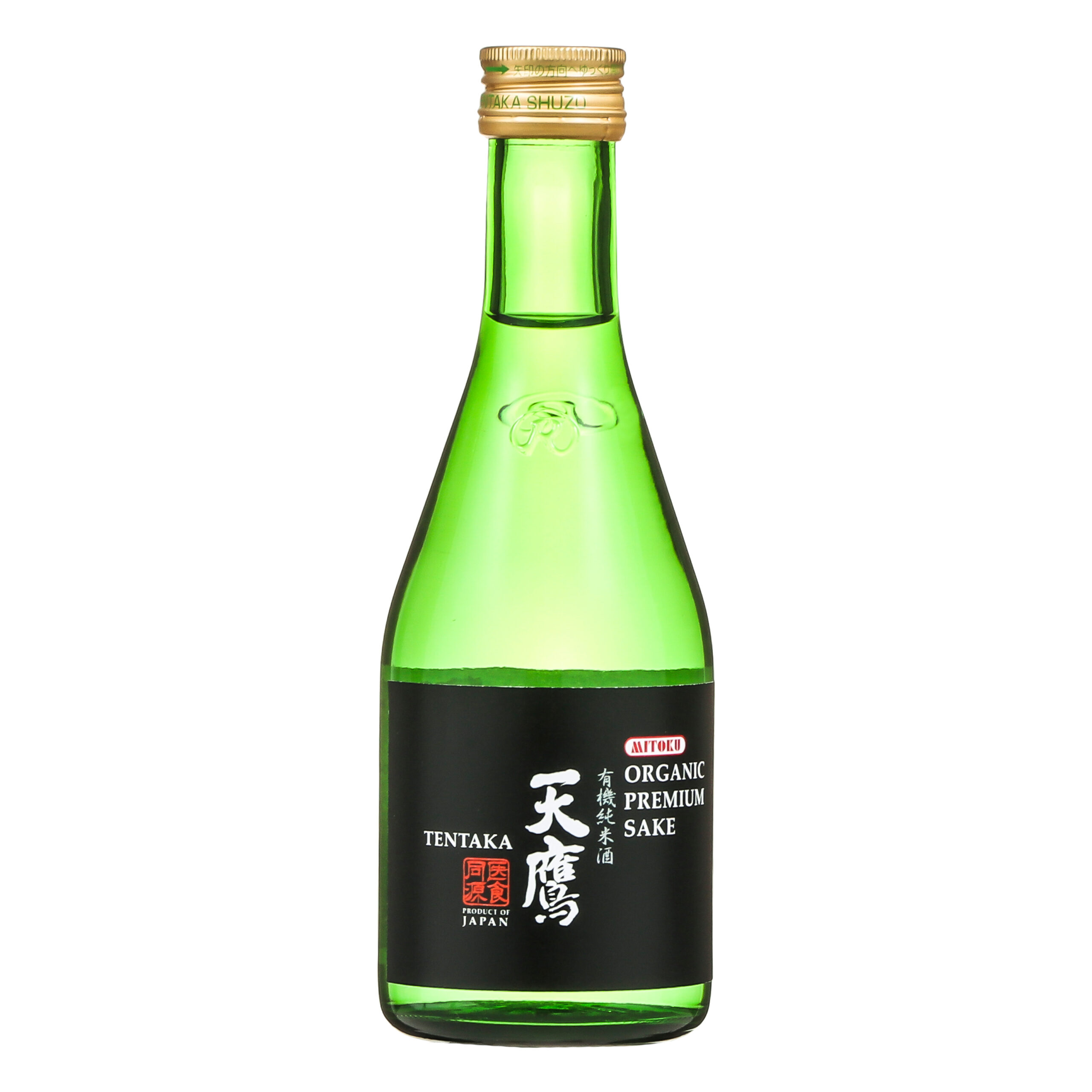
Sake
Sake is becoming increasingly popular abroad together with Japanese foods. Perhaps sake is well received as it pairs well with cuisines other than Japanese. It is not rare to see sake served cold in a wine glass in a fancy restaurant. Sake is also appreciated when serving warm or room temperature on its own. Mitoku offers organic sake produced by a brewery that preserves traditional techniques.