

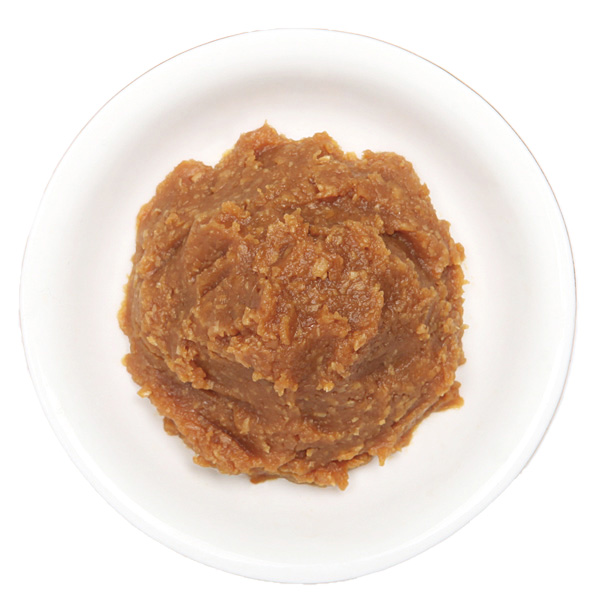
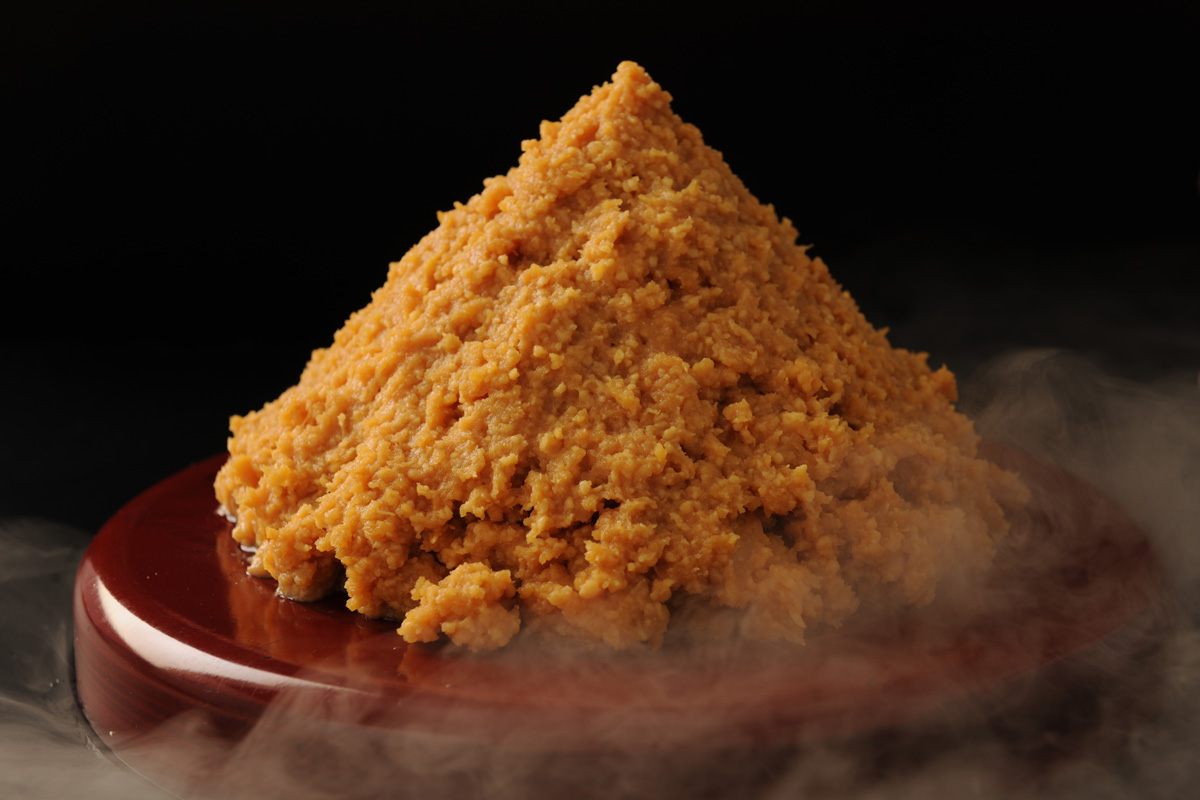
 Reducing salt intake in our diet is thought to be one way to avoid lifestyle related diseases. For this reason, Mitoku now offers a reduced sodium option for organic miso. This unpasteurized miso contains at least 25% less salt than our standard miso without compromising on taste. It has a rounded and satisfying taste similar to our brown rice miso.
-
Packaging options
Available in 300g tub and 20kg bulk carton
-
Making
Miso is made by mixing koji, mashed soybeans, salt, and water, then leaving the mixture to ferment and mature. Different types of miso can be made by adding different types of koji to the mixture. Brown rice koji and rice koji, for example, are used to make this miso.
By blending unpasteurized brown rice miso and a sweet, low-salt rice miso, this miso develops a rich yet smooth rounded flavor with less salt content.This miso producer has long been focusing on delicate unpasteurized miso over three generations. Therefore their delicious miso is made with great care using selections of quality ingredients – soybeans and rice, at a perfect location for miso making – a basin surrounded by mountains with underground water flowing from the Japanese Alps, large temperature differences, and low humidity.
Here we introduce the basic method of miso production.
As with sake and shoyu, the most critical element in miso-making is the fermentation starter, known as koji. This kick-starts the all-important fermentation process. The quality of the starter does much to determine the quality of the finished miso. It is not enough to simply sprinkle rice, barley, or soybeans with koji spores. Instead, the koji needs to be provided with an effective medium to grow on. If soybeans are used, for example, they must be washed, soaked, and steamed to create the optimal conditions for the koji to thrive. The producers also need to be attuned to environmental conditions such as temperature and humidity in order to judge the correct ratio of koji to soybeans. These factors have a complex interrelationship, which can change with each batch.
Once the soybeans have been washed, soaked and steamed or boiled, they are mashed before being mixed with the koji.
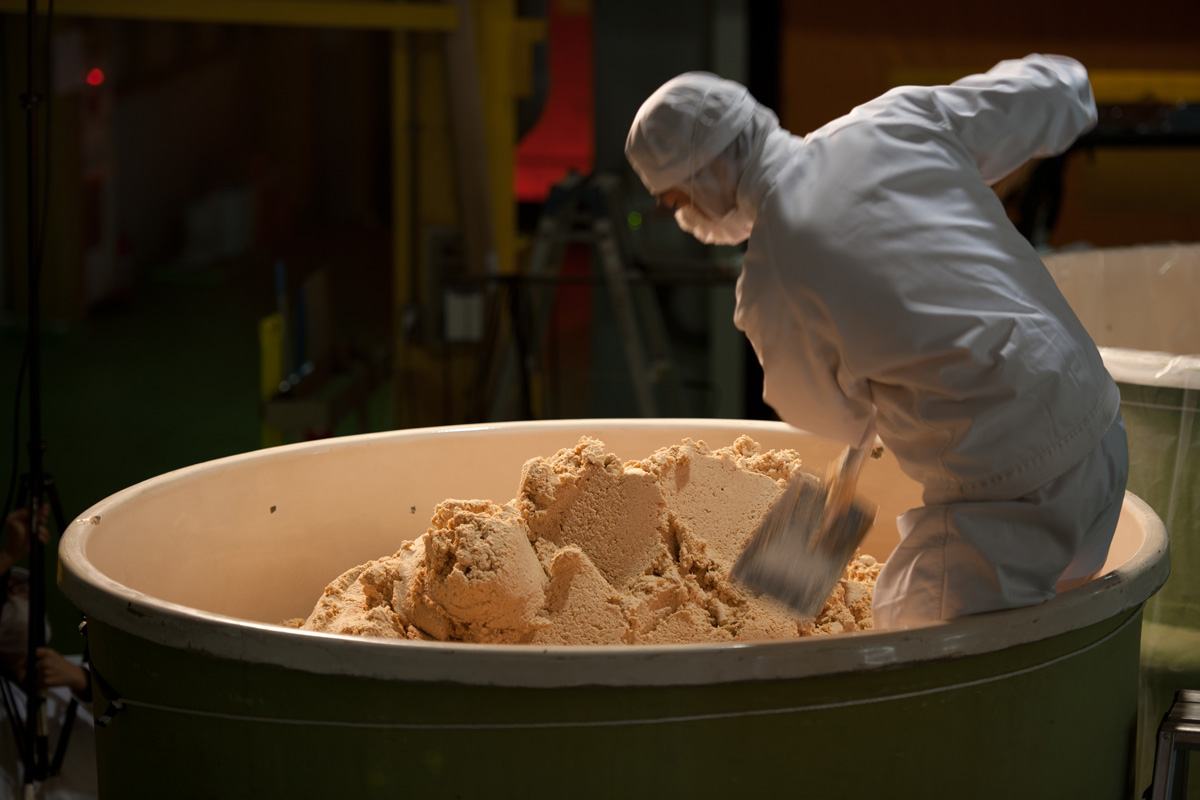
The koji is now mixed with cooked soybeans, salt, and water in large fermentation vats.
The vats or warehouse provide the environment for microorganisms to propagate and for the enzymes in the koji to get to work on breaking down the soybeans. The mixture is then left to ferment and mature. For the first 20 – 30 days, the mixture is churned to give a boost to the good bacteria in the mixture, which supplement the activity of the enzymes, and ensure that the mixture ferments evenly. After fermentation, the maturation period can be several months.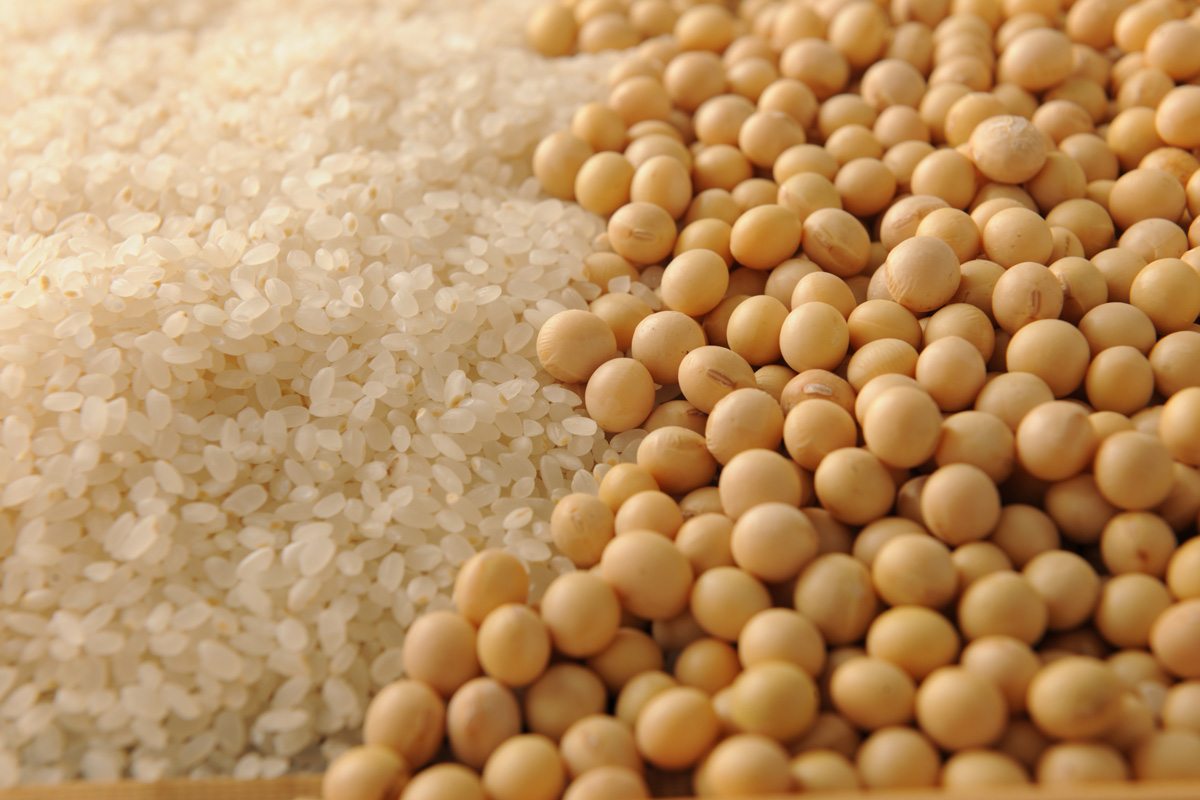



-
How to use
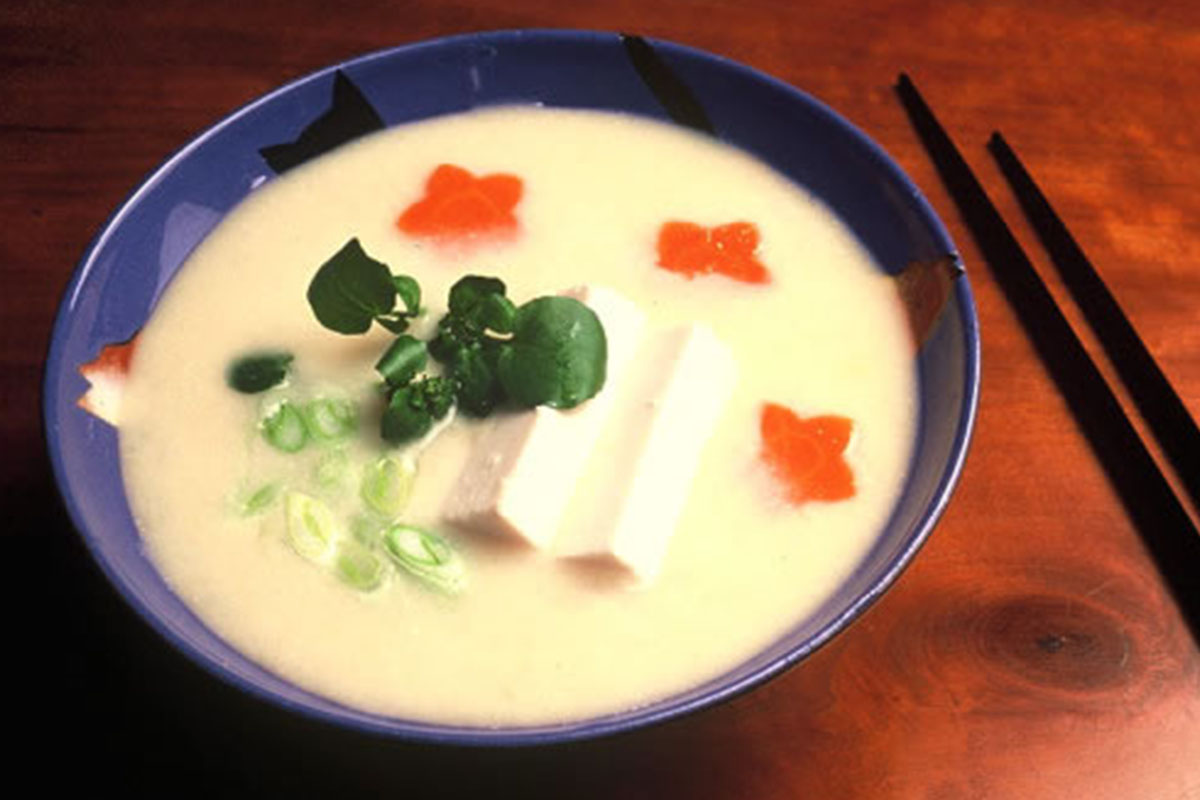
The key to fine miso cookery is not to overpower dishes with a strong miso taste, but to integrate the more subtle aspects of miso color and flavor in a gentle balance with other ingredients. For example, when making miso soup, the use of a kombu, shiitake, kombu-bonito, or vegetable stock helps achieve a full, rich flavor without using a lot miso.
With respect to color, the earthy tones and hearty flavor of dark miso soup with chunky root vegetables and wakame or kale are pleasing during the colder months.
Miso is suitable for certain special uses. In general, miso is a good choice when you are looking for a salting agent, digestive aid, or tenderizer.
As a salting agent, miso supplies much more in terms of flavor and nutrition than plain salt, without salt’s harshness. When substituting miso for salt, add approximately two level teaspoons of dark, salty miso for one-quarter teaspoon salt.
The powerful enzymatic action of unpasteurized miso is a natural digestive aid and tenderizing agent. In the digestive system miso enzymes aid the body’s own resources in breaking down complex food molecules. Foods such as beans, tomato products, and raw tofu may cause digestive discomfort. Miso helps balance and digest these foods.
For the same reason that miso aids digestion, it is also a great natural tenderizer. When used in marinades its enzymes break down the complex molecules of vegetable fiber and animal protein into more readily digestible forms. At the same time its flavor penetrates the marinating foods.
For many people making the transition to natural foods, getting other family members on board can be a challenge, and for families with a commitment to healthy eating, cooking for guests who are not accustomed to this way of eating can be tricky. Miso helps bridge this gap. It brings a depth of savory flavor and a satisfying complexity to simple fare.