

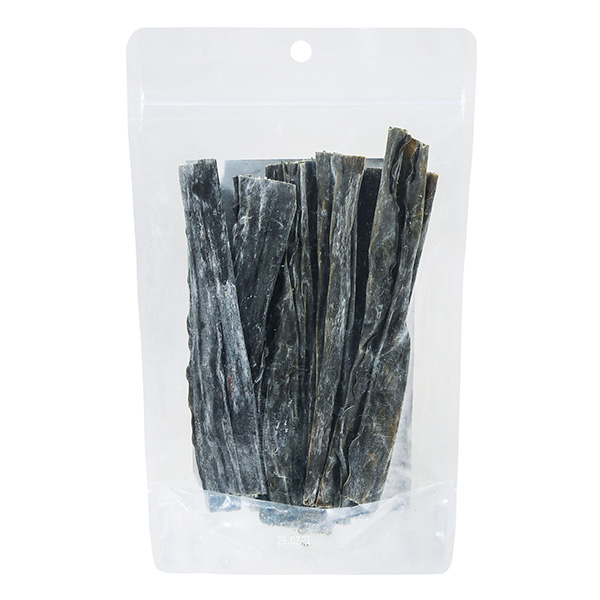
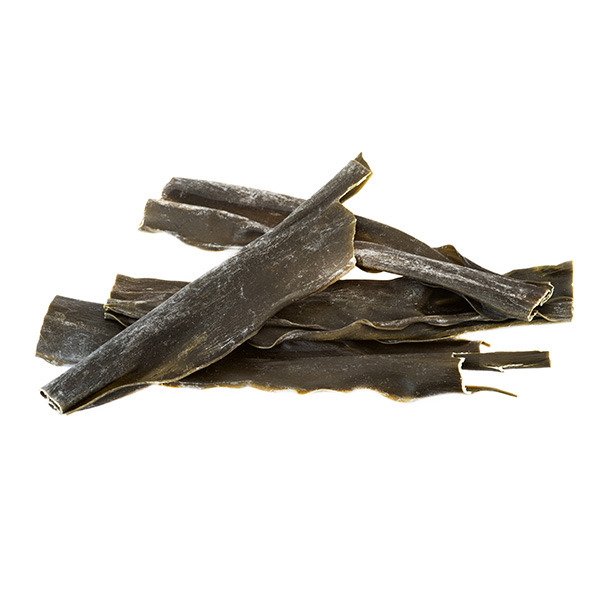
Kombu is harvested only from around July to September, but only on days when the weather is fine enough for the kombu to be laid out to dry naturally under the sun. The harvesters are careful to only pick kombu that is in prime condition: thick, delicious fronds in their second year of growth. Kombu is well-known as an ingredient for dashi, an umami-rich vegetable broth, and is also delicious in soups and stews.
-
Packaging options
Available in 50g bag and 1kg, 10kg, 20kg carton among kombu varieties
-
Making
Kombu, a type of edible kelp, is most commonly used to make dashi stock, and thus plays a key role in Japanese cuisine. These precious algae can be found growing in dense clusters in the cold waters of northern Japan, with about 90% to be found off the coast of Hokkaido.
Kombu grows in shallow seas at depths of 5~7m, absorbing the rays of the sun for sustenance. Over the course of two years, the kombu fronds wither once, then regrow even larger, thicker, and more delicious than before. In the late summer period of this second year of growth, the kombu is finally ready for harvest.
Traditionally produced kombu is dried outside in the open air after being harvested. For this reason, the weather is of great importance. Drawing on many years of experience, the kombu fishermen must carefully observe variations in climate and tidal flow to carry out their work. During the harvest period, which lasts from July till September, the fishermen gather each day at the break of dawn, awaiting the signal to set sail. The leader of the fishermen looks to the skies, and when he judges that the time is right, signals the others with his siren.
With clear blue skies overhead, men and women set out in small boats to gather in the harvest. First, the kombu is cut loose using sharp V-shaped hooks. Being careful not to damage their precious cargo, the fishermen aim for as close to the root as they can, then twist to set the kombu loose. The kombu floats up to the water surface and is gathered using short hooks attached to rods. The fishermen continue this tiring and difficult work until the afternoon, their boats piling high with kombu.
Once harvesting is finished, the kombu is quickly brought back to shore, washed individually by hand, then laid out across the pebbles in single layers to dry slowly in the sun. At night, the kombu must be stored indoors, then taken back outside to dry the following day. This process is repeated until the kombu has dried evenly.
Sun dying is vital to draw out the umami of the kombu. After being dried, the surface will be coated with white crystalized glutamic salts created by the interaction of glutamine amino acids with sea salt. If the kombu is washed under running water, these flavorsome minerals may be lost. Instead, the surface of the kombu should be wiped lightly with a well-wrung damp cloth to remove any dirt before use.



-
How to use
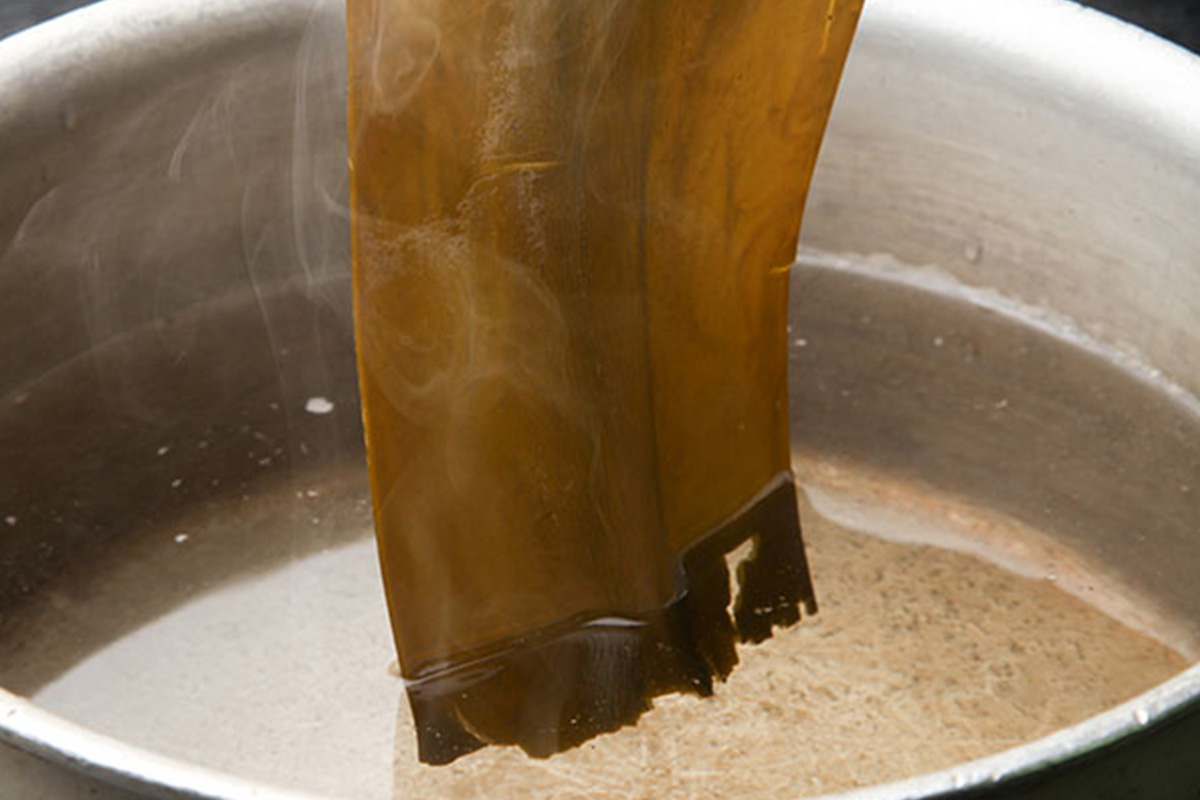
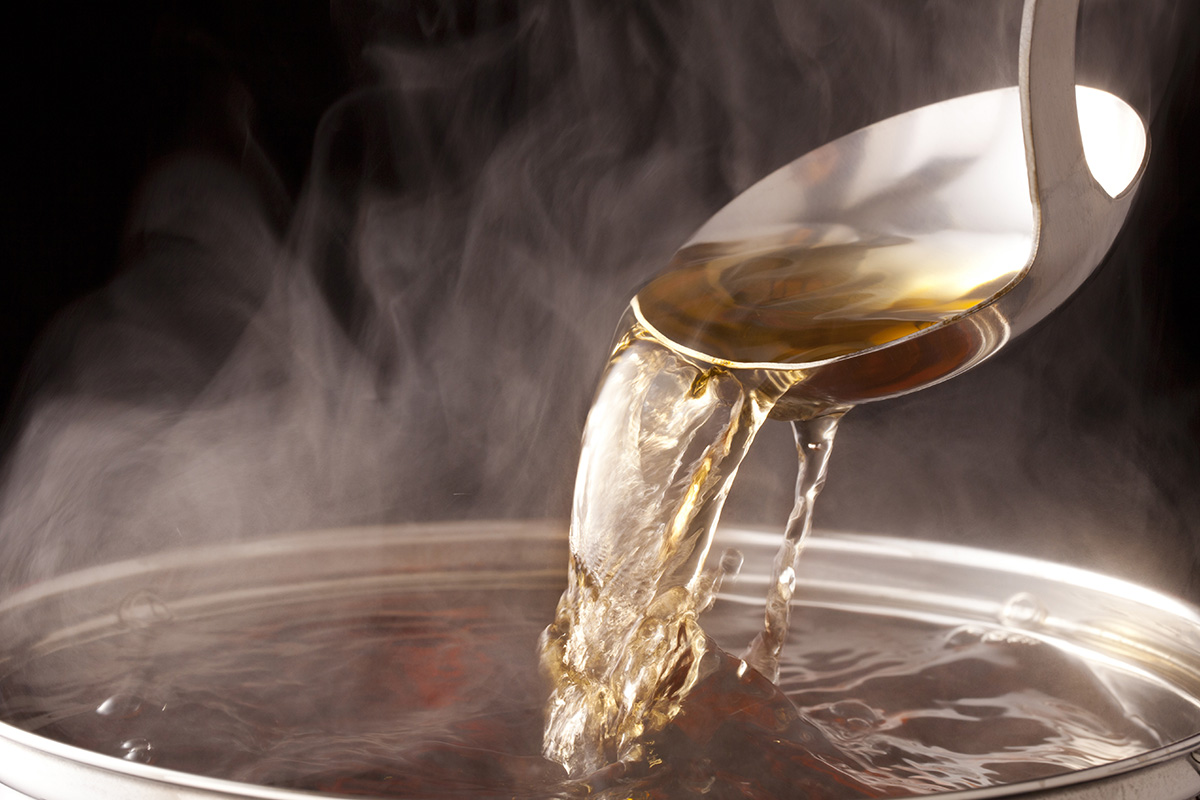
Kombu’s most common and important use is in the preparation of dashi, Japan’s multipurpose broth for soups, stews, and sauces. Dashi appears simple, but it is integral to Japanese cooking, since it is the first step in many traditional dishes and the flavor and quality of the stock help determine the taste of the finished dish.
To prepare, wipe the kombu with dry cloth and soak 15 cm kombu in 4-6 cups of water for 10-20 minutes. Bring to a boil and gently simmer for 5 minutes.
Remove the kombu then the dashi is ready. Kombu is also good when sliced and
used in soups, stews, and vegetable and bean dishes.
There is another way of making kombu dashi – mizudashi , cold brew method. After wipe the kombu, soak kombu strips in a large bottle and let it steep for 2–3 hours or more then it is ready.Kombu is also good when sliced and used in soups, stews, and vegetable and bean dishes. When cooking beans, the addition of kombu is particularly recommended because it helps soften the beans, reduces cooking time, and makes them easier to digest. The Japanese commonly use kombu to enhance the flavor of the brine or mash that is used to marinate various types of pickles. Sometimes, the kombu itself is one of the ingredients to be pickled. Kombu can also be cooked in a seasoned broth, wrapped around pieces of burdock or other vegetables, and then served as hors d’oeuvres.
A nutritious condiment can be made by roasting kombu then grinding it to a powder. First, cut the kombu into small pieces and place in an unoiled skillet over medium heat. Stir the kombu pieces constantly until they become very crisp. Transfer the roasted kombu pieces into a bowl or a suribachi (Japanese grinding bowl), and grind the kombu into a fine powder. Add this powder as a seasoning to soups, or sprinkle it over grains and vegetable dishes before serving.