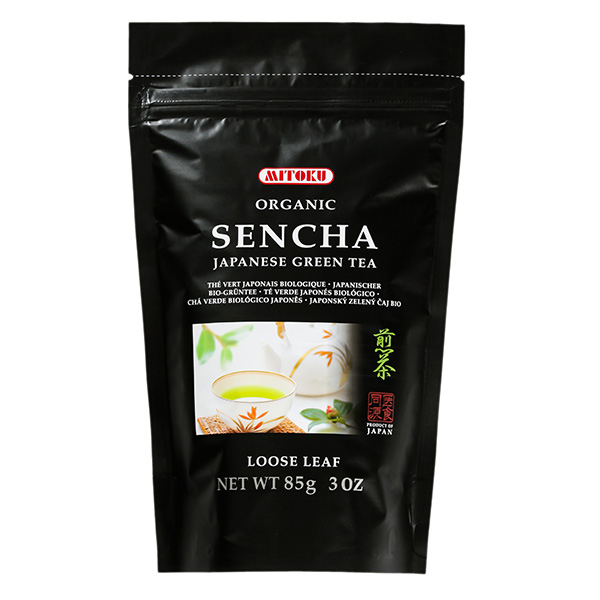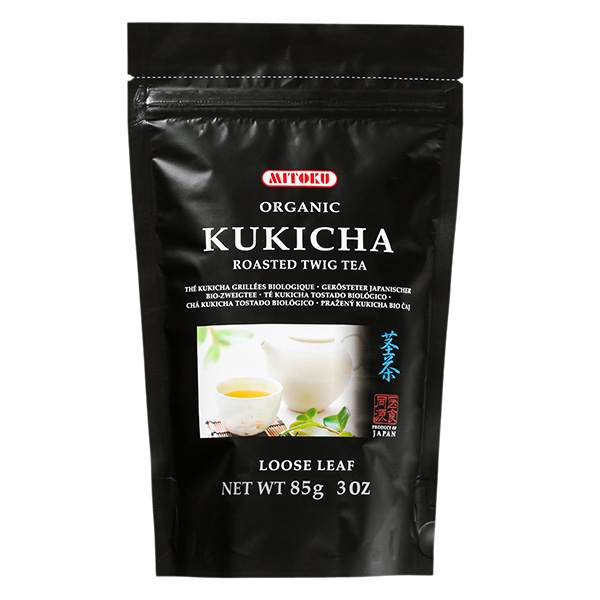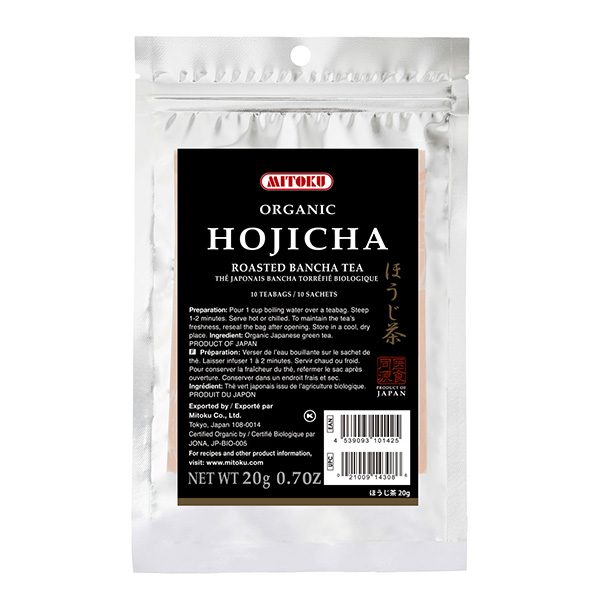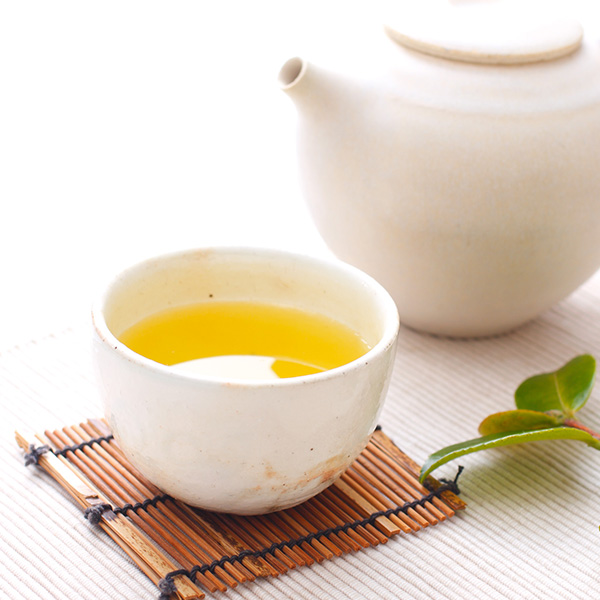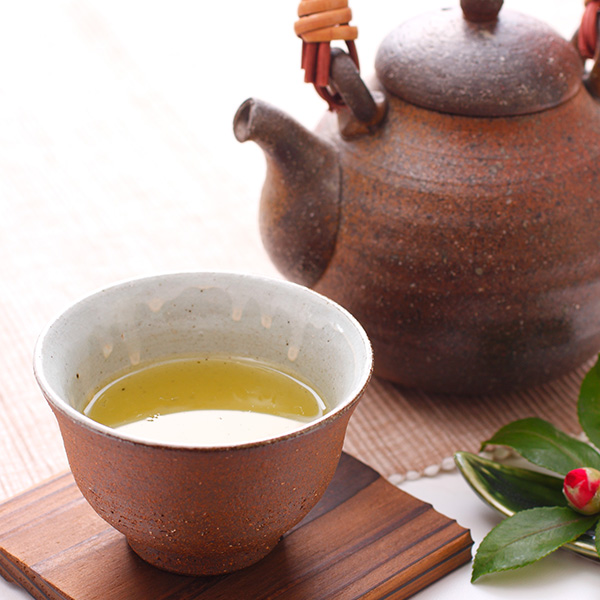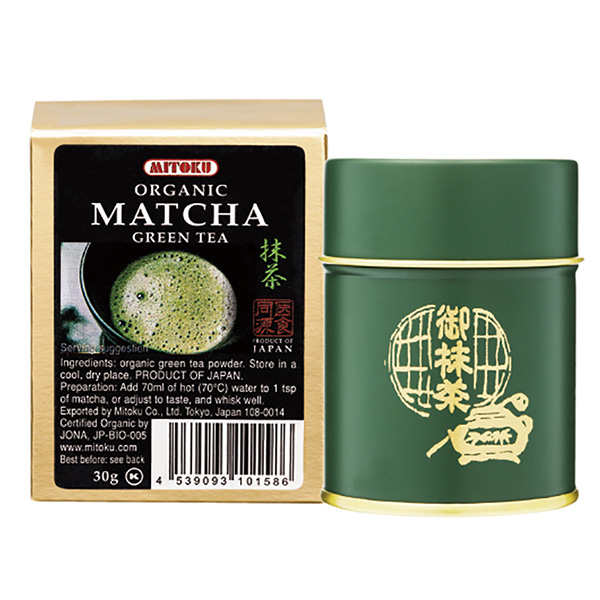

The delicious, soothing taste and the myriad health benefits of Japanese tea have contributed to its recent popularity overseas. Mitoku is contributing to this rise in popularity by offering the wonderful, authentic taste of the finest Japanese tea, grown in selected tea fields by traditional tea makers.
-
A history of Japanese tea
The origins of Japanese green tea date back roughly 1,000 years ago to when monks first brought over tea from China. 500 years later, a cultivation technique by which the tea plants were shaded before harvesting was developed in order to produce tea with a more vivid color and richer umami. This resulted in the development of matcha green tea, perhaps the most highly renowned of all Japanese green teas.
From the late 15th century to the late 16th century, tea masters such as Sen no Rikyu (1522-1591) developed a new kind of tea ceremony known as wabicha. This style of tea ceremony gained a strong following among the samurai and wealthy classes, and is the origin of the tea ceremony practiced today. Japanese green tea is closely intertwined with Japanese culture as a whole, and the tea ceremony is frequently held up as the most refined expression of Japan’s traditions and spirit of hospitality. When the host serves tea, they cherish the encounter with each of their guests. To demonstrate this, the tea is brewed with the greatest of care according to strict rules of etiquette, so that the guests may enjoy their fine tea in an atmosphere of serene relaxation.
In recent years, Japanese green tea has become extremely popular internationally. Both the delicious taste and the myriad health benefits of Japanese tea have contributed to this rapid increase in consumption overseas. Green tea is now becoming firmly established as a healthy alternative to coffee and black tea. Mitoku is contributing to this rise in popularity by offering the wonderful, authentic taste of the finest Japanese tea, grown in selected tea fields by traditional tea makers, to the discerning international market.