
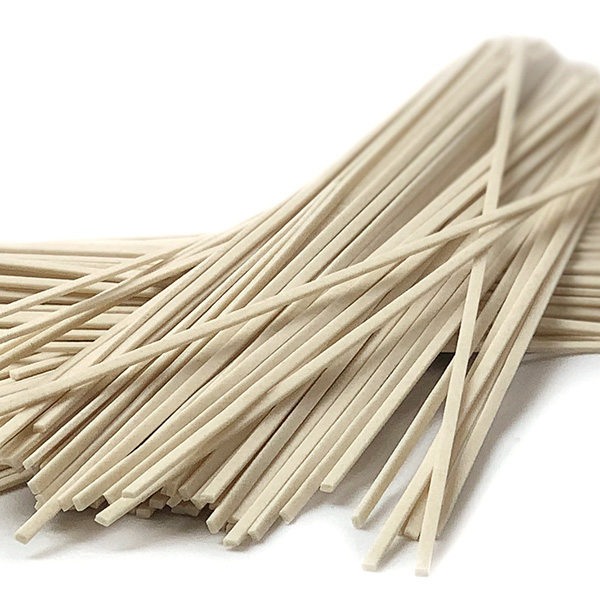
There are a wide variety of Japanese noodles, including those made from wheat (udon and somen) and buckwheat (soba). Made without using eggs, they are light and easy to digest, as well as being quick and easy to prepare, delicious, and satisfying.
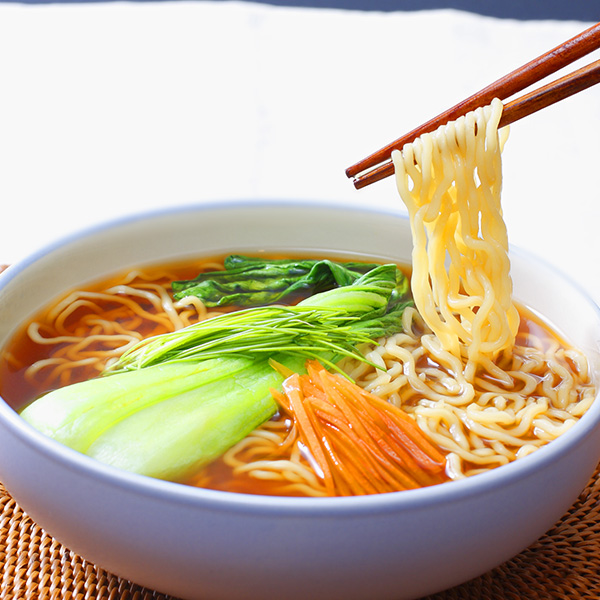
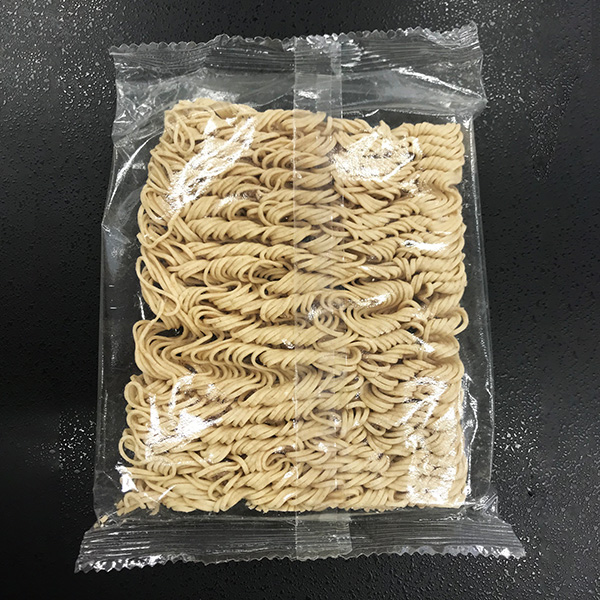
In addition to these traditional Japanese noodles, Mitoku now offers handy and wholesome ramen noodles and healthy shirataki noodles, in response to their global popularity.
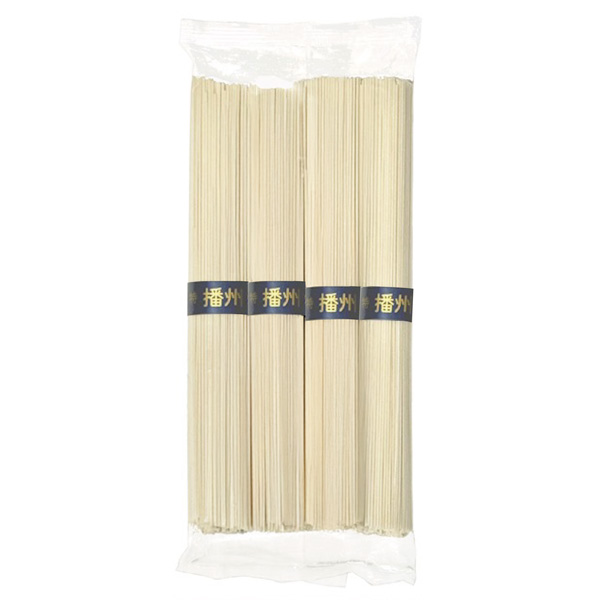
Dried Noodles
All Japanese noodles are traditionally hand-made and the taste and texture of fresh hand-made noodles is hard to beat. Taking inspiration from these traditional methods, Mitoku’s noodle makers are small scale operations that aim to replicate the simple and uncomplicated process of hand making noodles as closely as possible.
Shirataki Noodles
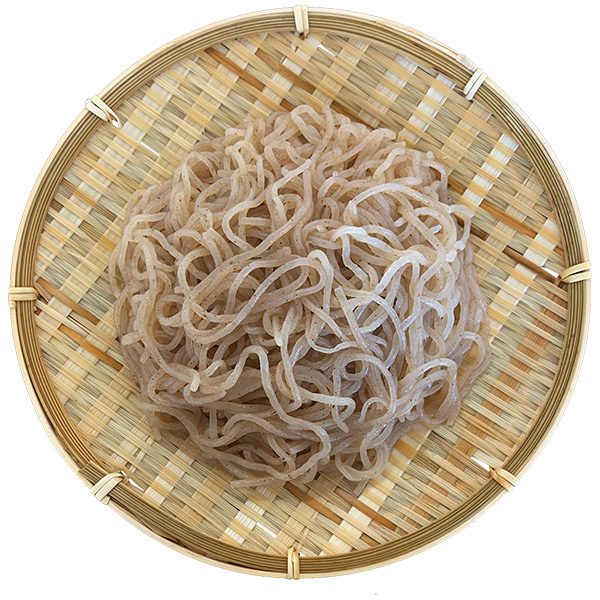
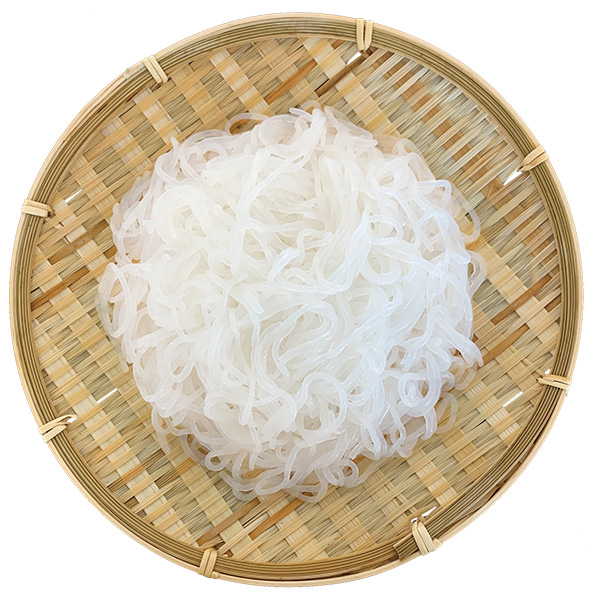
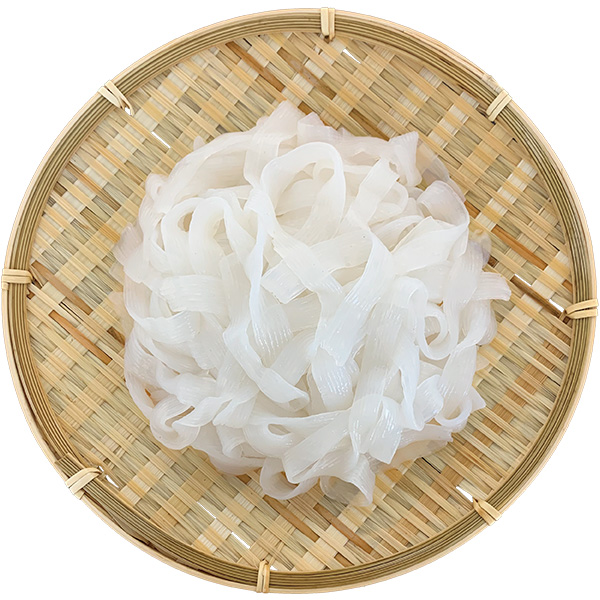
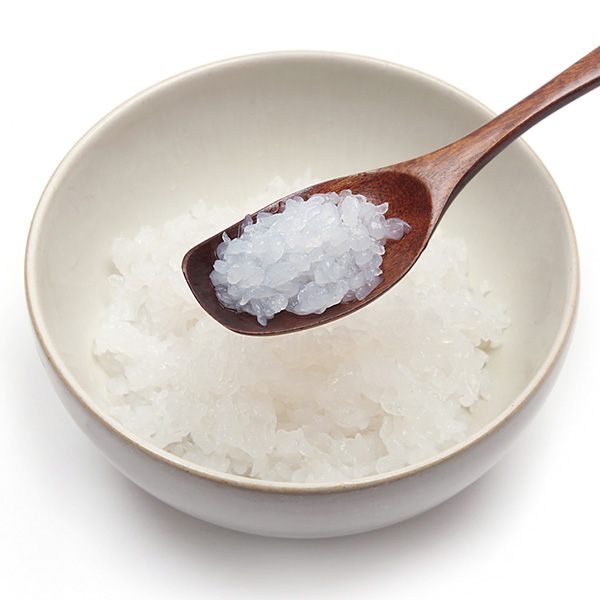
Shirataki is a type of Japanese noodle made from fiber derived from the tuberous root of the konjac plant. These noodles, which are typically long and thin with a translucent white or brown color, have long been a feature of Japanese cuisine. More recently, shirataki noodles have gained in popularity as a replacement for other types of noodle such as spaghetti. This is because these noodles tick all the boxes when it comes to healthy eating, being fat-free, low-carb, and low in calories. In addition, shirataki noodles are great at absorbing flavors and add a unique texture to dishes, making them a great addition to any cook’s repertoire.
*Mitoku’s Organic Shirataki comes in packets containing a watery liquid that needs to be drained and rinsed off before the noodles are used.