


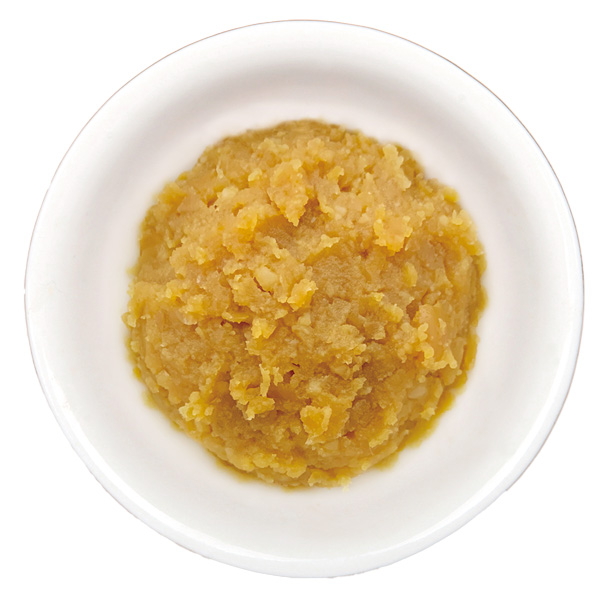
 This tasty and nutritious addition to our miso range replaces soybeans with organic chickpeas, resulting in an unpasteurized miso that is loaded with
active enzymes while soybeans are not on the ingredient list. This nourishing miso has a crisp texture and appealing color, with a well-balanced flavor combining sweet notes with salty.
-
Packaging options
Available in 300g tub and 20kg bulk carton
-
Making
This miso producer has long been focusing on delicate unpasteurized miso over three generations. Therefore their delicious miso is made with great care using selections of quality ingredients at a perfect location for miso making – a basin surrounded by mountains with underground water flowing from the Japanese Alps, large temperature differences, and low humidity.
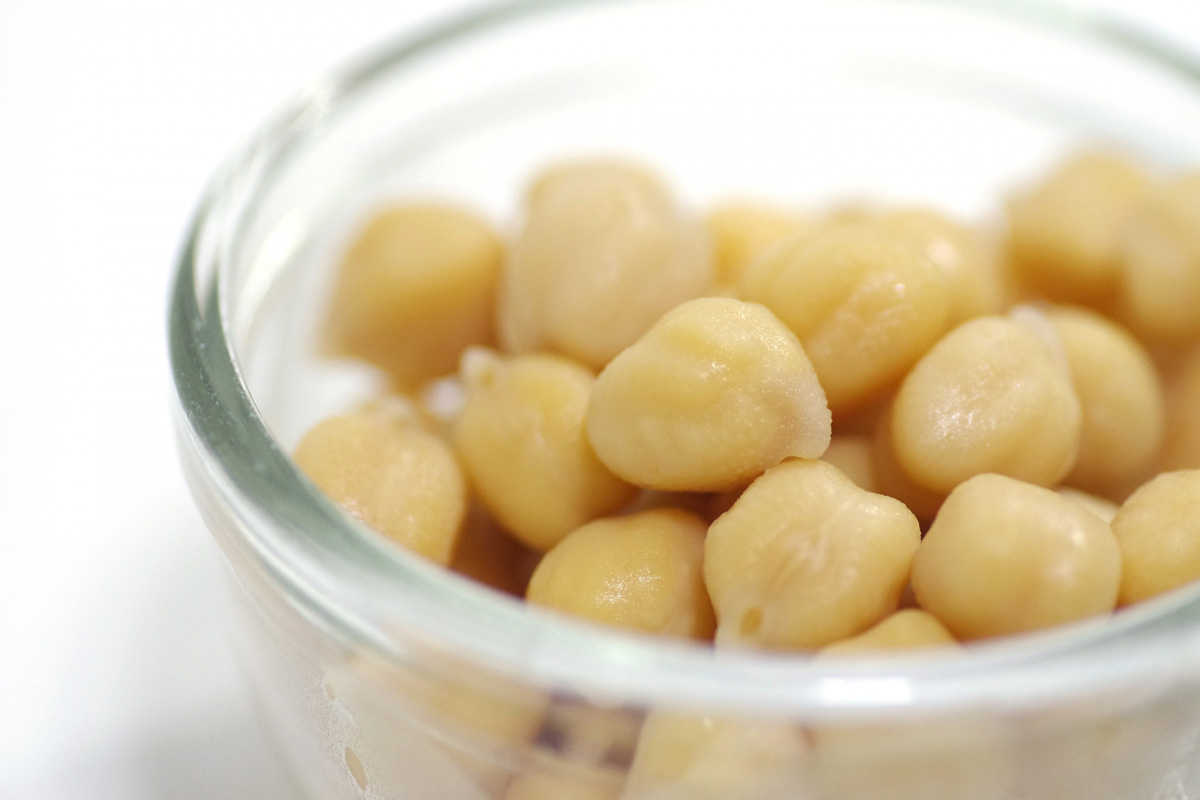
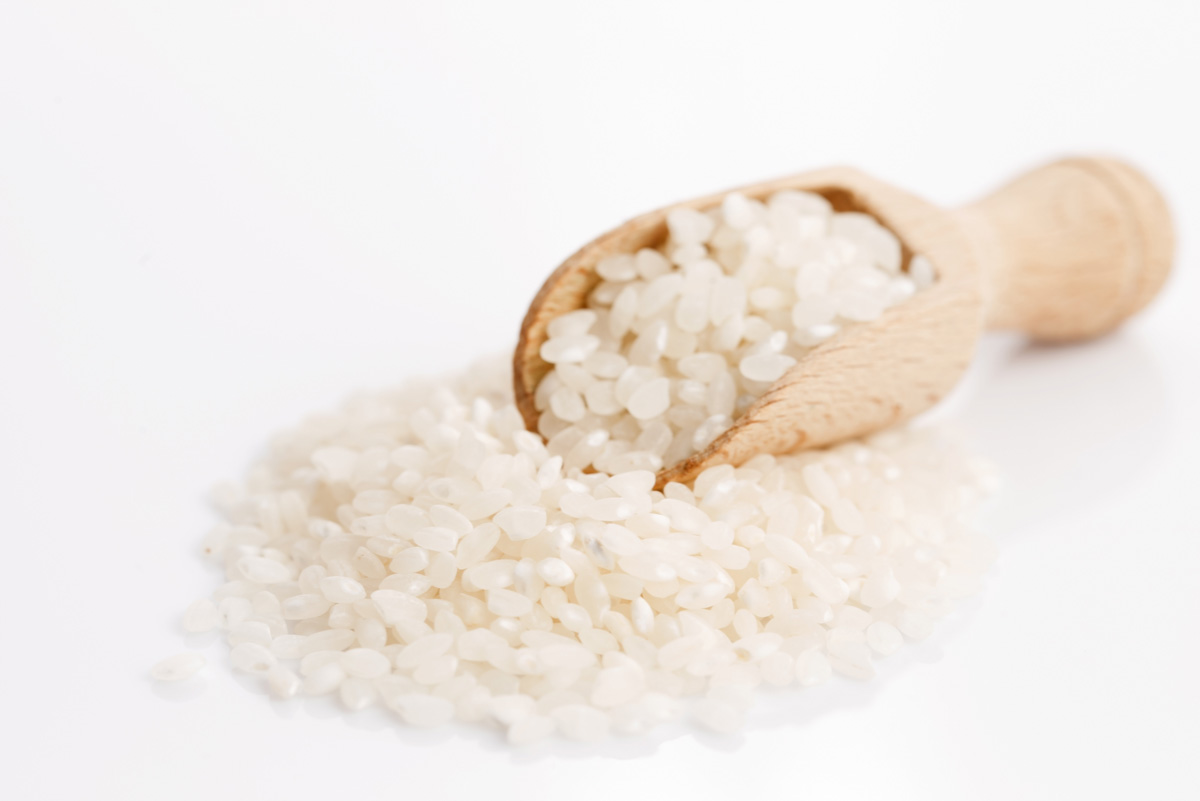
Unlike traditional soybean miso, this chickpea miso is made from mashing chickpeas instead of soybeans, mixing rice koji, salt, and water, and then leaving the mixture to ferment and mature.
The vats or warehouse provide the environment for microorganisms to propagate and for the enzymes in the koji to get to work on breaking down the chickpea. For the first 20 – 30 days, the mixture is churned to give a boost to the good bacteria in the mixture, which supplement the activity of the enzymes, and ensure that the mixture ferments evenly. Its fermentation period is several months relatively short in comparison with other dark varieties.




-
How to use
This chickpea miso can be enjoyed exactly the same way as traditional miso. It is also incredibly versatile as to make traditional miso soup to hummus dip, dressings or stews.
Miso is also suitable for certain special uses. In general, miso is a good choice when you are looking for a salting agent, digestive aid, or tenderizer.
As a salting agent, miso supplies much
more in terms of flavor and nutrition than plain salt, without salt’s harshness. When substituting miso for salt, add approximately two level teaspoons of miso for one-quarter teaspoon salt.The powerful enzymatic action of unpasteurized miso is a natural digestive aid and tenderizing agent. In the digestive system miso enzymes aid the body’s own resources in breaking down complex food molecules. Foods such as beans, tomato products, and raw tofu may cause digestive discomfort. Miso helps balance and digest these foods.
For the same reason that miso aids digestion, it is also a great natural tenderizer. When used in marinades its enzymes break down the complex molecules of vegetable fiber and animal protein into more readily digestible forms. At the same time its flavor penetrates the marinating foods.