

Full-bodied, wheat-free soy sauce made from the authentic 500-year-old Japanese recipe and aged in cedar vats for two summers. This time honored recipe uses only half as much water as a typical modern soy sauce, resulting a rich, concentrated Tamari. The addition of Miikawa Mirin, Japan’s finest rice “brandy”, not only provides a natural preservatives but also contributes the deep and rich taste.
-
Packaging options
Available in 150ml, 500ml bottles, 200L drum, 1000L IBC
-
Making
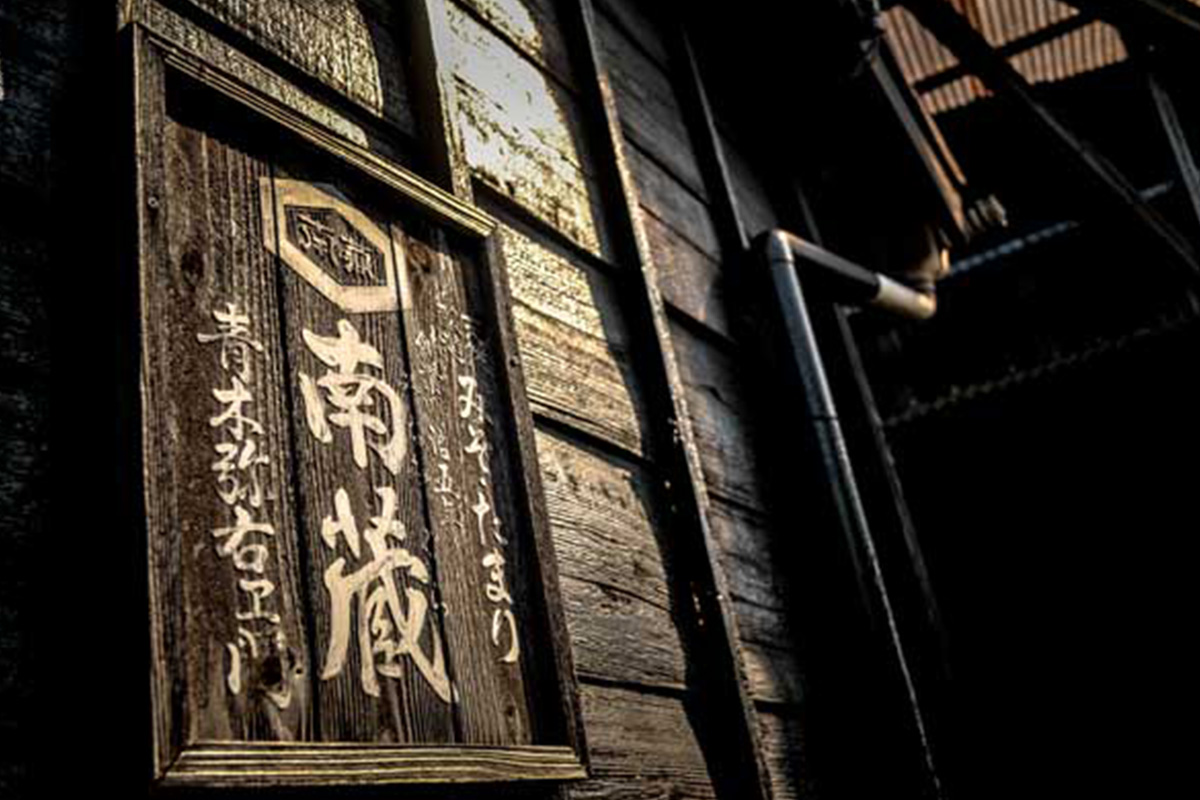
The Minamigura Aoki Yaemon Company, founded in 1871, has been a Mitoku supplier for many years. Located in Taketoyo, Aichi Prefecture, a small town renowned for its traditional tamari, they are one of just a few local producers that have survived until the present day.
This family firm is currently headed by its 5th generation president, Yoshio Aoki, also known by his inherited title of “Yaemon”, who continues to use time-honored methods of production, passed down through the generations, to ensure that Yaemon Tamari tastes just as it always has done.
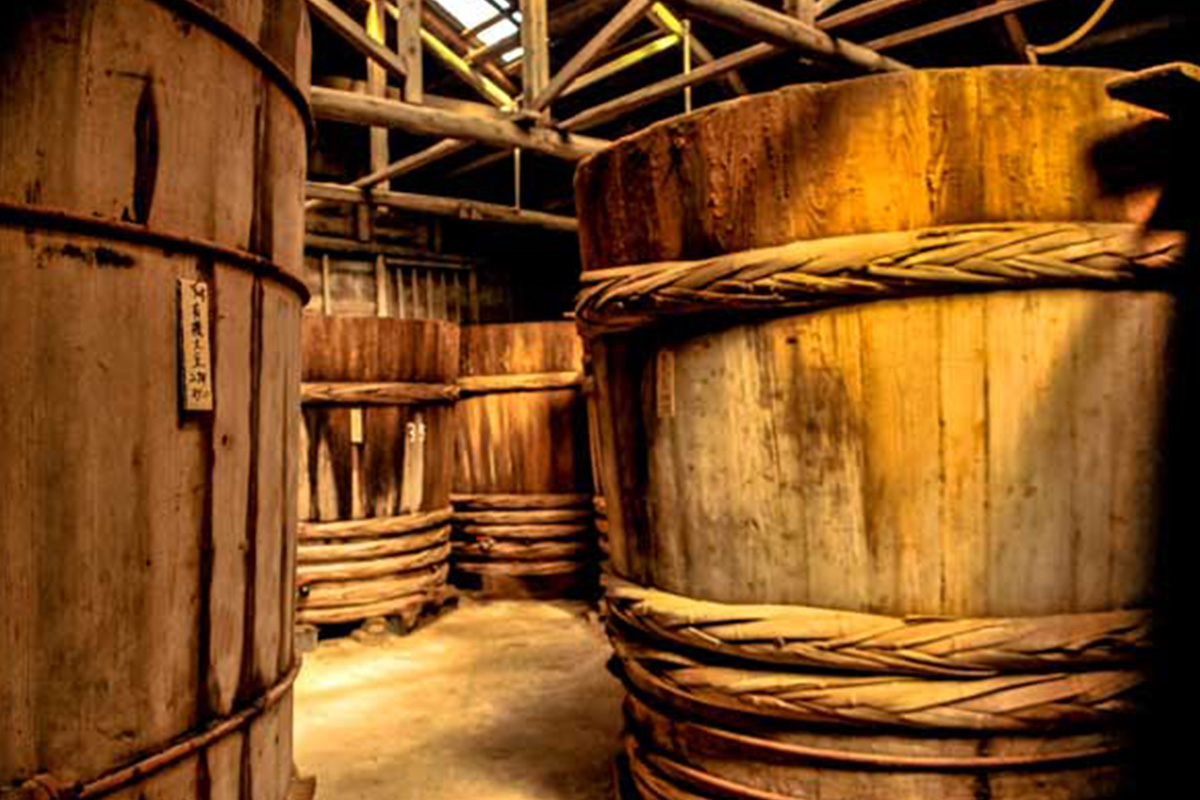
Inside their storehouse, in use since the company was founded, you will find rows of towering 150-year-old cedar vats full of thick, rich tamari. The air here is filled with the heady aroma of fermenting soy sauce, and, if you listen carefully, you may be able to hear the sound of the bubbling brew, particularly on hot summer nights.
Koji-making is everything to Yaemon Tamari
One the most crucial elements in the production of traditional tamari is koji (Aspergillus oryzae), the quality of which will play a key role in determining the taste of the final product. This powerful yet delicate microbial culture requires optimum conditions to thrive, and creating the right environment is a task for experienced brewers, who must monitor each stage of the koji-making process carefully to ensure the quality of the finished product.When conditions are suitable, the koji makers begin each day by soaking choice organic soybeans in water. The next morning, the swollen beans are placed in a one-ton capacity steamer. After cooking, the soft beans are crushed into tiny balls called miso dama. These balls are dusted with a mixture of Aspergillus spores and roasted soy flour, then placed in a special room to incubate for about three days.
During this time, the temperature and humidity of the incubation chamber are carefully controlled. Once the sweet smelling, fluffy, pale yellow balls of koji are ready, they are removed from the incubator and placed on bamboo mats to dry for two weeks. Minamigura are the only tamari company that uses this unique drying process, which, according to Yaemon, is what gives their tamari its extra thick, rich quality and concentrated flavor.
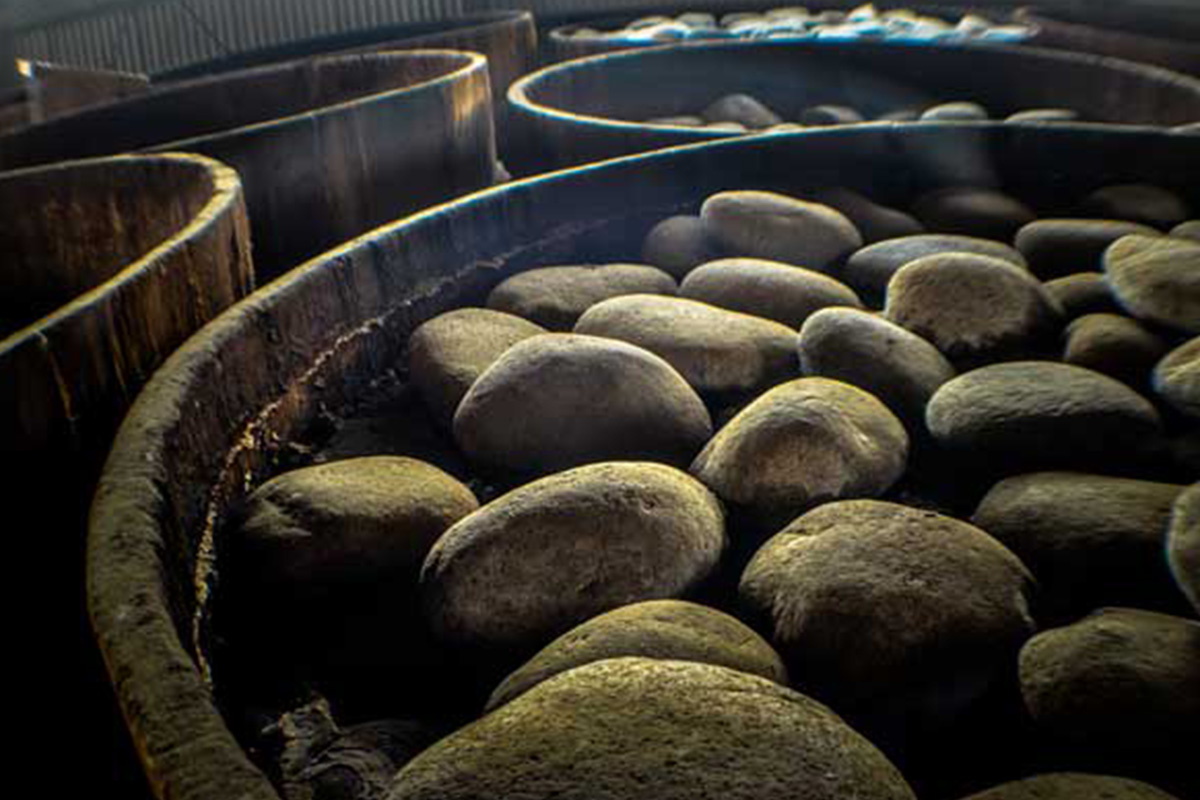
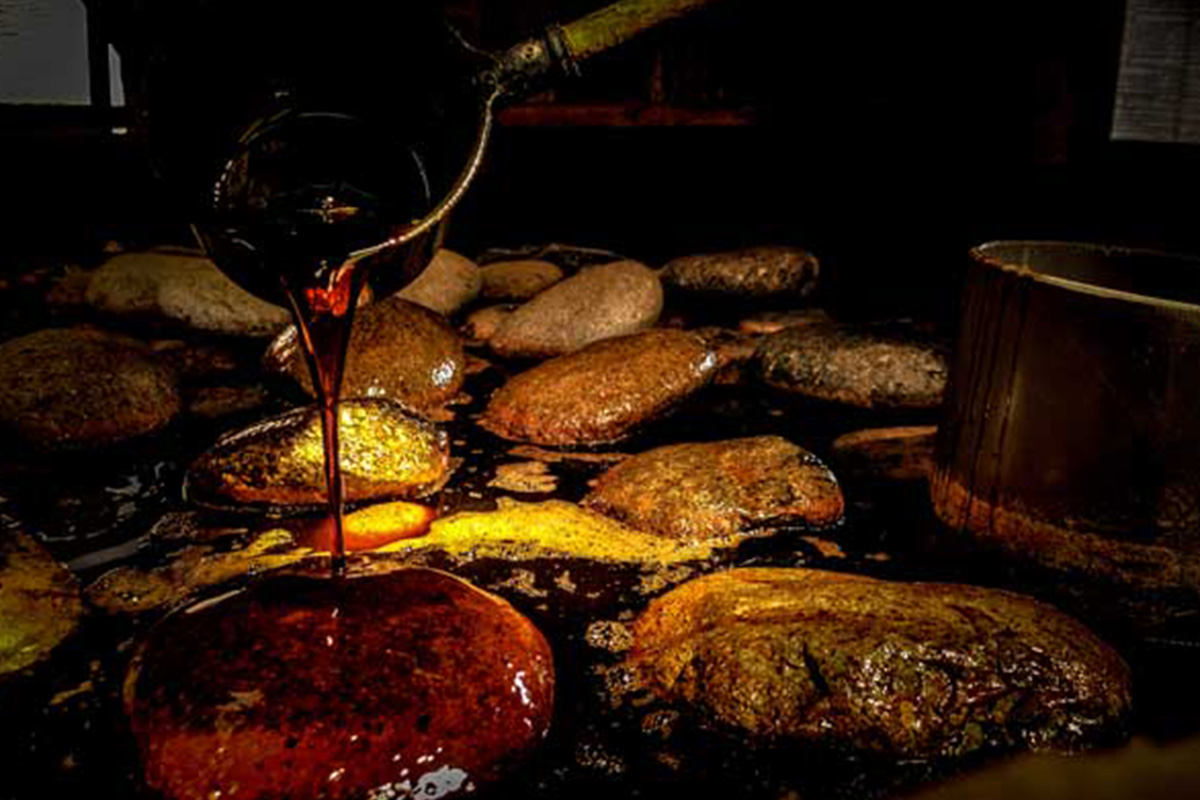
The koji is placed in the cedar vats together with salted water to form a fermenting mash called moromi. Then 1,000 pounds of river stones are placed on top of the vats to weigh them down. The next step is to ensure that the koji absorbs the salt water evenly, which is done using a process called kumikake. Because the moromi is closer to a solid than a liquid, it is hard to churn by hand. For this reason, the vats are equipped with a cylinder running from top to bottom. The liquid that pools at the bottom of the vats is scooped up and poured back over the mixture from the top in a process similar to basting.
Kumikake, which requires a great deal of physical strength and patience, is performed three to forty times daily for the first two weeks after the koji and salted water are mixed, then once every three days or so for the following two weeks. From the second month onwards, the process is only carried out frequently enough to prevent the surface of the mixture from drying out. With maturation well under way, it is at this point that nature is allowed to take over.
The mixture is left to mature over two summers in the natural conditions of the storehouse, just as it has been for more than a century. During the long aging process, the enzymes from the koji and naturally occurring yeasts and bacteria that inhabit the building slowly break down the moromi, transforming the complex carbohydrates, proteins, and oils of the soybeans into sweet sugars and flavorful amino acids and fatty acids. The mature fermented moromi is then placed in cotton sacks and pressed under great force to extract its dark liquid, a mixture of tamari and crude soy oil. The oil, which rises to the surface, is removed. Then the tamari is finally ready for settling and bottling. The entire manufacturing process takes about eighteen months. No chemical preservatives are used.
-
How to use
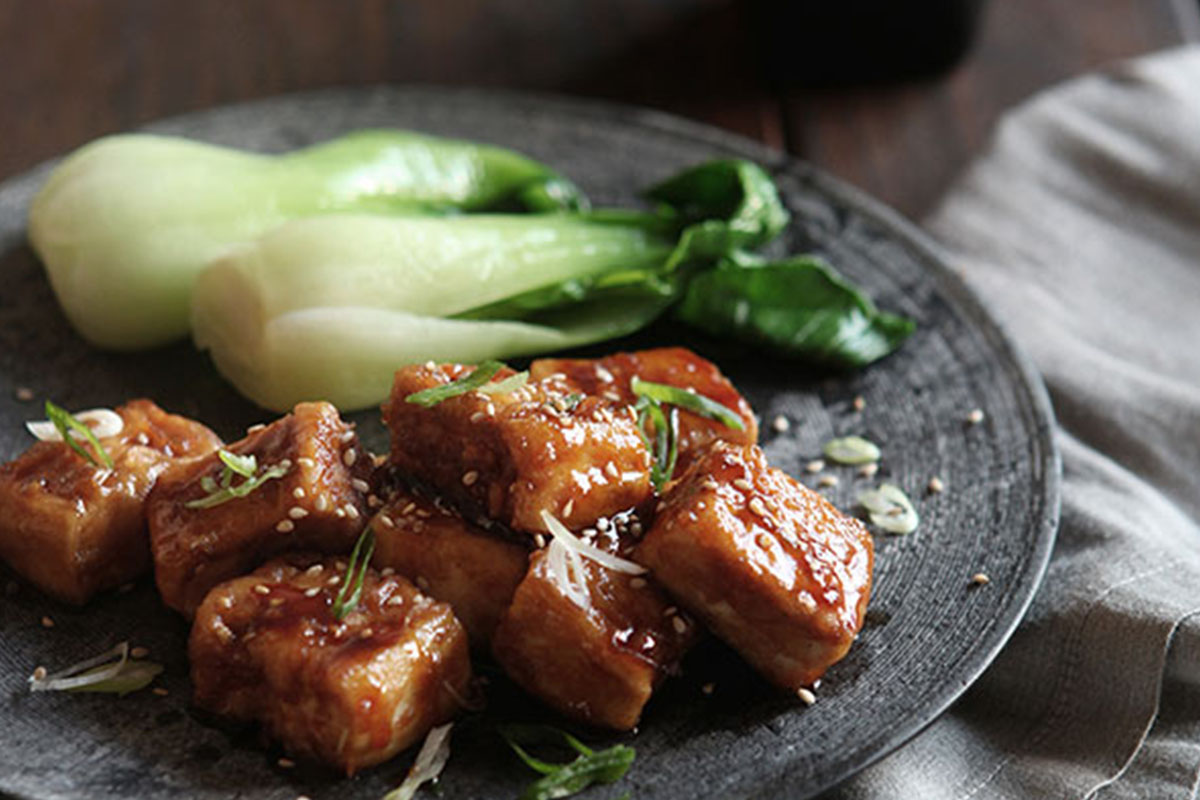
Tamari is a uniquely delicious, versatile seasoning that adds immeasurably to the flavor of soups, sauces, vegetables, dips, and entrées. Making tamari is an expensive, time-consuming process. However, because tamari is made with 100% whole soybeans, it is highly concentrated, so a little goes a long way. Reduce the amount of soy sauce called for in a recipe by about 25% when cooking with Mitoku Tamari.
Unlike shoyu, which derives much of its flavor from the natural alcohol produced by wheat fermentation, tamari’s rich flavor comes from its abundance of amino acids, which are derived from soy protein. Because amino acids are not volatile, they don’t evaporate the way alcohol does. This makes tamari the better soy sauce to choose when lengthy cooking is required. Tamari also contains more flavor-intensifying glutamic acid than shoyu. Bland foods like shiitake mushrooms and tofu are enhanced when simmered in a seasoned liquid. For dishes that require this long-simmering process, tamari is the preferred seasoning.