

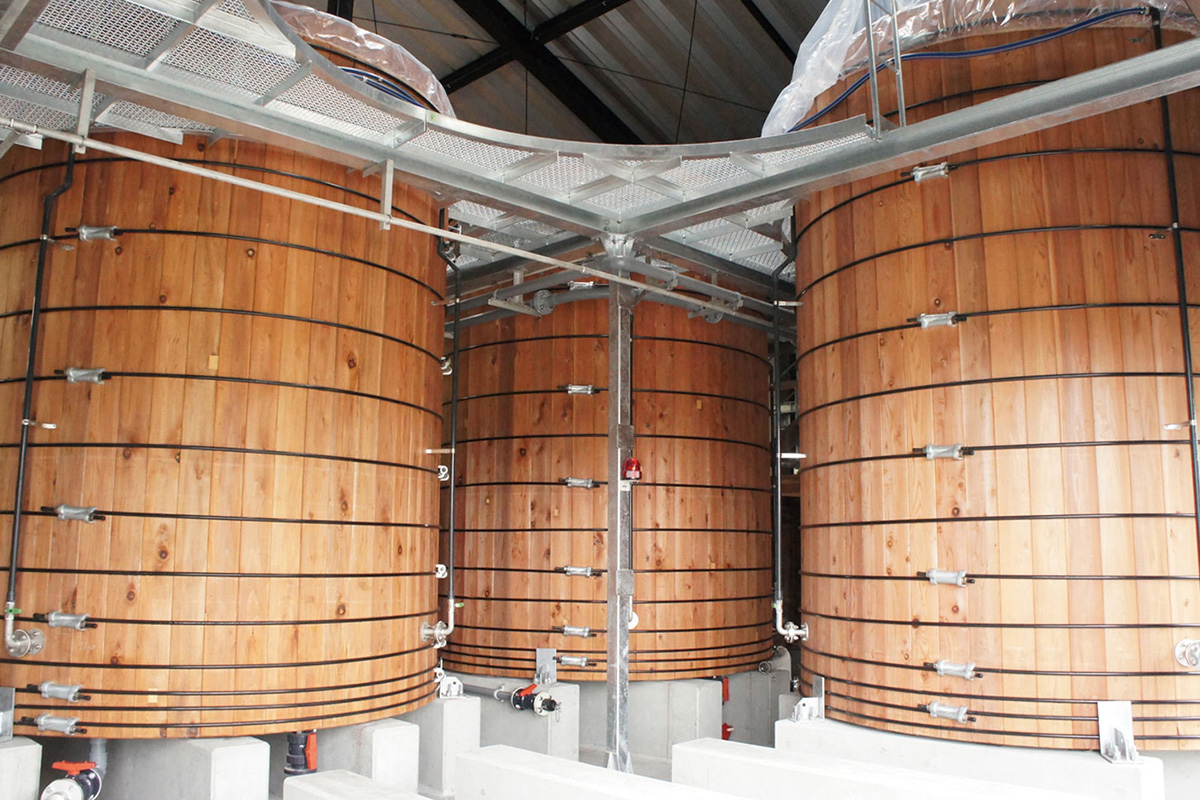
Dedicated to traditional soy sauce making, this soy sauce is made with carefully selected ingredients. Using the traditional methods and aged in the state-of-the-art, 13-Feet-High wood casks, the result brings fresh and savory flavors.
-
Packaging options
Available in 200ml, 500ml and 900ml bottle and 1000ml IBC
-
Making
Mitoku’s shoyu is made with just four simple ingredients: whole soybeans, whole wheat, salt, and water. Through fermentation, these ingredients are transformed into a delicious seasoning with an appetizing aroma and deep, rich color. Each ingredient plays its own special role. The protein content of the whole soybeans supplies umami, while the whole wheat gives the sauce its sweetness and distinctive fragrance. The salt works to protect the shoyu from bacteria during fermentation. Pure, fresh water is also required to produce a good quality sauce.
Traditionally produced shoyu is the result of a series of carefully controlled processes, namely preparation, koji-making, fermentation, maturation, pressing, heating, filtering, and bottling. Some of the key processes are outlined below.
Koji-making
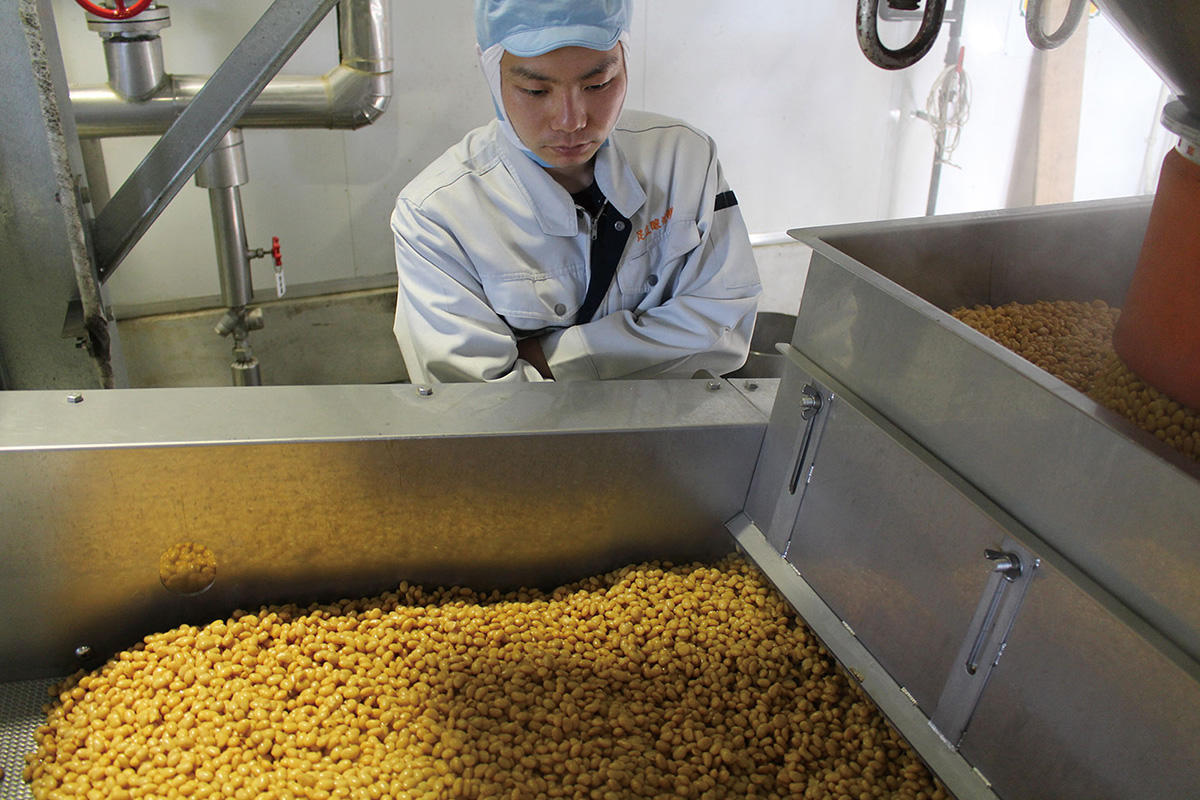
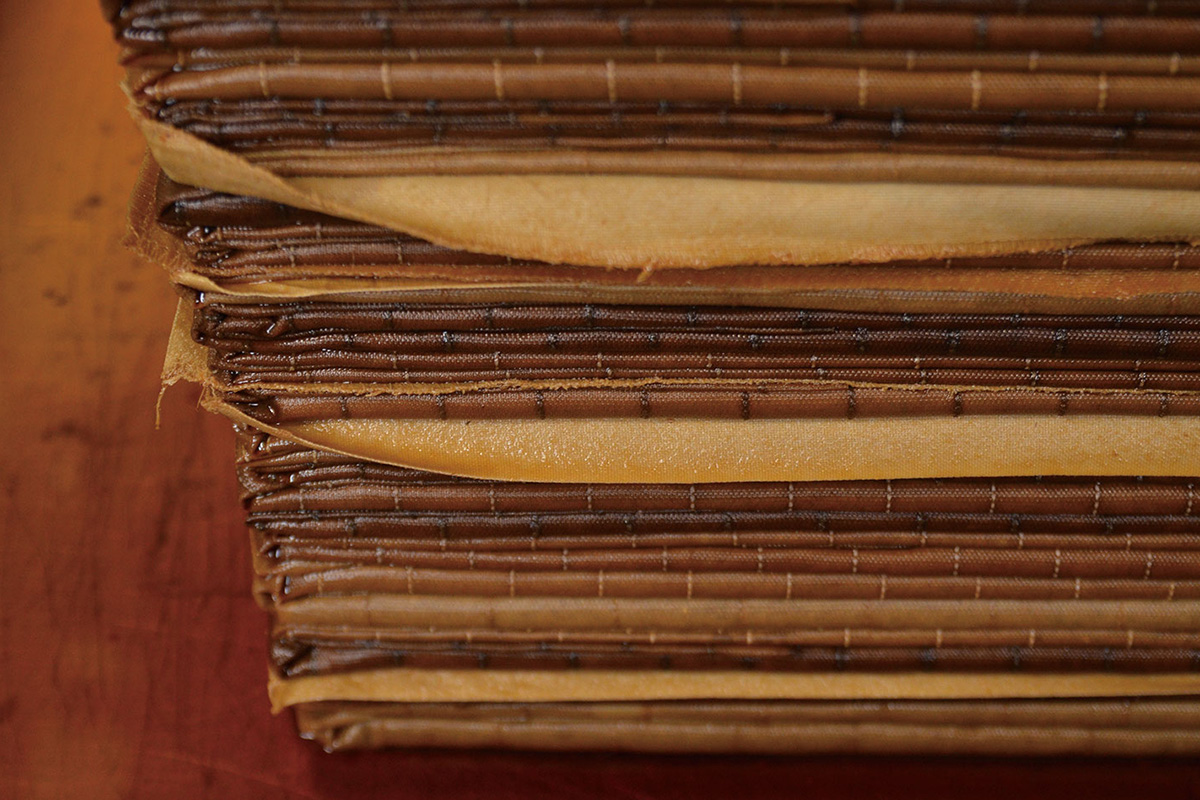
This stage is perhaps the most critical, as it will shape the taste and quality of the entire batch. You cannot make good shoyu without good koji.First, whole soybeans are soaked in water, then steamed. The producers must rely on their years of experience to determine the optimal volume of water and degree of steaming. Once steamed, the soybeans are mixed with roasted wheat, inoculated with the koji spores (Aspergillus oryzae), and stored in a special incubation chamber for a few days to allow the culture to propagate. The temperature and humidity of the room is carefully monitored and controlled to ensure that the resulting koji is fit for its task, which is to kick-start the fermentation process.
Fermentation and maturation
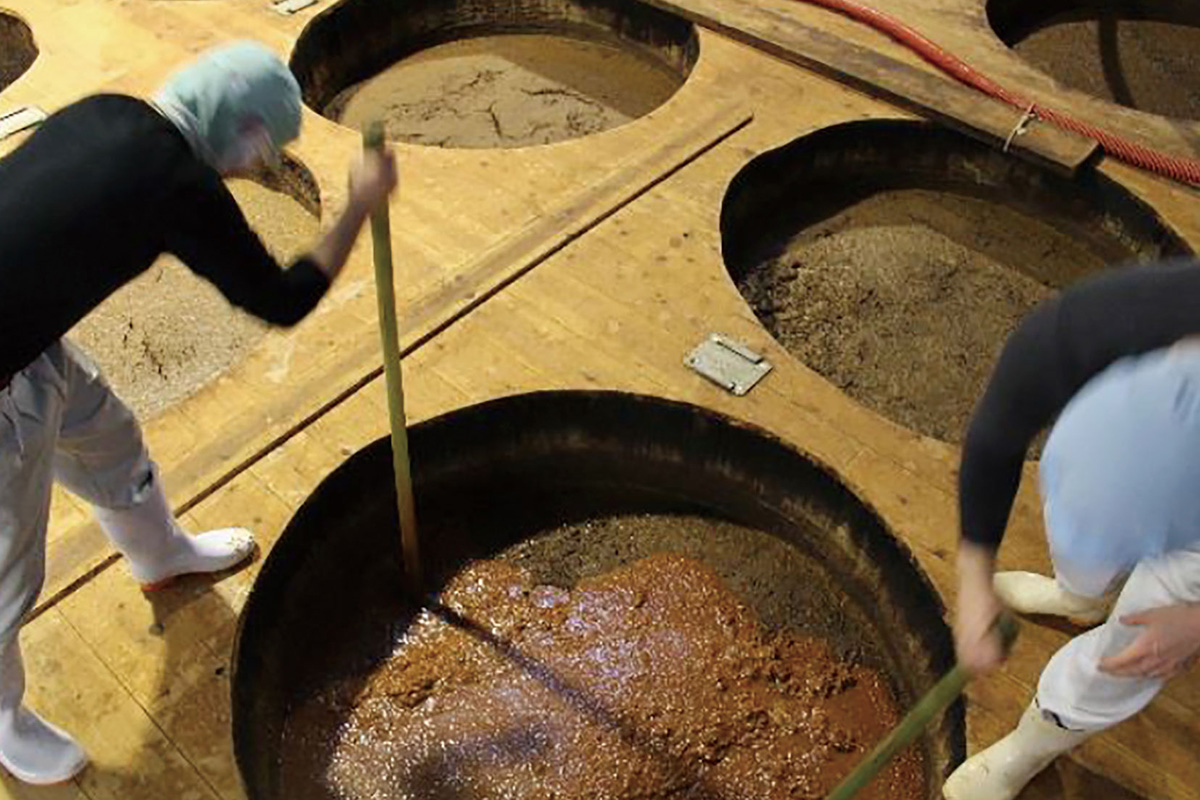
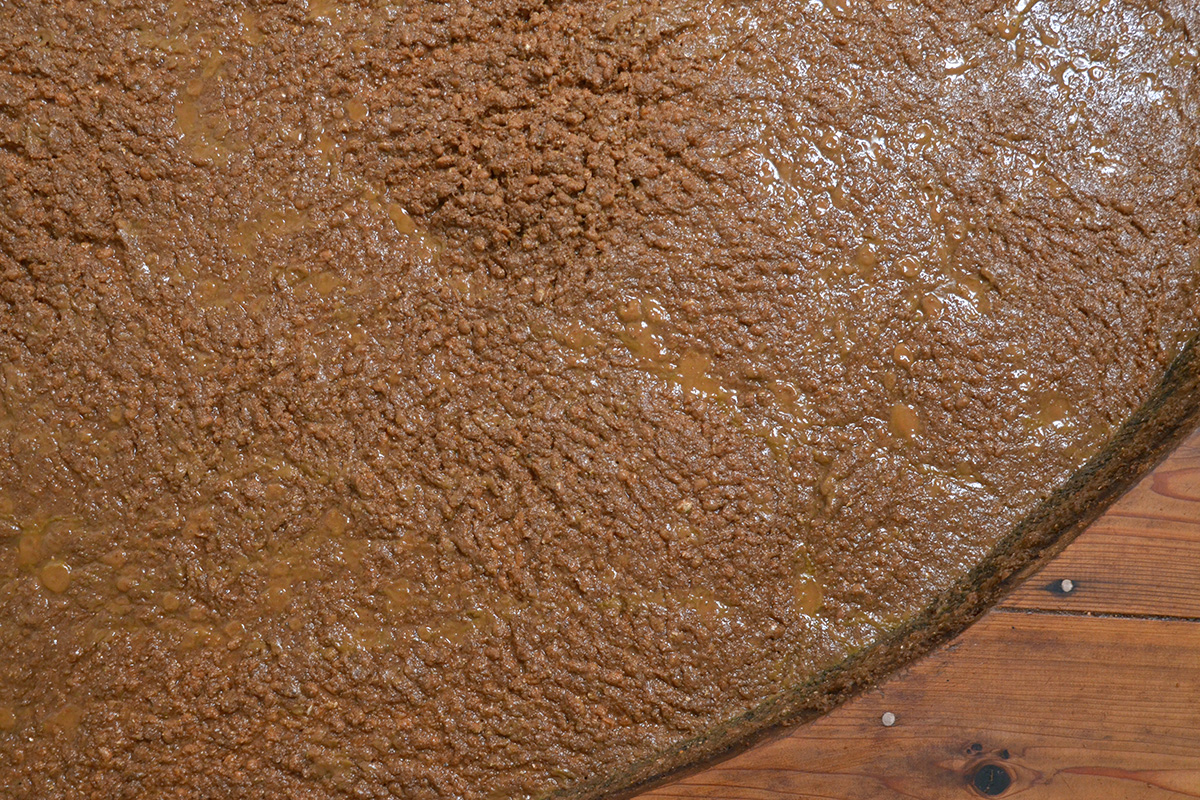
The next stage is to transfer the koji to large wooden tanks and add salted water. The salt halts the propagation of the koji, and instead the enzymes generated by the koji get to work on breaking down the whole soybeans and whole wheat. The fermentation environment is rich with microorganisms, including lactic acid bacteria and yeast, and each of these also plays its role in the fermentation process. With the ingredients now broken down, the shoyu is left to mature, allowing it to slowly develop the rich flavor, deep color, and complex aroma that is characteristic of Mitoku Shoyu.Since living microorganisms drive this stage of production, the shoyu can differ slightly from batch to batch. Consistency can be achieved, however, through the expertise of the producer. This can be done, for example, by deciding when the mixture should be stirred, a process that supports the work of the microorganisms, and by keeping a watchful eye on the mixture, making adjustments according to changes in weather or temperature. The exact length of the fermentation and maturation process will depend on the producer’s judgement. Once the batch is considered ready, the sauce is pressed, heated, filtered, and finally bottled.
-
How to use
Traditional shoyu can serve to enhance and deepen flavor in any type of cooking.
This versatile condiment can be used with any cuisine at any stage of cooking, be it preparation, during cooking, or at serving, bringing an appetizing aroma, depth of flavor, and color to almost any dish. This is down to shoyu’s unique balance of the five basic tastes: sweet, sour, salty, bitter, and umami. This balance comes from the sauce’s base ingredients and the long process of fermentation and maturation.
In general, when using shoyu to season foods, it should be added only during the last few minutes of cooking. Brief cooking mellows the flavor and enables it to blend with and heighten rather than dominate other flavors in the dish. Adding a little shoyu to simmered dishes, for example, results in great depth of flavor. In longer cooking, shoyu’s complex, delicate taste and slightly alcoholic aroma is lost. When using shoyu to season soups or sauces, add just a little sea salt early in the cooking to deepen and blend the flavors of the ingredients, then add shoyu to taste shortly before serving.
Shoyu is also used to improve dishes when they are lacking in intensity. For example, adding a splash of shoyu even to a ready-made curry, tomato sauce, or soup will take the dish to another level. The aroma of shoyu is made up of several hundred different aromatic components, adding complexity to whatever dish it is used with. This is particularly the case for stir-fried, grilled, and barbequed dishes. The aroma of shoyu is heightened when the sauce is warmed, becoming even more distinctively flavorsome. It is important that shoyu is only added at the very end, to avoid burning off this aroma.
Another property of shoyu is its ability to mask odors from other ingredients. This odor-neutralizing quality is the reason why shoyu is used as a dipping sauce for sashimi.
Shoyu is also great as a flavor enhancer for marinating, pickling, and sautéing.