

Naturally fermented for at least two years in 200-year-old cedar casks under the pressure of three tons of river rocks, Hatcho miso is the richest and heartiest miso variety. It has a distinctive astringent flavor and deep color, is very rich in protein, and has a mellow saltiness on the palate. Named “Hatcho” after the town in which
it is produced, it is now made under the direction of the family firm’s 19th successive president to a recipe unchanged since 1645.
-
Packaging options
Available in 300g stand pouch and 4kg, 10kg and 20kg bulk carton
-
Making
In central Japan’s Aichi Prefecture, in the town of Okazaki, on the former site of Hatcho Village, is a curious set of old, somewhat churchlike buildings. They are the home of Hatcho Miso Company, Ltd., makers for five centuries of one of Japan’s true living treasures, the most revered miso in all Japan.
Under the ancient rafters of the shop stand rows of huge cedar vats, held together with hoops of braided bamboo. Most of these vats have been in use for over a hundred years, with the most venerable pushing the ripe old age of 175. Each one is topped with a mountain of stones so skillfully arranged that they never collapse, even during earthquakes. In each vat, under the pressure of three tons of river rocks, 12,000 pounds of Hatcho (pronounced hot-cho) Miso slowly and naturally ferments through the hot, humid summers and mild Aichi winters. After 24 to 30 months, under the direction of their nineteenth generation president Kyuemon Hayakawa, workers remove the stones and pressing lid, revealing the rich, fragrant miso that has long been treasured by emperors, shoguns, and common people alike.
Hatcho Miso Company’s rise to fame began in the late 16th century. Okazaki was the birthplace of Japan’s most famous warlord, Ieyasu Tokugawa, whose military exploits were popularized in the novel Shogun, by James Clavel, and the television mini-series by the same name. In the shadows of Tokugawa’s castle, a small soybean miso shop supplied the vital ingredient for the shogun’s power breakfast. Because of its concentrated nutrition and its ability to keep for years, Tokugawa’s miso was one of his troops’ most important military rations. After his army succeeded in conquering and unifying all of Japan, Tokugawa moved his headquarters to Tokyo and, until his death, ordered miso from his hometown miso shop.
In 1901, Hatcho Miso Company received the even more prestigious honor of becoming the purveyor to the emperor of Japan. Today, busloads of tourists visit the company’s Hatcho Village Store to see where the emperor’s and shogun’s miso is made. However, you don’t have to be a samurai, or even live in Japan, to enjoy Hatcho Miso. Since 1971, Mitoku Company has been exporting this same miso to natural food distributors around the world. -
How to use
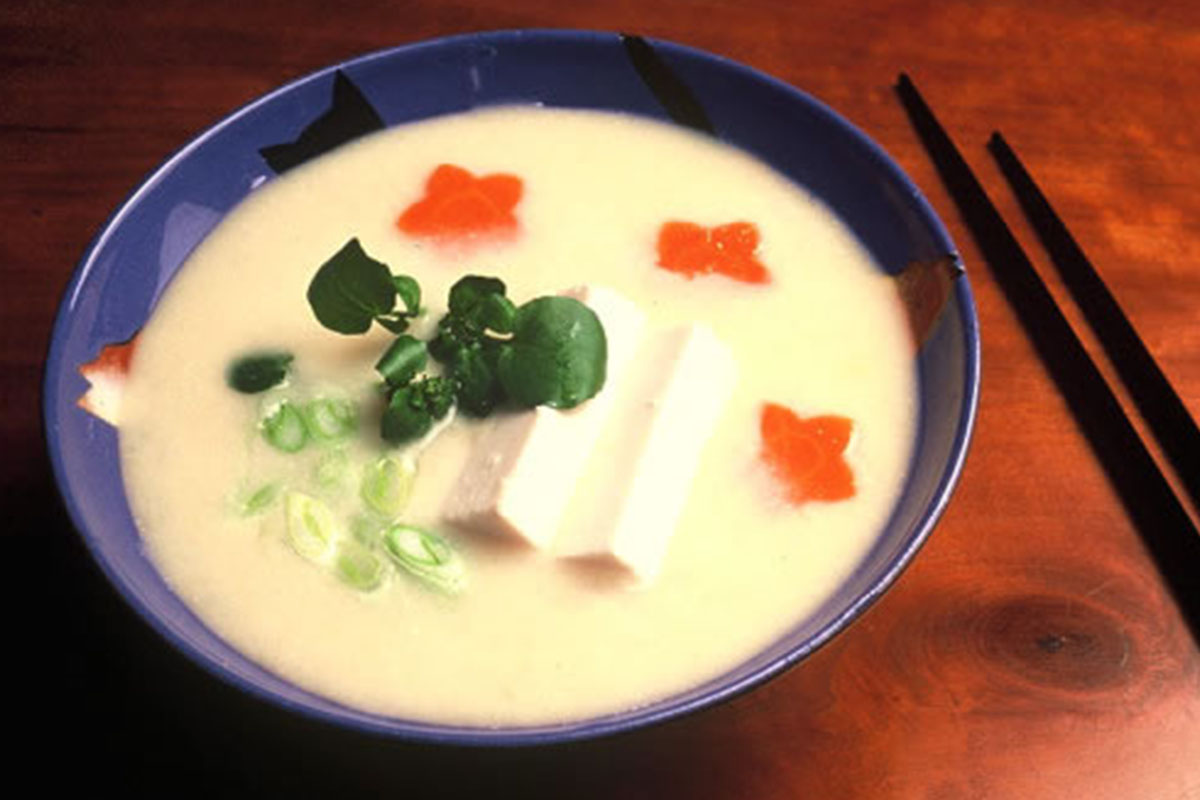
The key to fine miso cookery is not to overpower dishes with a strong miso taste, but to integrate the more subtle aspects of miso color and flavor in a gentle balance with other ingredients. For example, when making miso soup, the use of a kombu, shiitake, kombu-bonito, or vegetable stock helps achieve a full, rich flavor without using a lot miso.
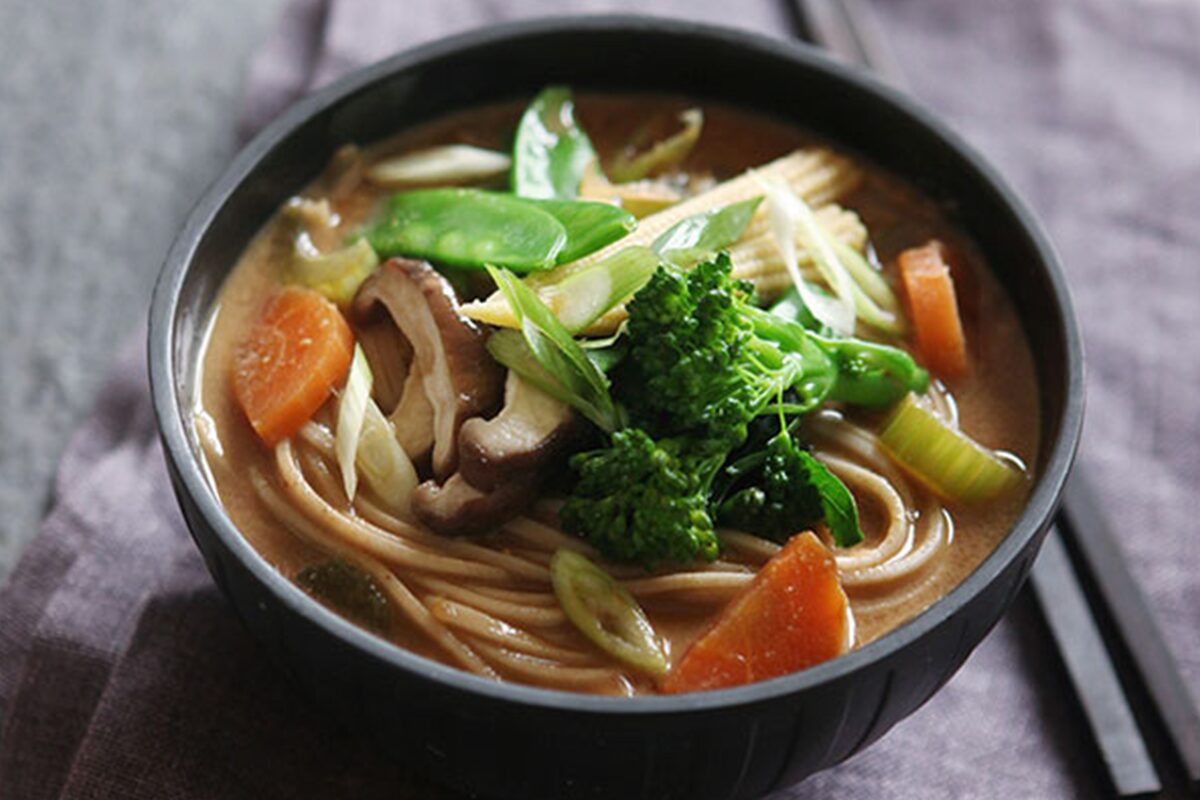
With respect to color, the earthy tones and hearty flavor of dark miso soup with chunky root vegetables and wakame or kale are pleasing during the colder months.
Dark varieties of miso combine nicely with beans, gravies, baked dishes, and vegetable stews and soups. For a simple and delicious fall or winter vegetable dish, try adding sweet chunky vegetables such as winter squash, carrots, or parsnips to sautéed onions, steaming them in 1/4 inch of water until just tender, then seasoning with dark, long-aged rice or barley miso thinned in a little water or stock just before the end of cooking. Try dark miso in thick soups using root vegetables such as burdock, carrots, and daikon. A lentil casserole seasoned with dark miso warms the body and supplies plenty of high quality protein. Although dark miso is not as versatile as light varieties, traditionally made, unpasteurized dark miso can be used to make nutritious, flavorful, and satisfying miso soups that you can enjoy every day in fall, winter, and spring without ever becoming tired of them. You can even make miso soup easily in a mug cup with the 1 tbsp unpasteurized miso and hot water.
Mixed with sweet, tangy, or pungent ingredients such as mirin, rice syrup, rice vinegar, or fresh ginger, dark miso can be used in refreshing sauces. Remember that dark miso is stronger in taste than sweet miso, so use it sparingly.
Miso is suitable for certain special uses. In general, miso is a good choice when you are looking for a salting agent, digestive aid, or tenderizer.
As a salting agent, miso supplies much more in terms of flavor and nutrition than plain salt, without salt’s harshness. When substituting miso for salt, add approximately two level teaspoons of dark, salty miso for one-quarter teaspoon salt.
The powerful enzymatic action of unpasteurized miso is a natural digestive aid and tenderizing agent. In the digestive system miso enzymes aid the body’s own resources in breaking down complex food molecules. Foods such as beans, tomato products, and raw tofu may cause digestive discomfort. Miso helps balance and digest these foods.
For the same reason that miso aids digestion, it is also a great natural tenderizer. When used in marinades its enzymes break down the complex molecules of vegetable fiber and animal protein into more readily digestible forms. At the same time its flavor penetrates the marinating foods.
For many people making the transition to natural foods, getting other family members on board can be a challenge, and for families with a commitment to healthy eating, cooking for guests who are not accustomed to this way of eating can be tricky. Miso helps bridge this gap. It brings a depth of savory flavor and a satisfying complexity to simple fare.