

Discover the unique taste of Mitoku’s Organic Ume-Su, a tangy pickled plum juice perfect for a range of dishes. Use it as a unique seasoning for dressings, to pickle vegetables, or create flavorful marinades. Its rich balance of salt and citric acid makes it an ideal substitute for vinegar or salt in your kitchen.
-
Packaging options
Available in 1000L IBC
-
Making
The producer is also situated in hillsides of Wakayama Prefecture. They are related to the “Birthplace of Nanko Ume”. Nanko Ume is a premium variety of plum native to Wakayama Prefecture. It is characterized by its large size, thick flesh, and soft skin, and when made into umeboshi, it has a melt-in-your-mouth softness.
Currently, approximately 80% of their farm is organically grown. Growing plums organically is a time-consuming and labor-intensive business. It takes years to prepare the soil, create homemade organic fertilizer, and fight weeds year-round. Through these efforts, they transform the soil into rich, healthy soil filled with living microorganisms. The plum trees on our farm are rich in nutrients, growing healthy and strong, and producing large, plump plums every year. Creating healthy soil maintains a favorable environment for their farm. They believe the foundation of umeboshi making is soil.After cultivation, the plums go through inspection and sorting. They are then washed and soaked in water to remove any bitterness. The soaking method varies greatly according to the particular characteristics of each plum. After soaking, the plums are pickled in large tanks. Once a layer of plums has been added, a glittering layer of sea salt is sprinkled on top. Alternating layers of salt and plums are added until the tank is full. The salt plays a vital role in preventing the growth of undesirable microorganisms.
As the salt penetrates the flesh of the plum, the inner liquid, known as ume-su, is drawn out. The lid of the tanks puts pressure on the tightly packed mixture inside, keeping the plums submerged in their own juices. The plums are kept in their tanks until July. Once the pickling process is complete, the plums are removed and placed outside to dry in the humid midsummer heat. During this stage, the plums are rotated to ensure that they dry evenly. Extra special care must be taken here to ensure that the delicate skins do not crack.
The final step is to soak the umeboshi in shiso perilla leaves to add flavor, aroma, and color. Umeboshi that has been steeped with shiso is known as “red umeboshi” due to its vivid scarlet color. Similarly, ume vinegar that has been steeped in this way is known as “red ume vinegar”. The zesty flavors of the shiso provide a perfect complement to the acidity of the umeboshi. This completes the umeboshi making process. -
How to use
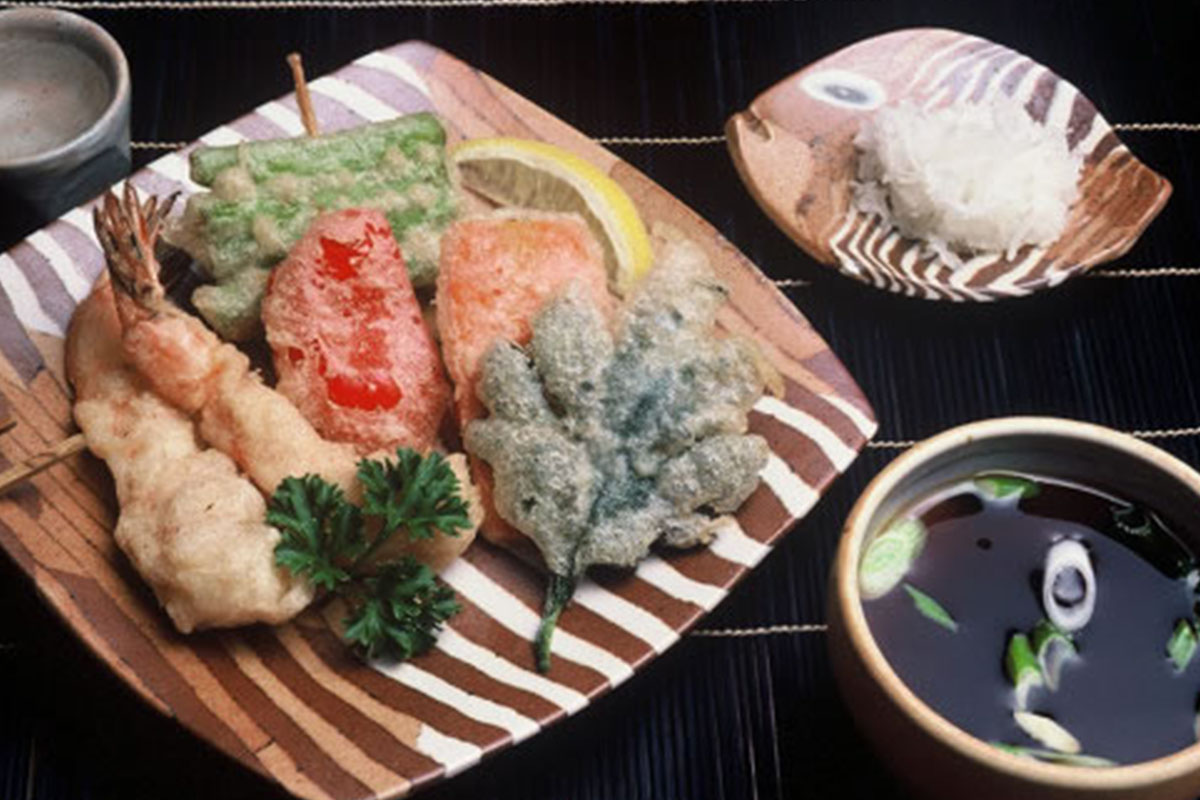
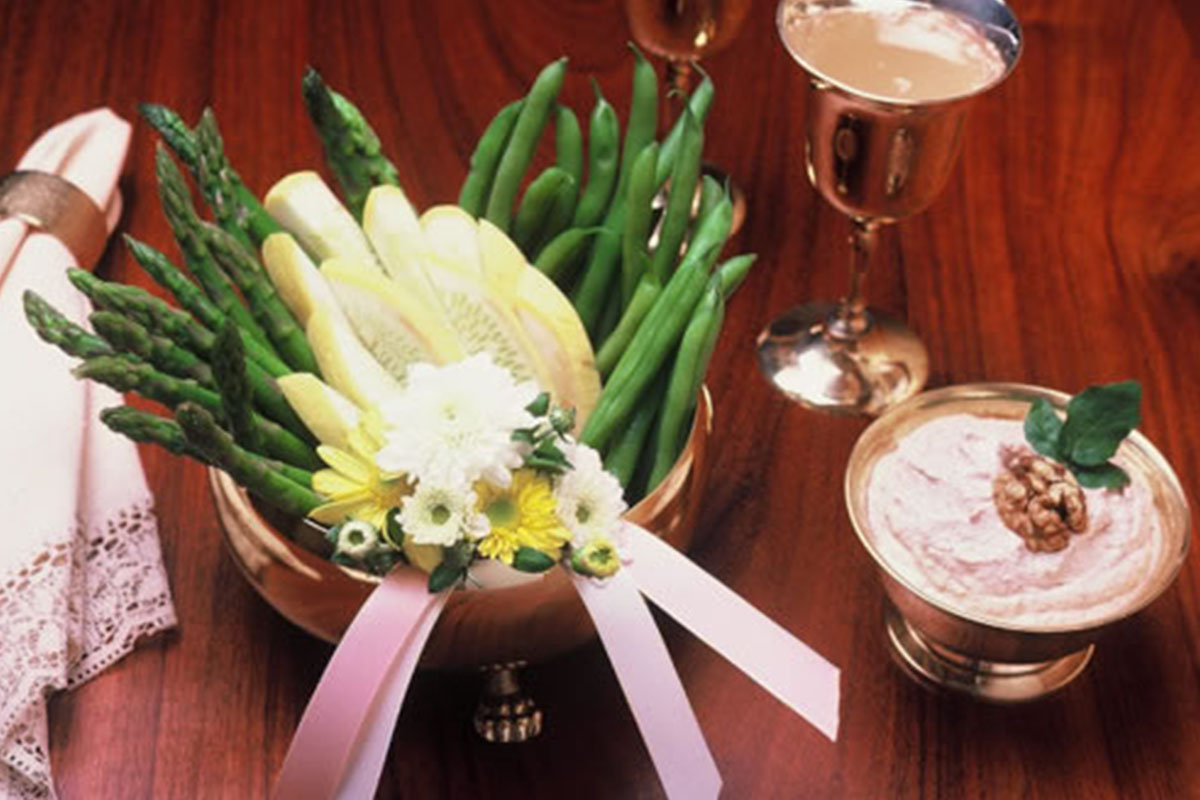
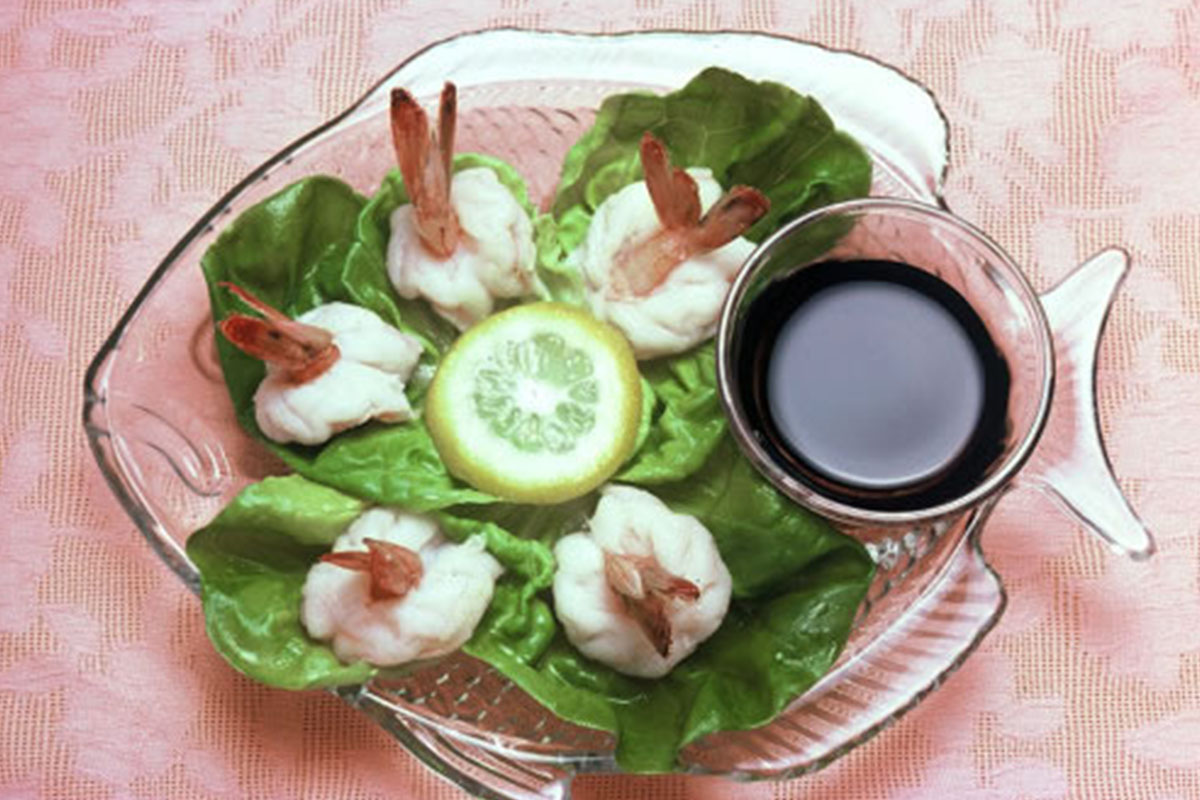
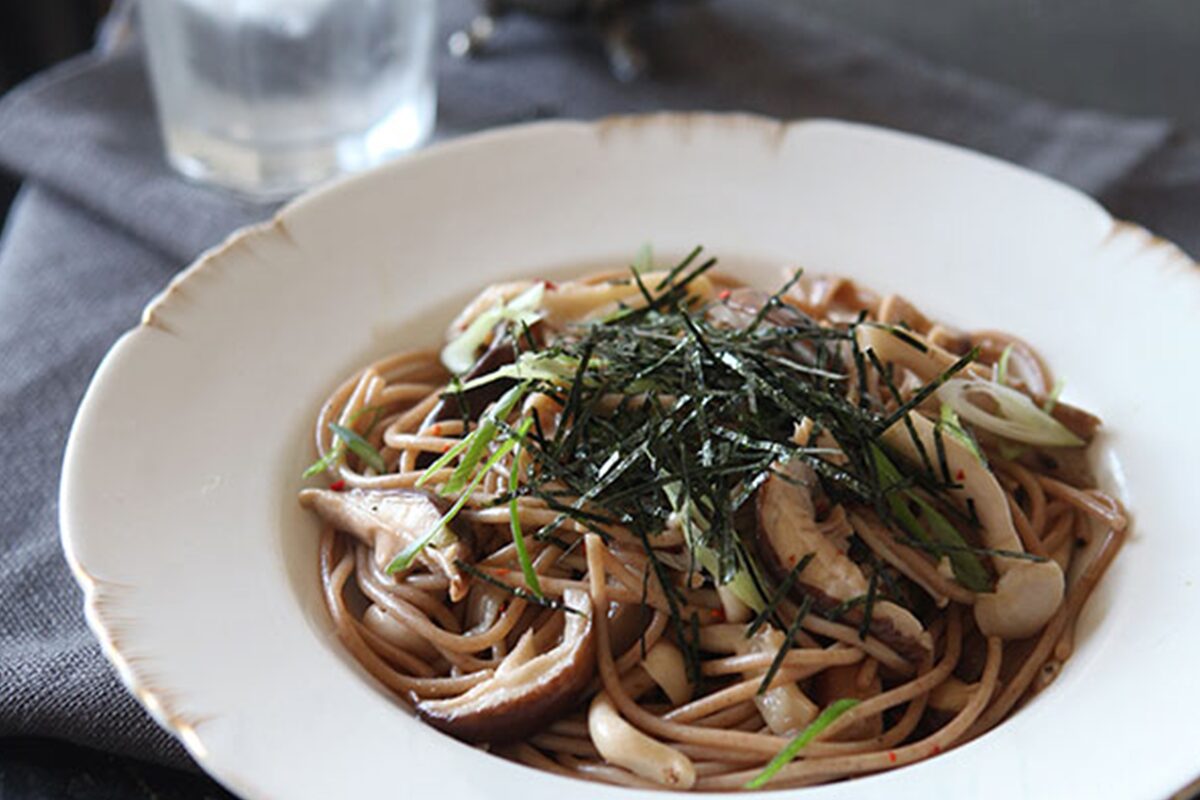
Ume-su vinegar contains nutrients associated with pickled plums, and it is easy and convenient to use. Both pleasantly tart and salty, umeboshi vinegar is a versatile seasoning that is especially refreshing on hot afternoons. Use umeboshi vinegar to liven up salad dressings, homemade quick pickles, and tofu spreads. It adds a pleasantly pungent flavor to cooked leafy greens (especially cabbage), cauliflower, broccoli, and green beans. Steam, boil, or sauté vegetables until tender but still vivid in color. Drain if necessary, place in a serving bowl, and toss with umeboshi vinegar to taste. When substituting umeboshi vinegar for other types of vinegar, substantially reduce the amount used, or eliminate the salt in the recipe. The following recipes will help you become familiar with umeboshi and umeboshi vinegar and will soon have you discovering new ways to use these delicious and healthful seasonings.