

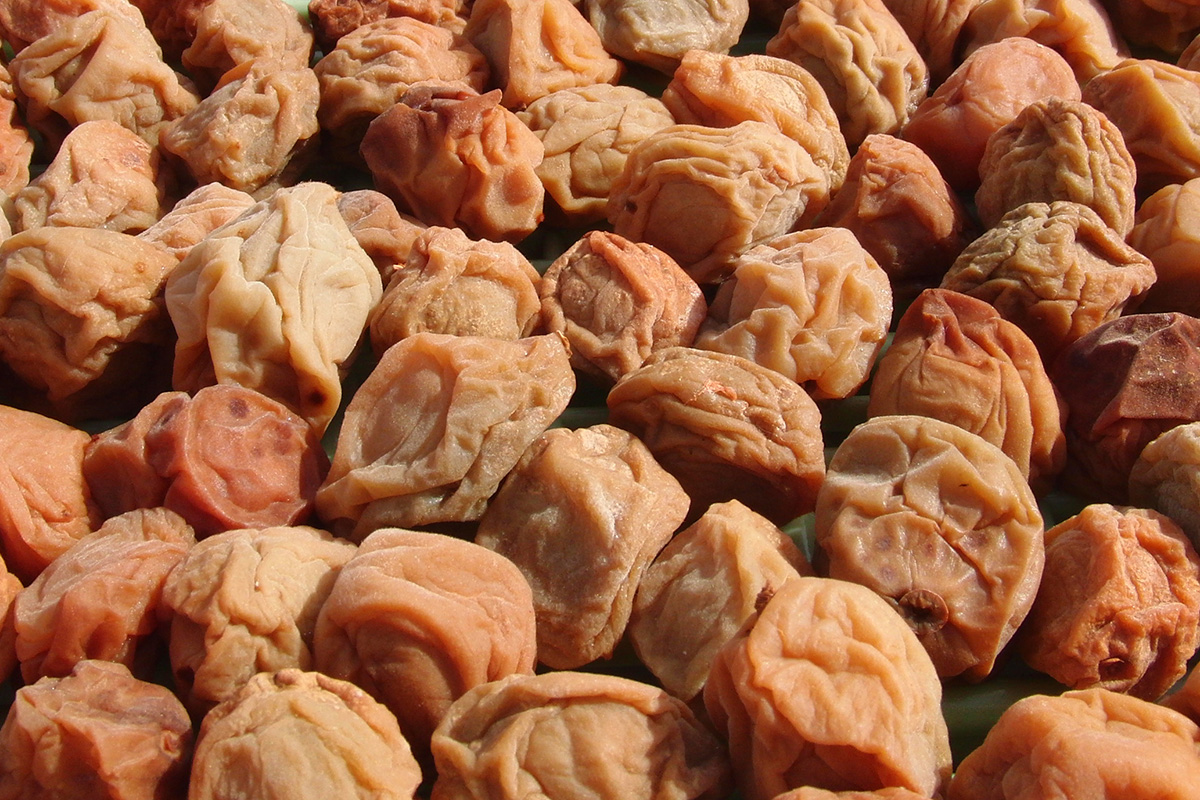
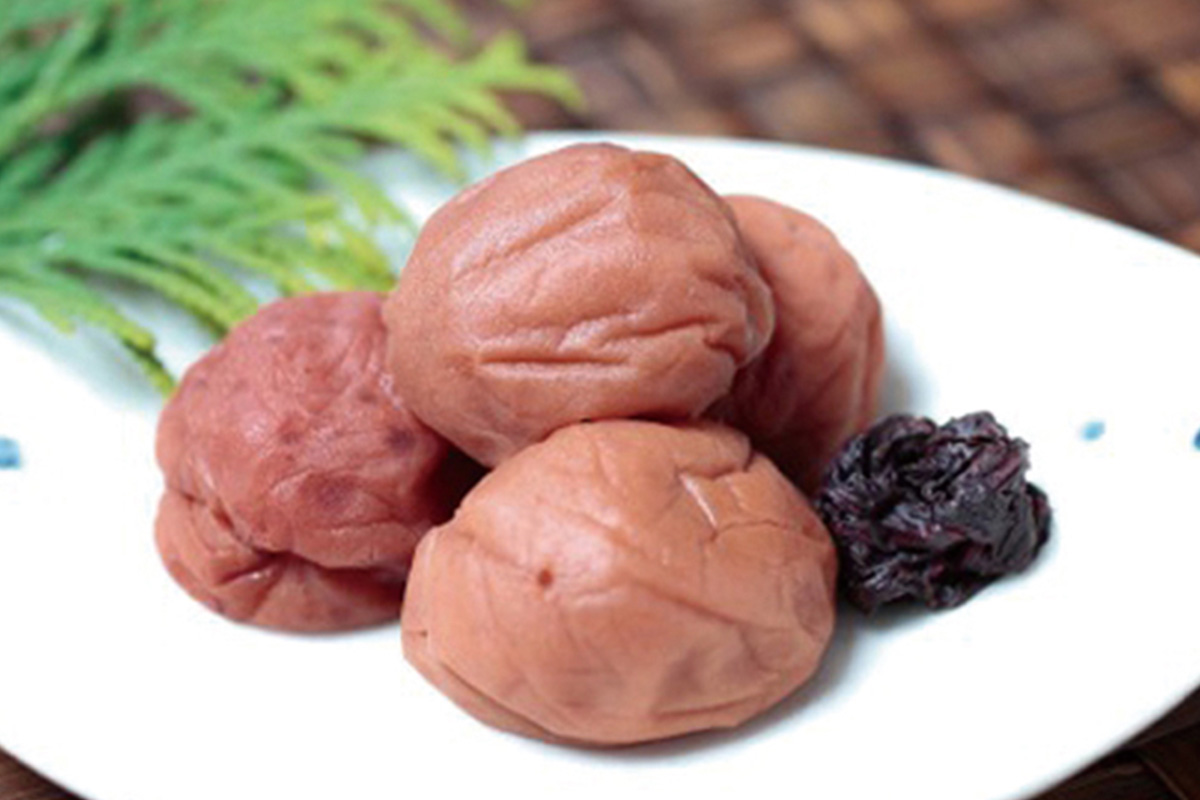
Made by producers who adhere strictly to traditional methods, this umeboshi are pickled using sea salt and left to dry naturally in the open air. In the final stages of production, the plums are infused with shiso leaf, which adds flavor and gives them their vibrant red color.
Upon biting into an umeboshi, you will immediately be struck by a powerful jolt of acidity. The flavor is simple, immediate, and free from any unpleasant additives.
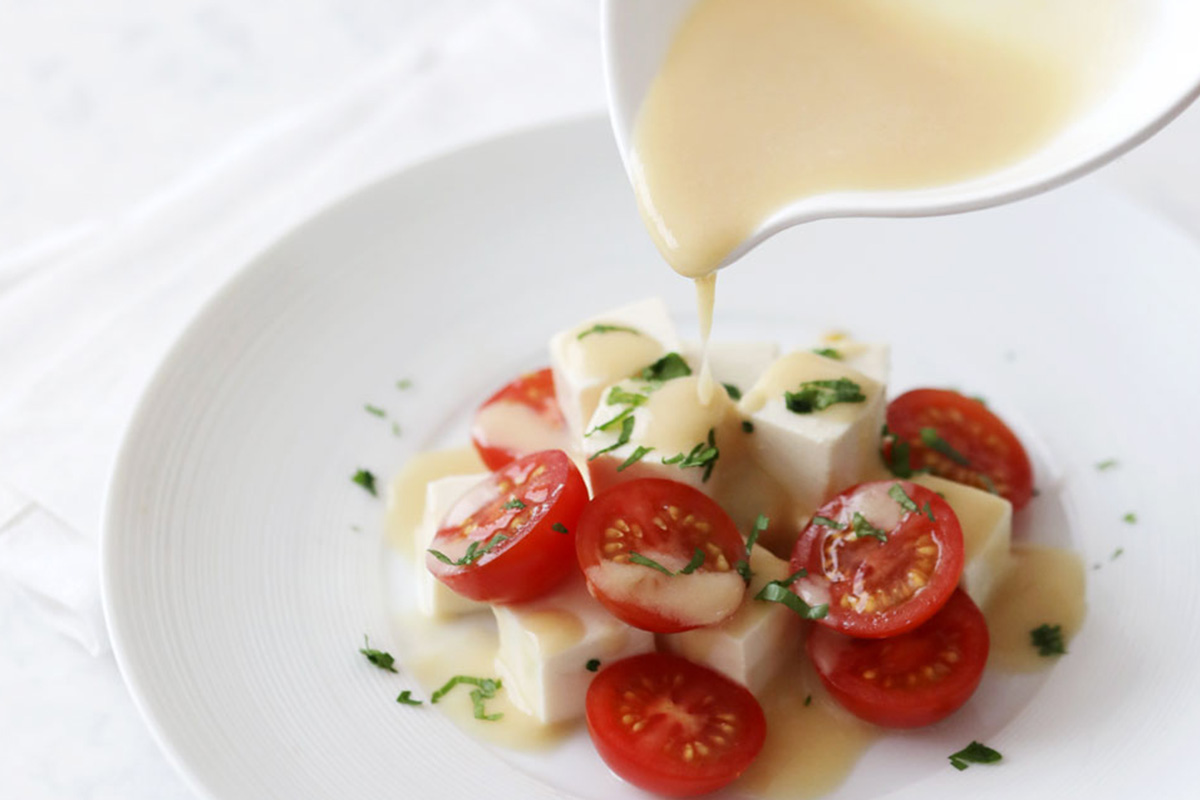
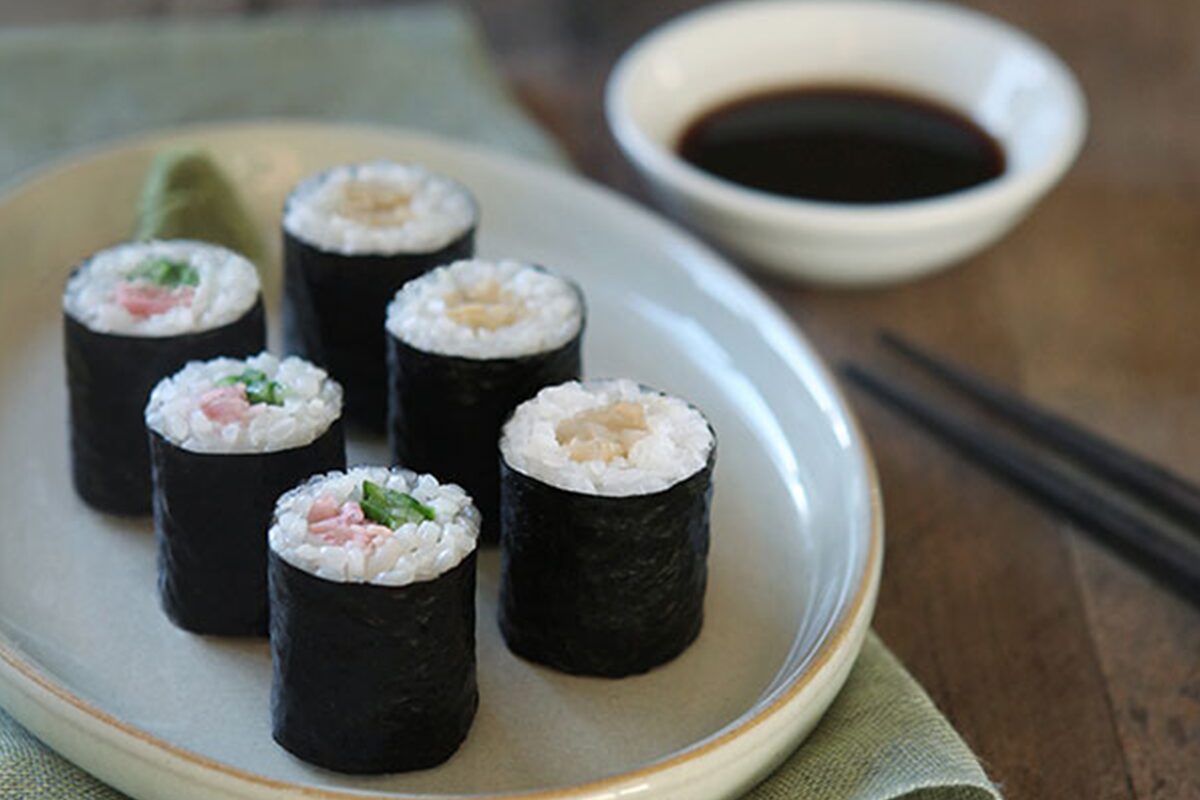
These pretty pink pickles are commonly served as a condiment with rice or tucked inside a rice ball wrapped with nori. Umeboshi can be used to flavor sauces and dressings, added to tea, or even enjoyed without accompaniment. Umeboshi also go well with cabbage family vegetables, such as kale, and in sautéed dishes.
-
Packaging options
Available in 150g pack, 1kg, 4kg containers
-
Making
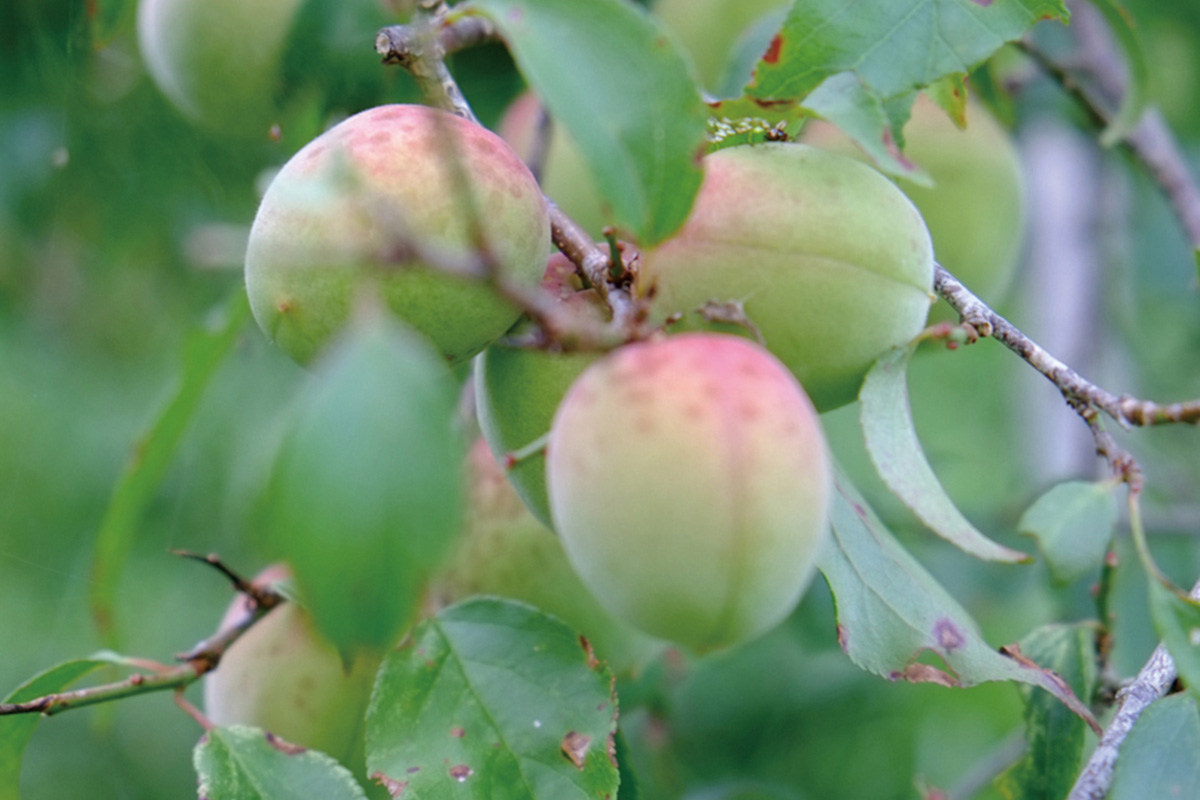
Wakayama Prefecture, referred to by some as Japan’s “fruit kingdom”, is located just south of Kyoto at the tip of the Kii peninsula on the main island of Honshu. The region’s mild climate, plentiful rain, and sheltered geographical conditions provide an ideal environment for fruit cultivation, and one of the most famous fruits grown in this fertile land is the Japanese plum or ume. Mitoku’s umeboshi are produced here, in the heart of Japan’s most famous pickled plum region.
The ume harvest takes place over just two months in June and July. This critical period will determine stock levels for the rest of the year. Here, as in the other stages of production, timing is of the essence. The plums must be gathered at just the right stage to maximize their potential. Too early, and the plum will be hard and unappetizing. Too late, and the overripe plum will be soft, mushy, and tasteless. This said, the timing of the harvest may vary depending on the producer. One of our suppliers, for instance, located in the village of Ryujin, Tanabe, picks their plums relatively early, in the first week of June when the plum is green and firm. These young plums have not yet ripened and are at their peak levels of acidity.
Because our plums are naturally cultivated, they are strongly affected by the weather and other factors, meaning that their flavor will vary from year to year. This also means that they will be irregular in shape and must be sorted after harvesting. Initial sorting is done mechanically by size, after which the plums must be inspected manually to check for signs of ripening or damage. The plums that pass this inspection will eventually become umeboshi, while the rest will be used to make other ume products. Once the plums have been sorted, they are washed and soaked in water to remove any bitterness. The soaking method varies greatly according to the particular characteristics of each plum. The producer must pay close attention to each fine detail and adapt accordingly to produce umeboshi of the highest quality.
After soaking, the plums are pickled in large tanks, which vary in size from three to five tons. Once a layer of plums has been added, a glittering layer of sea salt is sprinkled on top. Alternating layers of salt and plums are added until the tank is full. The salt plays a vital role in preventing the growth of undesirable microorganisms.
As the salt penetrates the flesh of the plum, the inner liquid, known as ume-su, is drawn out. The heavy lid of the tanks puts pressure on the tightly packed mixture inside, keeping the plums submerged in their own juices. The plums are kept in their tanks until July. Once the pickling process is complete, the plums are removed and placed outside to dry in the humid midsummer heat. During this stage, the plums are rotated to ensure that they dry evenly. Extra special care must be taken here to ensure that the delicate skins do not crack.
Once the plums have dried, they are stored indoors to mature. Freshly dried umeboshi is highly acidic, but the storage process allows the plums to mellow, producing a more well-rounded flavor. During production, the flavor of the umeboshi is not static, but dynamic and constantly changing. For this reason, the skill of the manufacturer in monitoring and adapting to these changes is of the upmost importance.
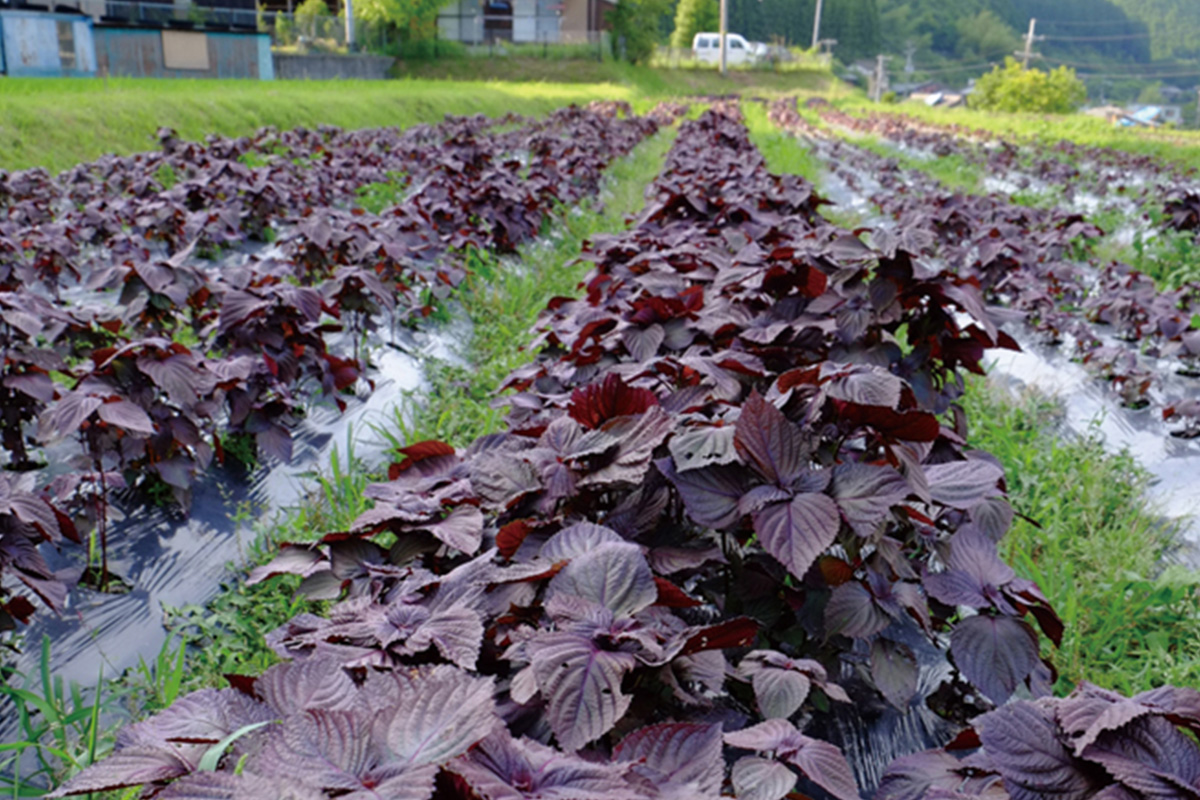
The final step is to soak the umeboshi in shiso perilla leaf to add flavor, aroma, and color. Umeboshi that has been steeped with shiso is known as “red umeboshi” due to its vivid scarlet color. Similarly, ume vinegar that has been steeped in this way is known as “red ume vinegar”. The zesty flavors of the shiso provide a perfect complement to the acidity of the umeboshi. This completes the umeboshi making process.
-
How to use
Umeboshi and umeboshi paste are lively and versatile seasonings that add a pleasant tartness to salad dressings, cooked vegetables, and sauces. Umeboshi is also commonly served in Japan as a condiment with rice, or tucked inside a rice ball wrapped with nori. In the summer, thick cucumber rounds spread thinly with umeboshi paste are a cooling treat. Sparingly spread on cooked sweet corn, it is a delicious, healthful alternative to butter and salt. Umeboshi also goes well with members of the cabbage family, including broccoli, kale, and cauliflower.
When using whole pickled plums, it is usually necessary to remove the pit and mince the flesh before adding it to recipes. As a more convenient option, Mitoku Umeboshi Paste can be substituted for umeboshi in virtually any recipe.
The shiso leaves that are often packaged with umeboshi are also delicious when chopped and used as a seasoning inside nori rolls or when tossed in with steamed or sautéed vegetables.