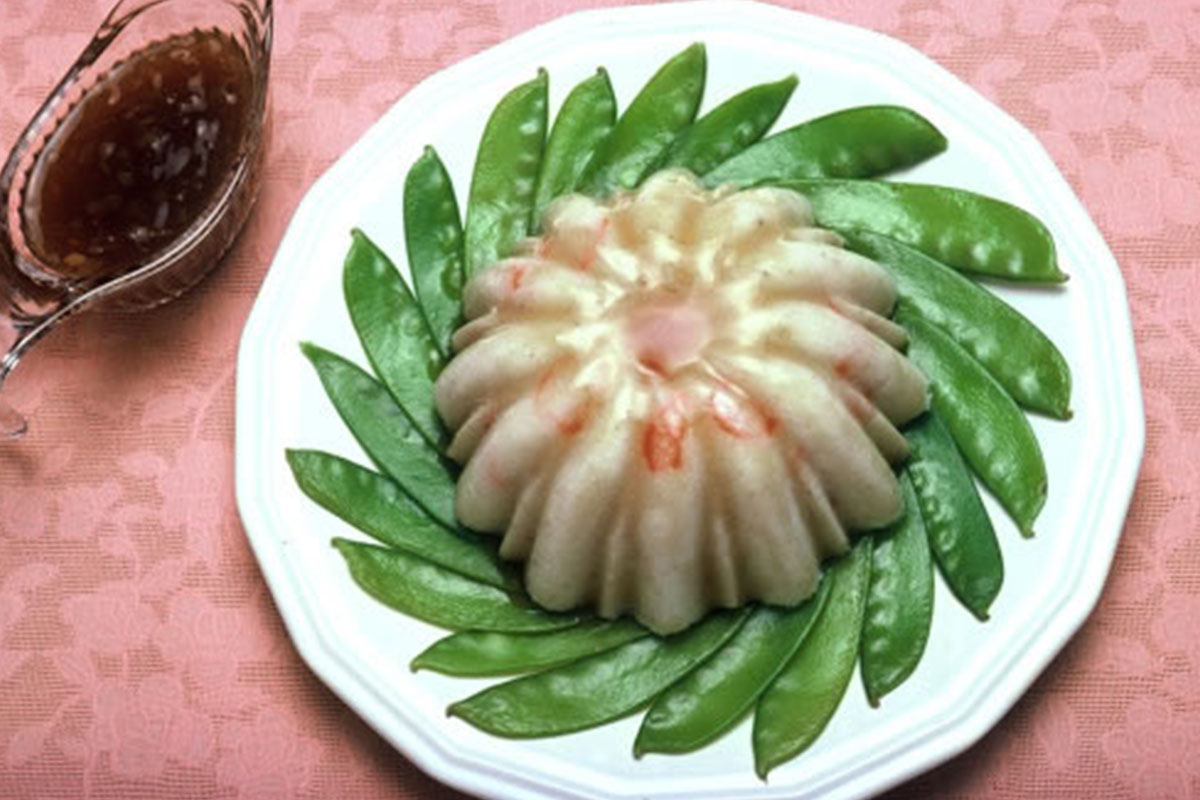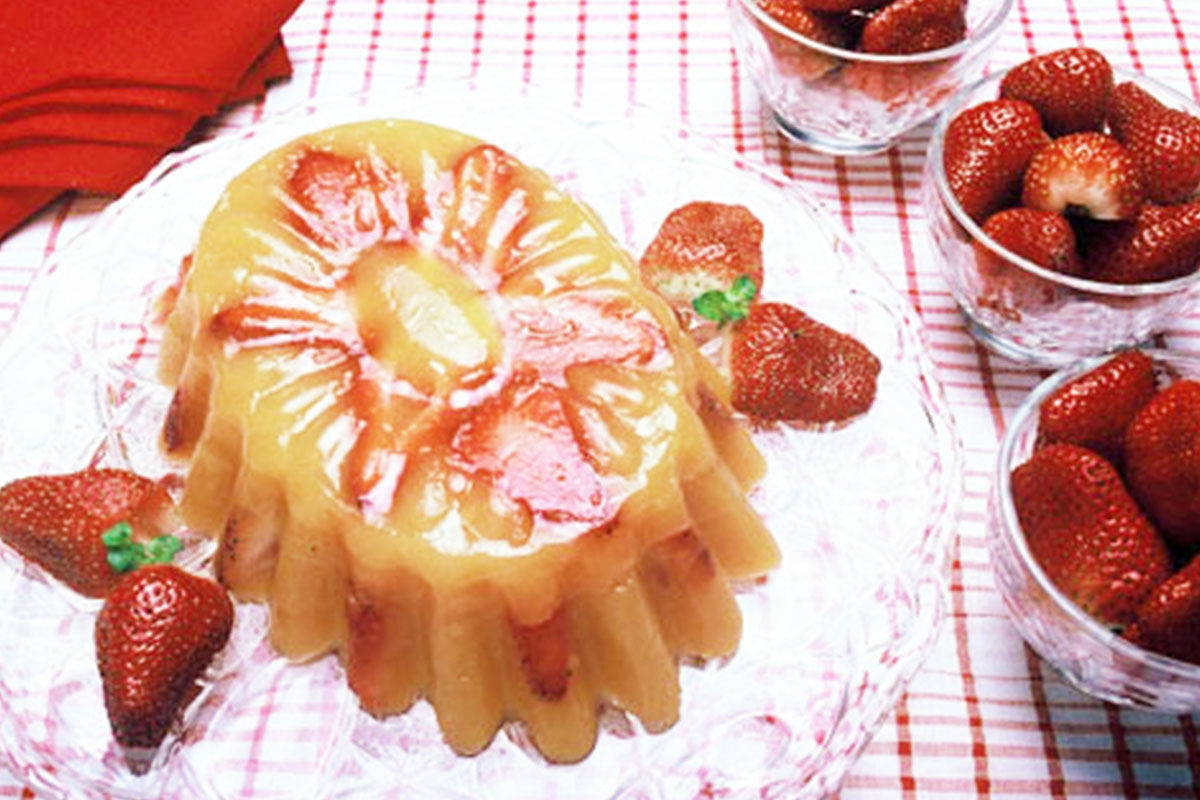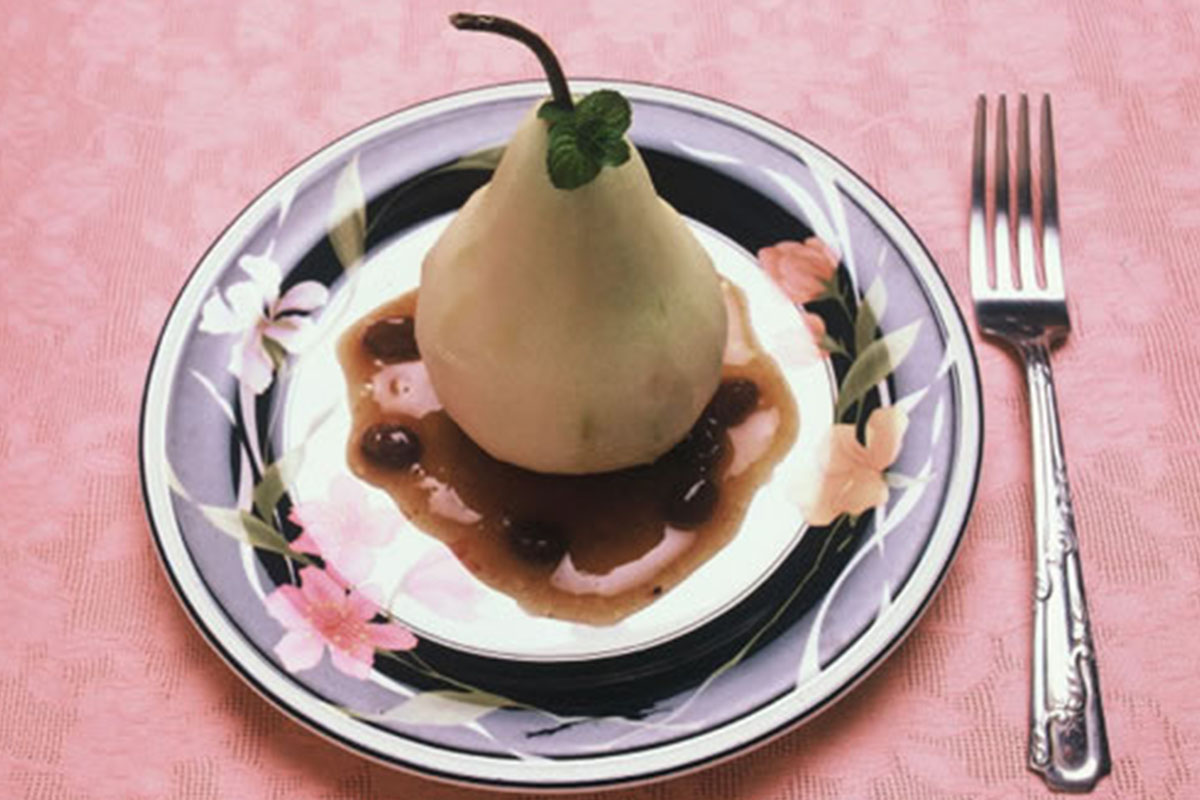


Mitoku supplies traditional organic kuzu in partnership with Hirohachido, a family-run kuzu manufacturer, founded in 1875, and currently headed by its 6th generation president. Inheriting the passion and sense of purpose of each preceding generation, the company’s dedication to quality has never wavered throughout their 145-year history.
The kuzu is comprised of the smallest particles of starch, which have excellent water-retaining and emulsifying capacities. Among different types of starch, such as corn, potato, and sweet potato, our organic kuzu has a delicate flavor and smooth texture. It is considered the world’s highest quality culinary starch for its ability to bring out the umami of food ingredients.
-
Packaging options
Available in 100g bag, 5kg carton
-
Making
Mitoku’s traditional kuzu suppliers, Hirohachido, is the largest producer of kuzu root powder in Japan. This family-run business, founded in 1875, is currently headed by its 6th generation president, Mr. Yoshiyuki Taguchi. The company’s original store was located in Akizuki, Fukuoka, an area blessed with clear water and an ideal climate for kuzu production. In 1953, Hirohachido built a new factory overlooking Kagoshima Bay in southern Kyushu, successfully implementing innovative new systems to increase their production capacity while preserving quality. A small group of workers still remain in Akizuki, however, making traditional kuzu using the old labor-intensive methods.
The complex process of kuzu production is the culmination of techniques passed down through the ages, the skill and intuition of highly experienced artisans, and the characteristics of the local terroir. In the words of President Taguchi, “We have inherited the passion and sense of purpose of our forebears. It is our duty to ensure that these traditions are not lost.” Throughout the company’s 140-year history, their dedication to quality has never wavered.
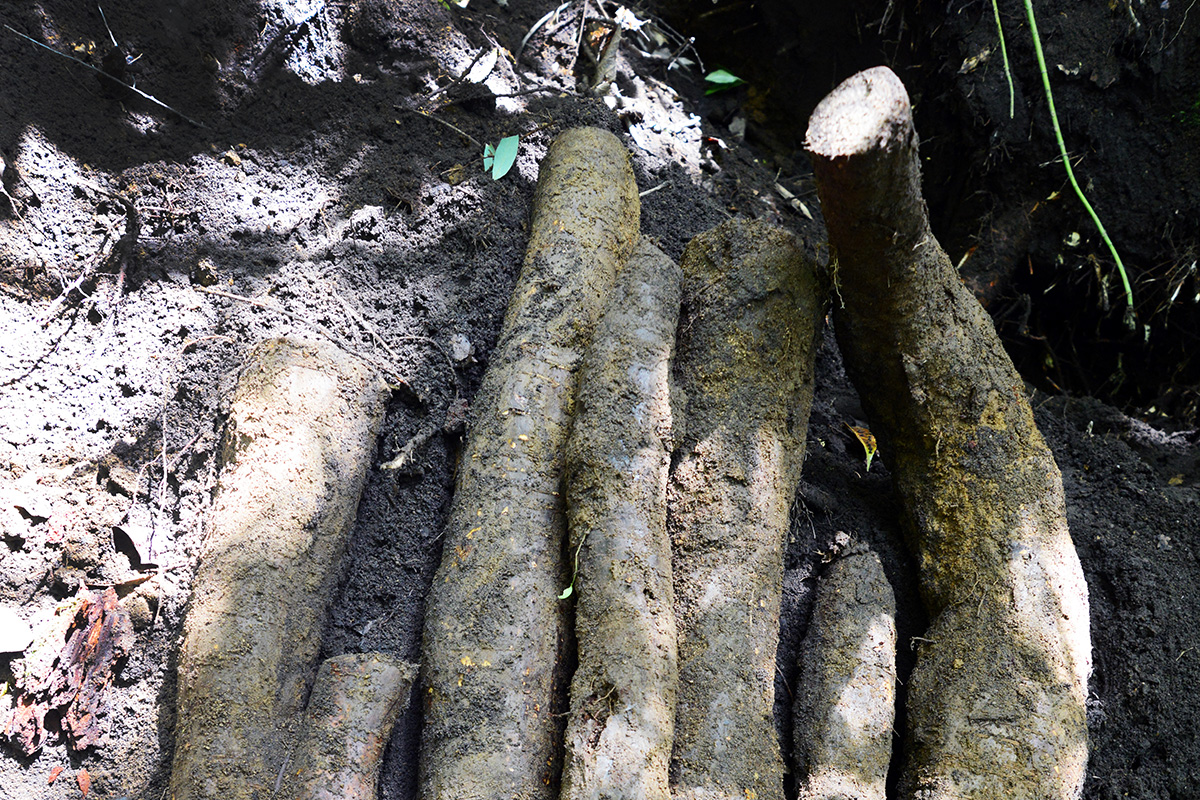
From summer to early autumn, the vibrant magenta flowers of the kuzu plant can be found in bloom throughout the mountains of southern Kyushu. The creeping vines of this energetic plant can grow to over 10m in length, while the bulbous, tuber-like roots expand outwards to lengths of 4-5m underground. The use of kuzu root as a food or medicine is referenced in some of the very earliest Japanese historical texts, and the plant has also been traditionally used for such varied purposes as animal feed, fabric material, and decoration. From this, it is clear that kuzu has played an important role in the lives of Japanese people since antiquity.
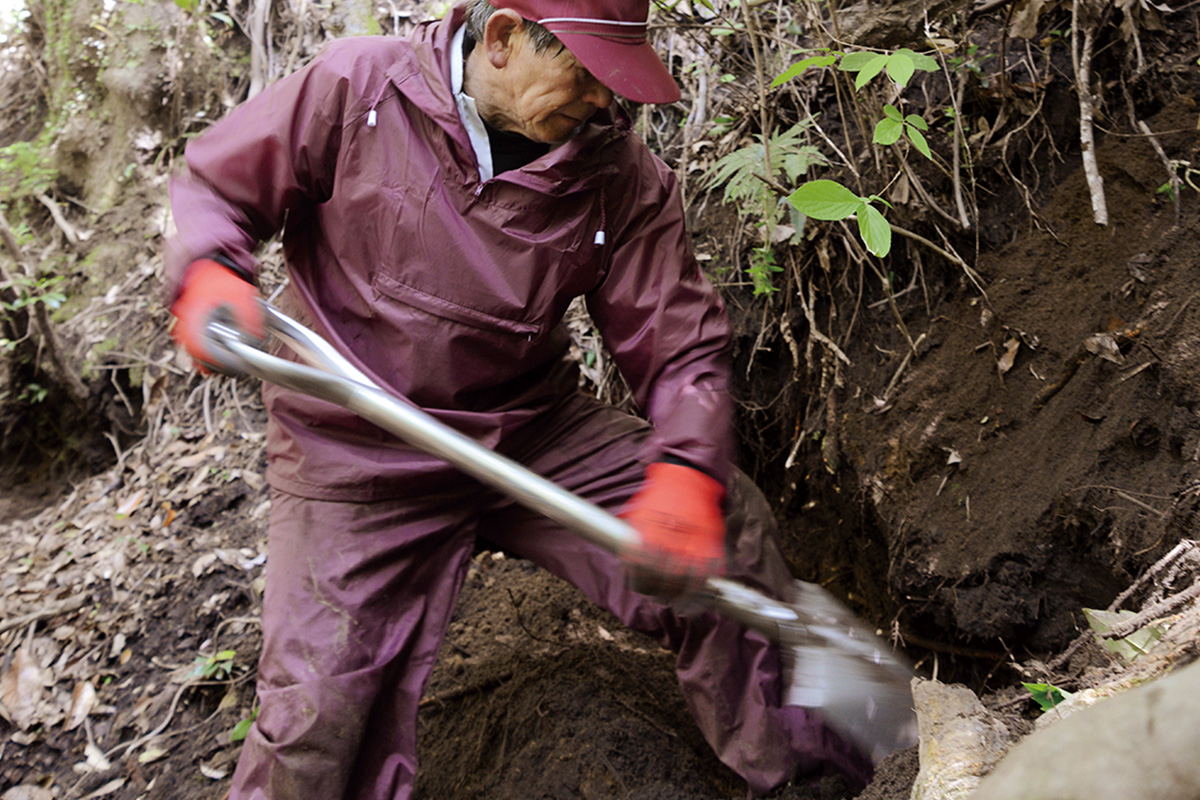
Kuzu grows fastest in summer, during which time professional kuzu diggers, known as horiko, ascend the mountains to place indicators on the wild plants. Between the months of December and March, the growth of the plant slows as the amount of starch in its roots increases. This is when the horiko return to dig up the roots, but because the leaves have completely fallen from their vines, they can only be located by experienced diggers using the marks made earlier in the year.
Because of their size, the kuzu roots are dug up in one-meter segments, which are carried back down the mountain. Excavation is done manually with shovels. This is hard work that requires physical strength, expertise, and an intimate knowledge of the local mountains. The horiko climb and descend the mountain time and again until their work is done. A veteran digger can single-handedly excavate 120kg-160kg of root per day, only 10% of which is composed of extractable starch. The following year, the diggers will not return to the same spot, but will instead go a to a different mountain to give the roots sufficient time to regrow. Hirohachido works together with about 200 horiko, ensuring a stable supply of high-quality kuzu root each year.
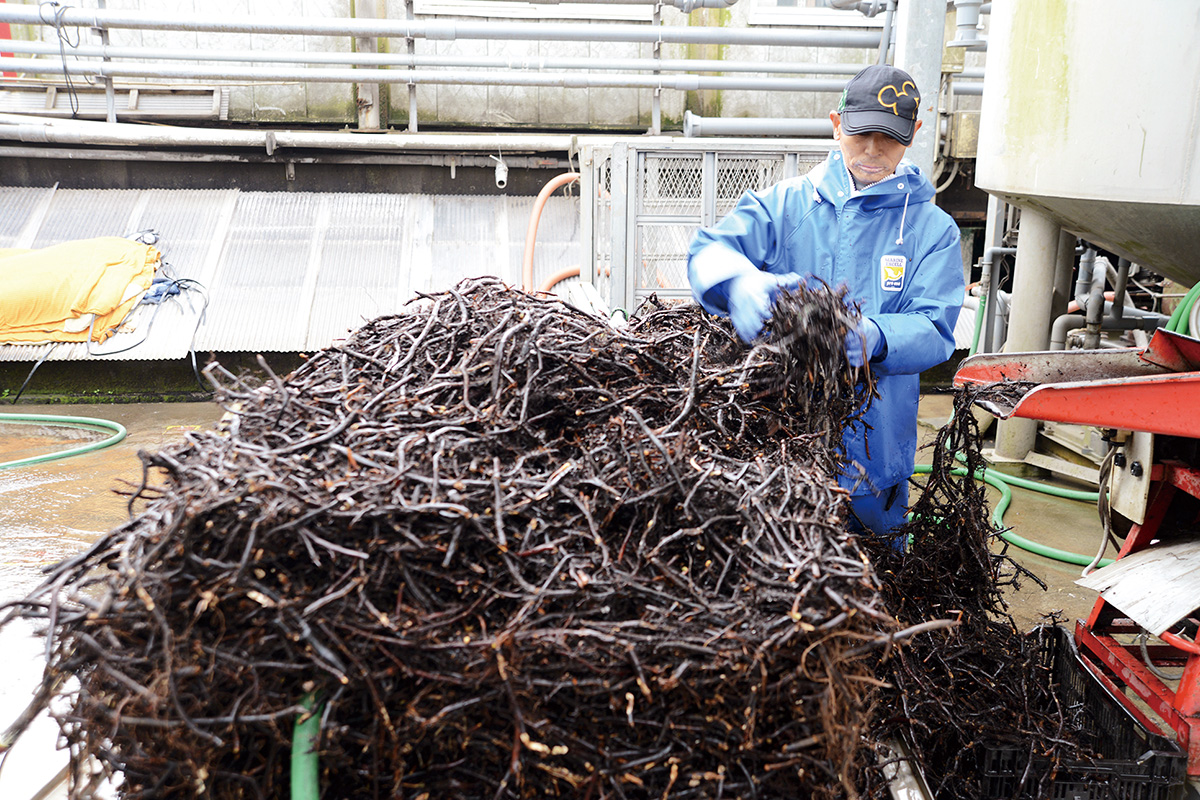
After excavation, the roots are then taken to the factory, where the extraction process begins. First the root is cleaned, then cut and crushed. The crushed root is then stirred in cold water to extract the white starch and filtered to remove the plant fiber, resulting in a milky white solution containing the dissolved kuzu starch. This laborious process was once done entirely by hand, but now the traditional process is replicated using more up-to-date methods. The solution is then concentrated and left to ferment for 3-4 days.
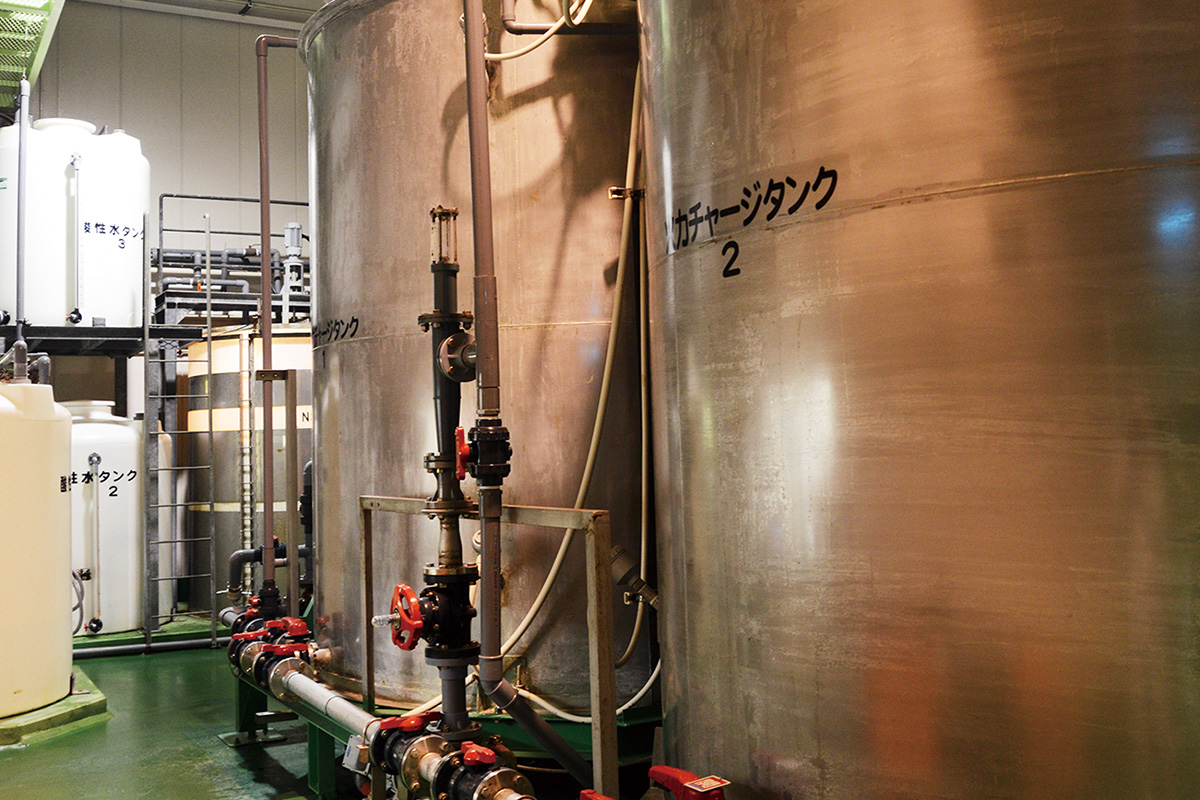
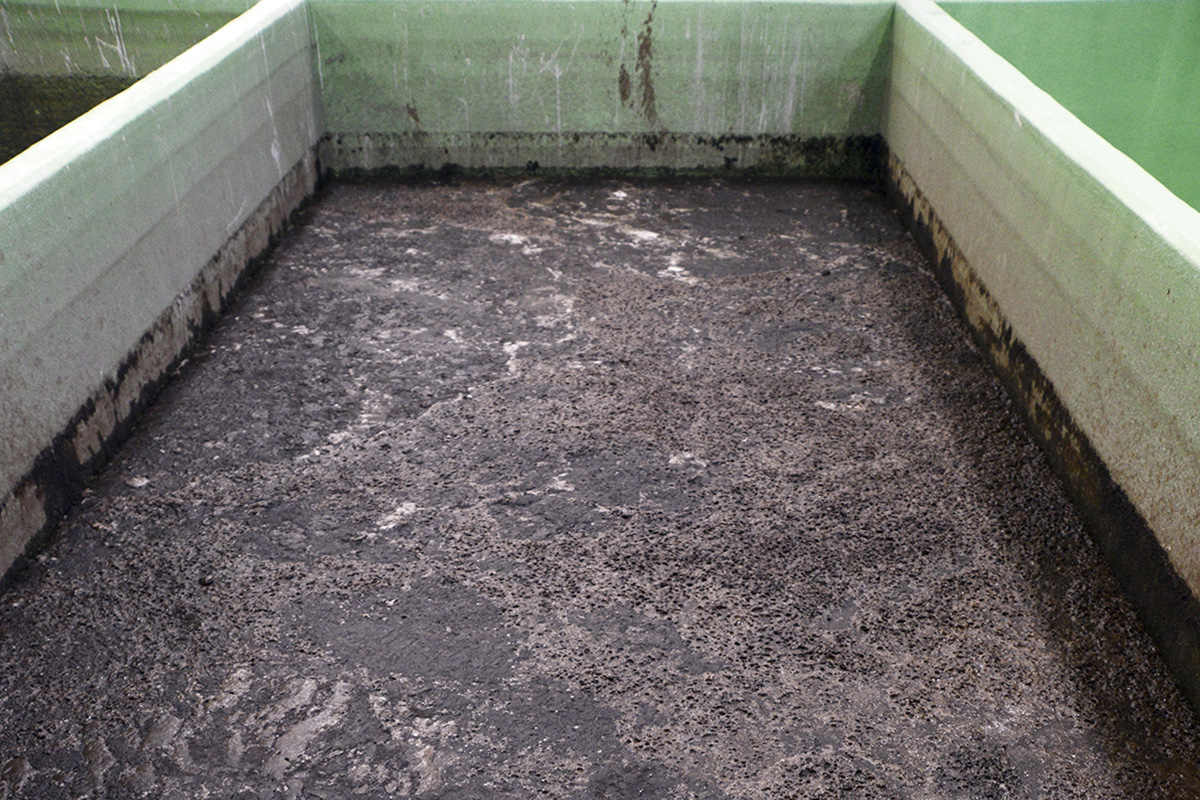
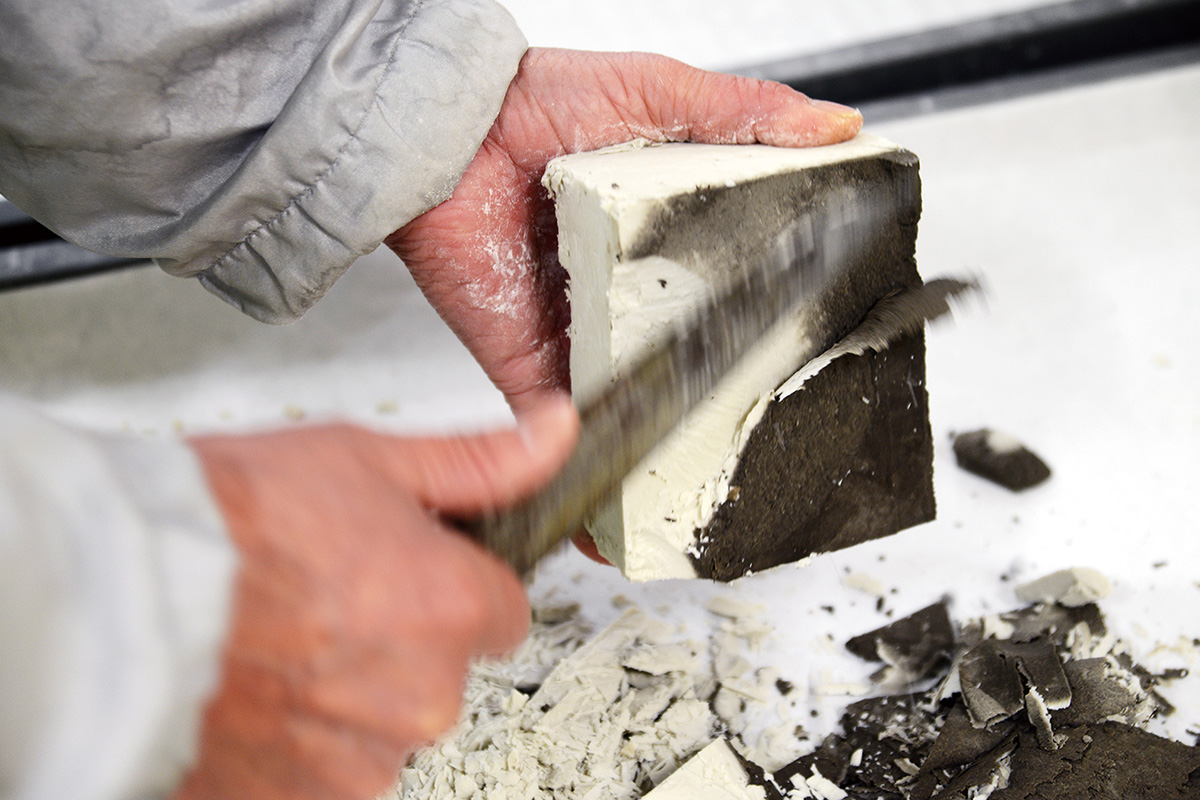
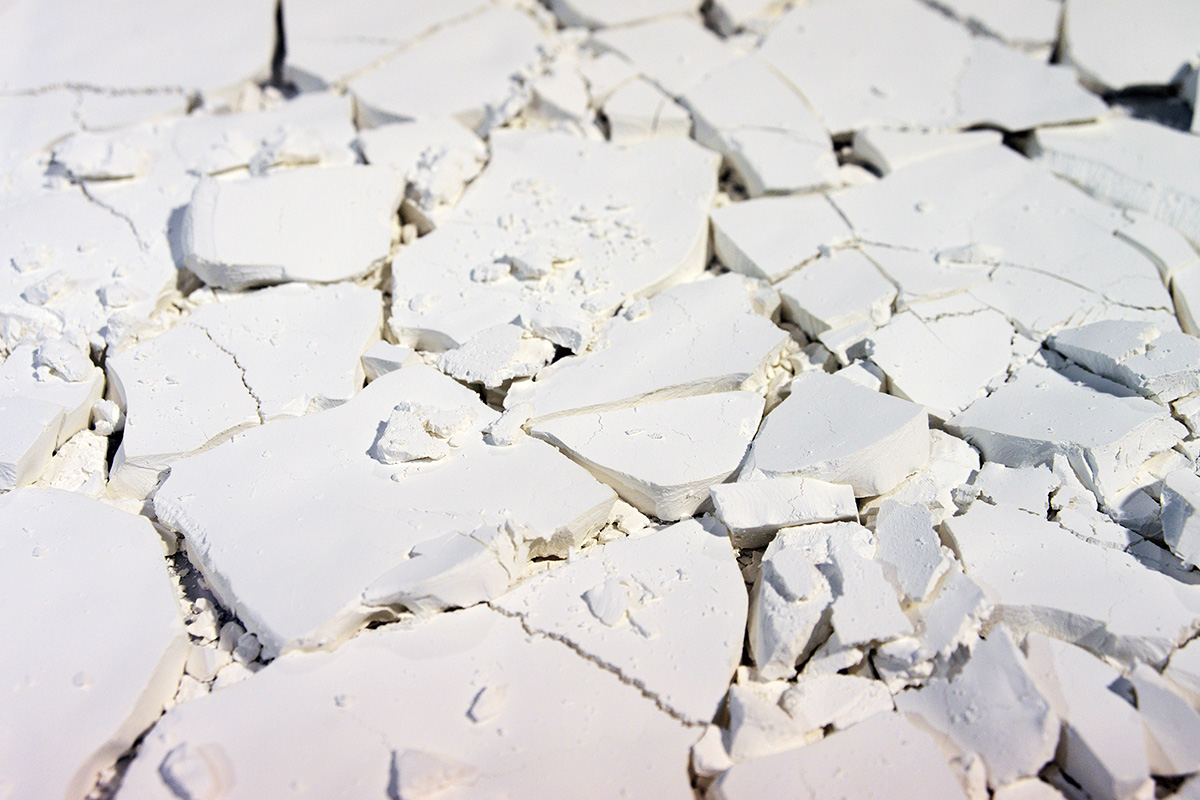
The next step is conducted at a separate facility. Here, the solution is strained through a sand filter, then moved to a refining tank where it is left to settle until a pure white clay-like starch has formed. The starch is then washed, dehydrated with a filter, and set in trays to dry under a cool breeze. This drying process is crucially important and cannot be accelerated by artificial heating, as this will cause the texture and quality of the kuzu to deteriorate. Special care must also be taken to control temperature and humidity levels. When the final checks have been completed, the kuzu is now ready for shipping.
-
How to use
Kuzu has long been appreciated as a Japanese traditional delicate sweets (wagashi ) ingredient for its characteristics. It is also used as an ingredient in various savory dishes, including sesame tofu, utilizing the form-retaining capacity of the heated kuzu solution, and a gelatinous savory sauce, which accentuates the natural flavors of ingredients. The gelatinous kuzu solution keeps its smoothness even when it cools down. It is also suitable for making Western-style sweet and savory dishes instead of corn and potato starches.
Crush kuzu and dissolve in an equal amount of cold water (or other cold liquid). Add the other ingredients while stirring briskly. Stir constantly until kuzu thickens and become translucent then gently simmer for 1-2 minutes. One tbsp of kuzu will thicken one cup of liquid.
It also has been believed since ancient times to have “warming properties,” and the Japanese are familiar with a drink called Kuzu-yu made of Kuzu flour dissolved in hot water.